Author:

Yet Again, Moms and Babies Left Behind in the Trump Budget

For the 3rd consecutive year, the Trump Administration has again refused to prioritize the health and well-being of mothers and babies in its annual budget proposal, calling for devastating cuts to global and domestic programs that would jeopardize critical supports for families here and around the world. From drastic changes to SNAP—a program that helps …

Big step in the development of the next Dietary Guidelines for Americans

Remember the Food Pyramid? Or, maybe more recently you’ve seen your child learning about MyPlate? The federal government has been providing dietary guidance to Americans every five years since 1980, and the Food Pyramid and MyPlate are just two ways they’ve displayed those guidelines over time. Unfortunately, no current or past version of the Dietary …

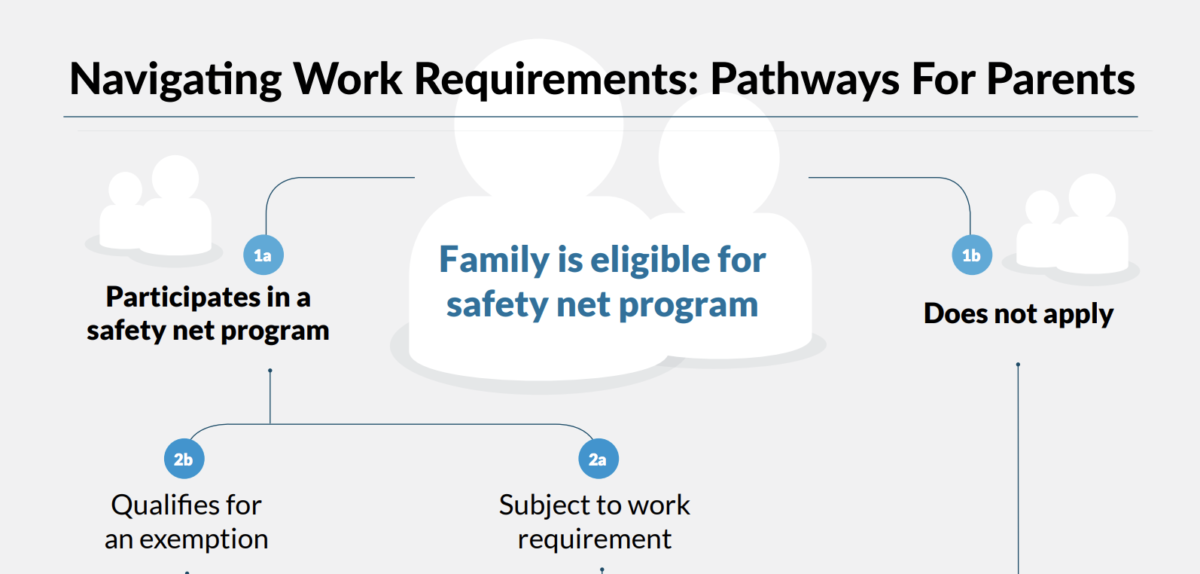
New from the Urban Institute: Challenges Face Parents in Navigating Work Requirements

Programs like Medicaid and SNAP provide important supports for young children and their families. Medicaid is a vital source of health insurance for families of young children, covering most young children (from birth to age 5) with incomes near the federal poverty level. Just as importantly, Medicaid covers millions of parents; and research consistently shows …

Statement on the Reintroduction of the FAMILY Act

This afternoon, Representative DeLauro and Senator Gillibrand, along with nearly 200 of their Congressional colleagues, reintroduced the FAMILY Act – legislation that would provide comprehensive paid family and medical leave to all workers in the U.S. While just the first step, we applaud these policymakers for standing up for the health and economic security of America’s families.

Paid family leave is urgently needed in the United States, where far too often parents are forced to choose between taking unpaid leave to care for their infant or going back to work to maintain the income they need to support their family. Today, 1 in every 4 moms returns to work within just 2 weeks of giving birth, putting her health and that of her baby at risk.

There is a strong and growing body of evidence showing that paid leave contributes to healthier outcomes for women, children and their families. Yet the United States remains one of just two countries in the world without a national paid leave policy. Ultimately, young children and their families are paying the price for our country’s lack of action on paid leave.

The time is now for paid leave in America. We are encouraged to see the FAMILY Act introduced today, and we call on Congress to work swiftly to pass a comprehensive national paid family and medical leave policy.

Healthy People 2030: Setting Priorities for the Next Decade of Public Health in America

There is an old cliché that says that what gets measured, gets done. This is part of the strategy behind the federal Healthy People initiative, which provides 10-year national objectives for improving public health and the health of all Americans.

The Department of Health and Human Services has begun the process of updating the Healthy People objectives for 2030 and sought feedback on the proposed objectives. Earlier this month, 1,000 Days commented on a wide range of the proposed objectives, including those related to breastfeeding, nutrition, maternal and child health, and health care.

We strongly supported the inclusion of measures that would further the health and well-being of women and infants—and their families and communities. For example, we expressed our support for proposed objectives seeking to reduce fetal, infant, and maternal deaths, as well as for an objective seeking to increase the proportion of people with medical insurance.

Unfortunately, several critical measures that had been included in Healthy People 2020 were eliminated from the proposed list of 2030 objectives in order to “streamline” Healthy People 2030. For example, the proposal for Healthy People 2030 included just 1 breastfeeding-related objective, while Healthy People 2020 had included 8 objectives and sub-objectives related to breastfeeding. 1,000 Days strongly advocated for these and other objectives to be retained in Healthy People 2030.

1,000 Days also proposed the creation of new dietary objectives for pregnant women, infants, and toddlers. The Healthy People 2030 launch will take place close to the launch of the 2020-2025 edition of the Dietary Guidelines for Americans, which for the first time ever, will include guidance for infants and toddlers (from birth to age 24 months) and women who are pregnant. New, diet-related objectives for these populations should align with the forthcoming guidance.

To learn more about Healthy People 2030 or to follow the development process, visit HealthyPeople.gov. It is important for Healthy People 2030 to include as many measures as possible that result in a strong and healthy first 1,000 days.

1,000 Days & Partners Submit Joint Statements to WHO Executive Board

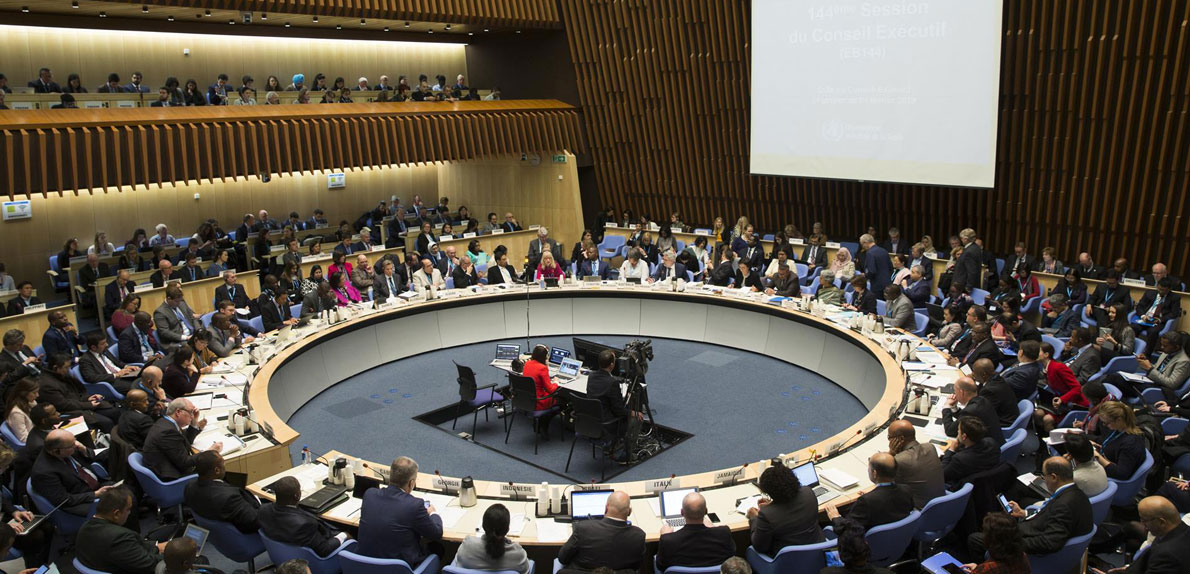
The 144th session of the World Health Organization’s (WHO) Executive Board takes place this week (24 January – 1 February 2019) in Geneva, Switzerland. The Executive Board provides direction and input on the World Health Organization’s priorities related to a broad range of health concerns.

At this week’s meeting, the Executive Board is set to review the strategic priority of universal health coverage (UHC) including primary health care (PHC), community health workers delivering primary health care, and preparations for the UN High-Level Meeting on UHC in September during the UN General Assembly. The Executive Board will also note the Outcome of the Second International Conference on Nutrition.

1,000 Days joined a group of international civil society organizations and the International Coalition for Advocacy on Nutrition (ICAN) in support of two statements to the World Health Organization. The first statement calls for WHO and its Member States to prioritize nutrition as a key component of UHC, especially in the lead-up to the UN High-Level Meeting later this year. The second, acknowledges and supports the outcome of the Second International Conference on Nutrition.

To view all of the statements that were submitted by 1,000 Days and our partners, click below:

1,000 Days leads 22 organizations in urging Congress and President Trump to end the shutdown

As the partial government shutdown drags on, our country’s leaders still have not reached an agreement to reopen the government. This puts American families at risk of losing the critical nutrition assistance they need to thrive.

Tens of millions of Americans rely on programs like the Supplemental Nutrition Assistance Program (SNAP), the Special Supplemental Nutrition Program for Women, Infants, and Children (WIC), the National School Lunch Program, and others. The lapse in funding endangers the nutrition and food security of both children and adults, ultimately threatening their longer-term health and well-being.

While the U.S. Department of Agriculture (USDA) announced late Tuesday that they are working to provide continued funding for the major nutrition assistance programs through at least February, reopening the government is the only way to guarantee that American families receive the nutrition assistance they need going forward!

Today, we are leading 22 organizations in sending a letter to President Trump and our Congressional leaders urging them to end the partial government shutdown and put the nutrition of America’s children and families first. Read the letter here.

It’s Time to End the Government Shutdown

For nearly a week the U.S. government has been operating on a partial shutdown due to a breakdown in negotiations between President Trump and Congress. Unfortunately, political grandstanding has become all too common in Washington, DC at the expense of smart policy and effective governing. This is no way to run the country.

Currently, several federal services are impacted by this shutdown, including the departments of Agriculture, Commerce, Homeland Security, Housing and Urban Development, Interior, Justice, State and Transportation, and agencies like the Food and Drug Administration. The result is many government services are halted or reduced and hundreds of thousands of federal workers are furloughed or working without pay just as many families are gathering to celebrate the holidays and ring in the New Year.

Women and young children in the United States and around the world depend on the nutrition, health care, housing and other critical services funded by these agencies. 1,000 Days calls on the Trump Administration and Congress to end the political gamesmanship and reopen the federal government. It is our hope and expectation that the new Congress will find ways to work in a bipartisan manner and fund critical government programs that support the health and well-being of young children and their families.

Our Top 10 Wins for Moms and Babies in 2018

So much has happened this year, it can be easy to forget all that we’ve accomplished together. Before we jump into the New Year, let’s remind ourselves of some of the GIANT wins secured in 2018 for moms and their young children – both in the United States and around the world:

  1. We led the fight to hold our leaders accountable when efforts by U.S. officials and the infant formula industry to undermine a U.N. resolution supporting breastfeeding were exposed.
  2. Members of Congress joined 1,000 Days’ efforts in raising awareness about the benefits of breastfeeding. The House and Senate introduced different resolutions both calling for U.S. support of infant nutrition through breastfeeding.
  3. The Departments of Agriculture and Health and Human Services kicked off the process to update the Dietary Guidelines for Americans. For the first time ever, this will include recommendations for pregnant women, infants and children under two. 1,000 Days is working to help ensure that the guidelines are evidence-based and free from industry influence.
  4. The Preventing Maternal Deaths Act (H.R.1318) is now law. This was an important first step to end the maternal mortality crisis facing our nation.
  5. After several years of level funding, the House and Senate Appropriations Committees approved an increase for global nutrition programs through the U.S. Agency for International Development (USAID). 1,000 Days led efforts to highlight the tremendous global need and the significant return on nutrition investments. (Unfortunately, the foreign assistance funding bill was among the package of spending bills that did not pass in time. Programs will continue to be funded at the current level until the remaining FY19 spending bills are finalized.)
  6. Congress extended the Global Food Security Act (GFSA) for another 5 years through 2023. This legislation is an important step forward in recognizing that the nutritional status of women and children, especially during the critical 1,000-day window, is essential to building resilience in developing countries. 1,000 Days played a key role in advocating for the nutrition provisions in the legislation and continues to work with USAID to strengthen and expand global nutrition programs.
  7. Congress finally passed a bipartisan Farm Bill that protects the Supplemental Nutrition Assistance Program (SNAP) and includes needed investments in global nutrition. This means better access to nutritious foods for millions of families with young children.
  8. Funding for the Children’s Health Insurance Program (CHIP) was extended! After hearing loud and clear from families across the country, Congress finally passed needed funding for this program that ensures millions of children can access the doctors, nurses, and specialists they need to thrive.
  9. For the first time in years, Congress passed a full year of funding for the Department of Health and Human Services in September 2018. This includes additional money to improve health care for pregnant women and newborns, including funding to address maternal mortality.

As we look ahead to 2019, 1,000 Days will continue our work to lift up the needs of moms and babies, both here in the United States and around the world. We are currently gearing up to fight for all families to have access to paid leave, for increased investments in nutrition assistance, and for improved healthcare for moms and young children.

We are going to need your help – so donate here! Plus, look for ways you can get involved starting in January in your inbox, on Facebook and on Twitter!

Taking a Closer Look: Breastfeeding in Nigeria

As global health and breastfeeding advocates, we are well versed on the barriers to breastfeeding that women face worldwide and the impact this has on both maternal and child health outcomes. But it was during my recent trip to Nigeria for our Breastfeeding and Social Media Workshop that I had the opportunity to observe first-hand the impactful work of passionate advocates working in-country, fighting to ensure that all babies have the opportunity to not only survive, but to thrive. Nigeria has one of the highest rates of childhood malnutrition in the world – in part because the exclusive breastfeeding rate in Nigeria is just 17%. But there is great energy and work underway by leaders such as Hauwa Abbas of the Silver Lining for the Needy Initiative; Rita Momoh and Dr Luther-King Fasehun of the Wellbeing Foundation; Mavis and Rachel Robinson of the Heal the Youth Foundation; and many others – and I am honored to highlight some of their work.

Meeting Women Where They Are: A Visit to Kpaduma Community
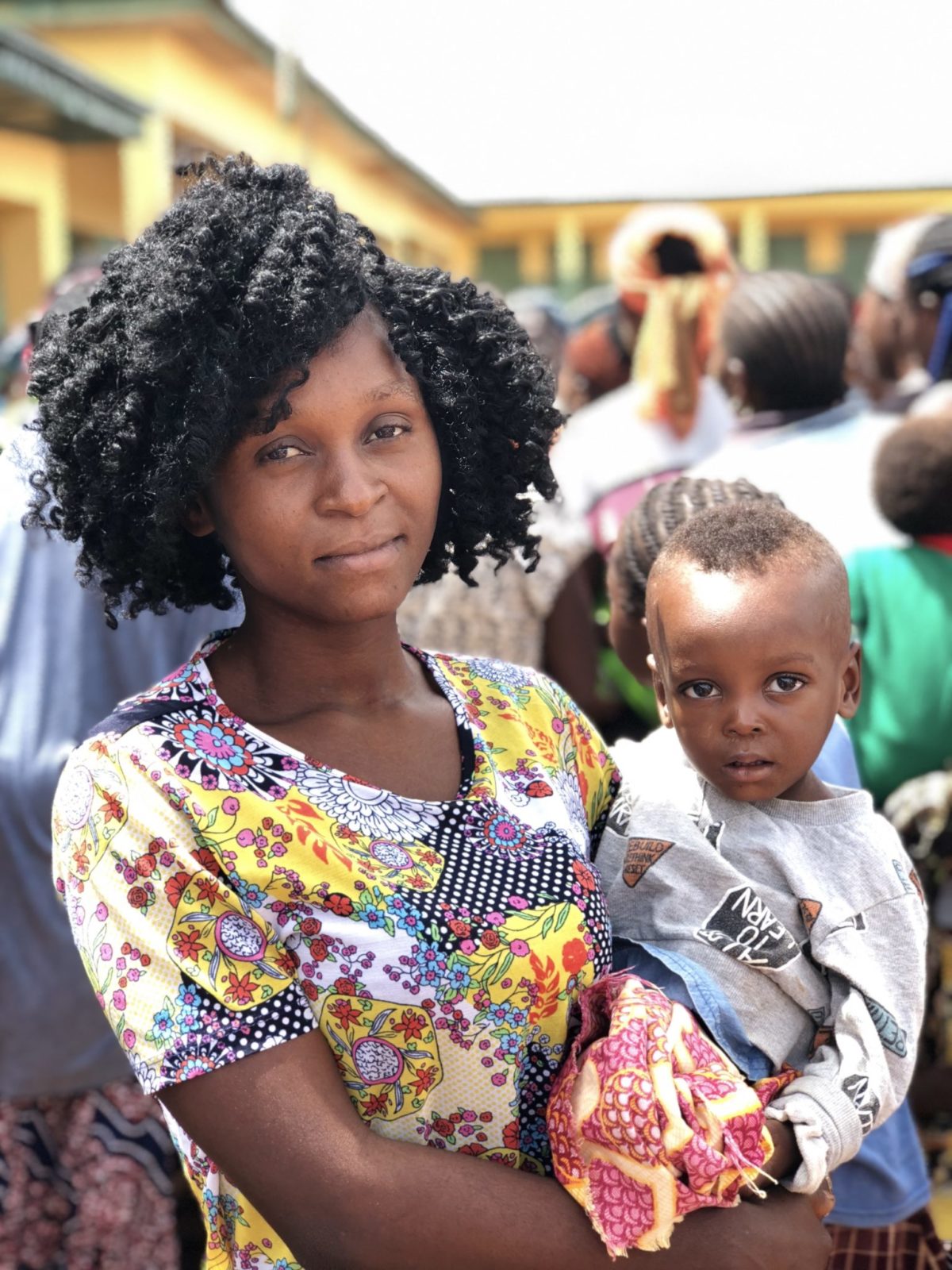
While in Nigeria, I was graciously hosted by Hauwa Abbas, Founder of the Silver Lining for the Needy Initiative (SLNI) to join a community program for pregnant women in the Kpaduma Community in Abuja. In Kpaduma, I was told that most women have between 5 and 7 children and that there are hundreds of pregnant women at any given time. Although this particular community has electricity and access to water, it does not have a healthcare center, and the local public hospital had been on strike for 40 days on account of wage negotiations. This presents enormous obstacles to women’s access to quality maternity healthcare, making programs like SLNI’s essential to maternal and child health outcomes.

The purpose of the day’s event was to ensure all mothers in Kpaduma had a chance to speak with a nurse about what to be aware of during pregnancy and birth, including the importance of exclusive breastfeeding and a breastfeeding demonstration with a volunteer mother and infant from the crowd. Leaders also shared details about the importance of hand washing and vaccinations, and they led songs with the group of women and children attending. Since there is no healthcare center, the program was arranged outdoors at one of Kpaduma’s schools.

As a part of their community programs for pregnant women, SLNI hands out “Mama Kits” for home birthing to the 400 pregnant women in the community. These “Mama Kits” include essentials such as a sterilized blade for cutting the umbilical cord, gauze, cotton balls, sterilizing fluid and a Macintosh mat, which provides a sterile surface for mothers to lay on when giving birth at home. As many mothers do not have the tools for a safe birth, these kits are critically important in reducing maternal and child mortality.

To learn more about the Silver Linings for the Needy Initiative, check out their website and follow them on Facebook and Instagram.

Breastfeeding Support for Moms: the MamaCare Program
While staying in Abuja, I also had the opportunity to join Rita Momoh, a midwife who teaches classes on exclusive breastfeeding and handwashing as a part of the MamaCare Program with Wellbeing Foundation Africa (WBFA). Rita teaches 2 classes every weekday morning and does house visits for local families, reaching hundreds to thousands of mothers each month.

I was able to join Rita for an antenatal class at Garki Hospital in Abuja as well as a postnatal class at Lugbe Primary Healthcare Center in a nearby southern village. Her classes were both engaging and informative. She opened with a song about the love of a baby, mother and father, and provided significant detail about proper handwashing and breastfeeding. Rita emphasized the benefits of breastfeeding not only for baby’s health, but for the whole family, noting that breastfeeding has health and economic benefits for moms and dads.

To learn more about the Wellbeing Foundation Africa, check out their website and follow them on Facebook and Instagram.

It was incredibly moving to meet the leaders working in Nigeria to improve health outcomes for moms and babies. After seeing these health workers’ and advocates’ work first hand, I am inspired and energized to continue advocating for better policies and programs that impact communities like these and the women and children where it matters the most.