Author:

Farm Bill Statement

On Monday evening, the Farm Bill Conference Committee finished their report reconciling the different bills put forward by the House and Senate earlier this year. 1,000 Days commends the Committee on a balanced and bipartisan compromise authorizing a number of U.S agricultural, conservation, rural development, and nutrition assistance programs for the next 5 years.

Notably, this bill helps secure the food and nutrition needs of millions of Americans, including families with young children. Rejecting politically charged proposals that would have increased food insecurity among low-income families, the final Farm Bill affirms the important role that the Supplemental Nutrition Assistance Program (SNAP) plays in addressing hunger and poverty. 1,000 Days will continue to work with policymakers and our partners to ensure that federal food and nutrition programs, like SNAP, continue to meet the needs of women and young children.

The Farm Bill also authorizes international food assistance programs, which help millions of people around the world survive hunger and malnutrition. We are pleased that the conference committee retained important provisions from the House and Senate bills that would improve the effectiveness and efficiency of these programs, allowing them to reach more beneficiaries.

Both the Senate and House have passed the report and it awaits the President’s signature.

Additionally, 1,000 Days joined this statement on the Farm Bill’s international food assistance programs.

Global Nutrition Report Illuminates Need for More Resources for Nutrition

This year’s Global Nutrition Report (GNR) highlights that the opportunity to end malnutrition has never been greater. Progress is being observed and where it is not, there is more granular and nuanced data available to understand the challenges facing communities plagued by malnutrition.

Still, global progress is not overshadowing the struggle against malnutrition happening within communities and at the local level. For instance, while global stunting levels are decreasing globally, the absolute number of children that are stunted in Africa is on the rise. Exclusive breastfeeding rates are improving, but still, many newborns are not getting breast milk within the first hour of birth. Anemia rates remain particularly stagnant, especially amongst non-pregnant women as compared to pregnant women.

The nutrition financing conundrum
If we know what’s working and can identify the gaps, then what’s missing? While there is certainly more to learn about how to best address malnutrition, it’s impossible to ignore that even what we know works in the fight against malnutrition is not being funded at scale.

Donors invest less than 1% of development assistance in nutrition-specific interventions or direct investments in nutrition. While donors have met the funding commitment made at the Nutrition for Growth pledging summit in 2013, there is still a significant gap. The GNR assessed that there are early indications that governments in low and middle-income countries are committing more domestic expenditure to nutrition and there has also been an increase in the number and breadth of national nutrition policies and targets. We know it is critical that funding flows towards efforts to realize those goals now.

The opportunity to change course
The world cannot afford for progress in the fight against malnutrition to plateau or diminish. With significant donor pledges from Nutrition for Growth 2013 set to expire in 2020, there is an opportunity for the international community to work together and ensure that progress against malnutrition not only stays on track but is accelerated. The Government of Japan has announced that it will host a Nutrition for Growth event in Tokyo in 2020 and while planning is just getting underway, there are high hopes that this moment will raise awareness and spur increased investments in nutrition.

Here’s how policymakers can make a difference:

Recommit to nutrition as a pillar of global development that requires focused resources. 2020 marks a decade until the proposed achievement of the Sustainable Development Goals. Nutrition is a prerequisite investment to the successful achievement of all 17 of the Sustainable Development Goals (the 2017 GNR highlighted this!). Without significant investments in nutrition, all development goals are at risk of being undermined – stalling progress and threatening global health and resilience in the face of humanitarian crises. A high-level convening of all stakeholders including donors, country governments, philanthropic organizations, civil society, and the private sector is an opportunity to recommit to nutrition at this pivotal moment and generate new resources.

Build a foundation for the next decade of progress by investing in nutrition-specific investments. The fundamentals of good nutrition are still not being funded in accordance with the need. These include evidence-based, nutrition-specific interventions that can be brought to scale like micronutrient supplementals, promotion of breastfeeding and nutritious complementary feeding, and treatment of severe acute malnutrition.

Address the underlying causes of malnutrition with integrated, multi-sectoral programming that supports the overall health and well-being of families and communities, including access to water, sanitation and hygiene, and nutritious foods that account for the specific needs of adolescent girls and women. A research agenda and policy roadmap for investing in multi-sectoral programming to improve nutrition is urgently required to save lives and observe more rapid results. National country plans seek to tackle malnutrition with a multi-sectoral approach, but sufficient budget allocations remain a missing piece of the puzzle.

Hold all stakeholders accountable for current commitments. 2020 is an opportunity to celebrate progress and assess what is working and not working in the fight against malnutrition. Existing commitments must be met with integrity and transparency, and a more ambitious agenda should be set to meet globally agreed targets that leave no one behind.

5 Things You Need to Know About Breastfeeding and HIV

Globally, over 36 million people are living with HIV and almost 2 million of these cases are children under the age of 15. Although far too many people are living with HIV globally, there has been remarkable progress in reducing new infections – particularly in preventing mother-to-child transmission. Between 2010 and 2017, the number of new infections among children under 5 declined by 35 percent and AIDS-related deaths among young children declined by nearly half.

Despite this noteworthy progress, there are still misconceptions about a woman’s ability to breastfeed if she is HIV positive. Mothers who are on consistent antiretroviral treatment (ARV) throughout the breastfeeding period have an extremely low risk of transmitting HIV to their babies. Supporting an HIV-positive woman’s ability to breastfeed through ARV treatment and lactation counseling gives children the lifesaving benefits of breastmilk. It also dually improves the woman’s own health by conferring the maternal health benefits of breastfeeding (such as reduced risk of certain cancers) and improving her health through ARV treatment. By strengthening support for HIV treatment and breastfeeding, we can improve survival and health for both mothers and children.

Note: The facts below are based on the recently published “Breastfeeding and HIV” Advocacy Brief. For more resources, check out the Global Breastfeeding Collective, led by UNICEF and WHO.

Here are 5 things you need to know about breastfeeding and HIV:

  1. Breastfeeding is the safest, most nutritious option for babies.
    Breastmilk is always the right temperature, requires no preparation and is readily available even in settings with limited access to clean water and adequate hygiene. Breastfeeding promotes cognitive development and acts as a child’s first vaccine, giving babies everywhere a critical boost.
  2. Breastfeeding is a life-saving intervention.
    Breastmilk contains antibodies and other components that protect children against deadly infections. In some contexts, when there may be limited or no access to clean water and hygienic conditions, breastfeeding can drastically reduce the risk of diarrhea and other deadly diseases.
  3. Breastfeeding mothers need (even more!) support when following an HIV treatment regimen alongside breastfeeding safely.
    With adequate support from their families, communities, health workers and society, almost all mothers can breastfeed, even in the harshest contexts. Support for breastfeeding must be free from commercial influences and must include counseling provided within health facilities and at the community level to guide mothers through breastfeeding with HIV safely.
  4. HIV testing, treatment and support should be provided as part of the care women receive before, during and after pregnancy.
    This support should be provided confidentially and without judgement. It should also be affordable and accessible for all families.
  5. Preventing mother-to-child transmission of HIV is a public health priority.
    Adequate services and support can help women protect themselves from being infected with HIV before and during pregnancy and throughout the breastfeeding period.

The life-saving protection of breastfeeding is critical to children surviving and thriving around the world. Particularly in settings where malnutrition is widespread, breastfeeding guarantees a safe, nutritious and accessible food source for infants and young children and a protective shield against death and disease. But breastfeeding requires immense support from families, communities and societies, and by strengthening support for the treatment of HIV and breastfeeding, we can improve survival and health for both mothers and children globally.

Trump Administration “Public Charge” proposal could have disastrous consequences for mothers and babies in the U.S.

1,000 Days calls on the Trump Administration to shelve its proposed public charge rule – a proposal that will cause millions of immigrant women and children to forgo the critical medical, nutrition and housing programs they need to keep their families healthy and safe.

Read 1,000 Days’ Public Comment in opposition to the proposed rule sent to the U.S. Department of Homeland Security on Thursday, December 6, 2018.

“Public charge” is a test used during the citizenship process and this proposed rule expands that test such that the U.S. Government can consider whether a family has used or is likely to use public programs such as the Supplemental Nutrition Assistance Program (SNAP) and Medicaid.

The effects of this rule will be especially disastrous for pregnant women, babies and toddlers. Without the critical nutrition, health care and safe housing support that these programs provide, expectant mothers and young children will be put at risk for malnutrition and serious health problems. In fact, the proposed rule itself notes that “disenrollment or foregoing enrollment in public benefits program by [people] otherwise eligible for these programs could lead to: Worse health outcomes, including increased prevalence of obesity and malnutrition, especially for pregnant or breastfeeding women, infants, or children…”

The damage done by malnutrition and other preventable health conditions during pregnancy and the first two years of a child’s life can be irreversible. Children who are malnourished early in life are at greater risk of failure to thrive. They are more likely to have developmental delays, perform poorly at school and struggle to lead healthy lives. And when children fail to reach their full potential, we all feel the consequences.

It is why basic nutrition and health services for women and young children—regardless of immigration status—must be protected. 1,000 Days is deeply concerned that this Trump Administration proposal will also add to the climate of fear and intimidation that is already causing immigrant families to drop out of critical nutrition and health programs they are legally authorized to use.

1,000 Days urges individuals across America to speak out against this latest Trump Administration attack on immigrant families and we will join forces with partners to mobilize public comments opposing this rule.

Congressional Outlook: What We’re Watching this Fall

Congress has kicked off their fall legislative session with a packed agenda and not many legislative days to accomplish it. Federal funding, judicial nominations, the Farm Bill, possibly legislation to address the opioid crisis are just a few of the priorities competing for limited floor time. 1,000 Days is paying particular attention to a few key issues that are critical for moms, children and families:

Federal Funding
Funding for the federal government expires on September 30, giving Congress just a handful of legislative days to agree to Fiscal Year 2019 spending packages—or to pass a short-term patch. If the House and Senate cannot reach an agreement, there is the potential for a federal government shut down.  1,000 Days is carefully watching and providing feedback as it relates to funding for programs that support moms and their families in the U.S., as well as programs that prevent malnutrition in women and children in developing countries. We will continue to urge Congress to make the needed investments that moms, babies, and their families need to thrive.

Farm Bill
Both the House and the Senate have passed their separate versions of the Farm Bill. The House version includes deep and profoundly negative changes to SNAP that will harm families’ ability to purchase the food they need. The bipartisan Senate version includes small, commonsense changes to SNAP, which are supported by 1,000 Days and the broader nutrition community.

The bipartisan Conference Committee – comprised of 56 members of the House and the Senate – is now working to find a compromise between the two versions. 1,000 Days strongly large supports the Senate version of the Farm Bill and, in partnership with other advocates and experts, will urge rejection of the House’s harmful cuts and instead to move forward with changes that protect access to nutrition assistance.

The Farm Bill also authorizes several international food security programs, which help millions of people around the world survive malnutrition.  1,000 Days has called on the Conference Committee to retain important provisions from the House and Senate bills that would improve and strengthen the programs, allowing them to reach more beneficiaries in more effective ways.

Read 1,000 Days letter to the Conference Committee.

Comprehensive Health Insurance
Comprehensive coverage and protections for people with pre-existing conditions remains at risk. A legal challenge in the Texas Federal District Court, legislation offered by several Republican Senators, and continued regulatory action by the Department of Health and Human Services (HHS) could have a terrible outcome: making comprehensive coverage much more expensive and allowing insurers to charge more or deny coverage for pre-existing conditions.

Many will remember when being a woman, having a child, or being of childbearing age were considered “pre-existing conditions” – we cannot go backwards.

1,000 Days will continue to amplify the voices of moms across the country by advocating for the consumer protections families need to access comprehensive, affordable health care.

Paid Leave
Over the summer, Senator Rubio offered token legislation that does little to achieve the goal of a national paid leave program for all. Meanwhile, new research shows the strong support for paid leave among the American public. 1,000 Days will continue to advocate for a national paid leave policy that supports new moms and their families. We urge Congress to enact legislation that achieves that goal.

Good Nutrition in the First 1,000 Days to Reduce NCDs

Around the world, non-communicable diseases (NCDs) such as heart disease, cancer and type 2 diabetes make up 70% of health-related deaths, posing the largest threat to people’s health globally and costing the global economy trillions of dollars.

Unhealthy diets & sedentary lifestyles are consistently linked to a rise in obesity & diet-related NCDs, and ultimately, premature death – and it’s not just adults that are affected by these conditions. In 2018, an estimated 38 million children under age five were overweight and at greater risk of developing a diet-related non-communicable disease.

More than two-thirds of overweight children live in low and middle-income countries, and many of these countries are dealing with rising levels of obesity alongside other forms of malnutrition, including the crises of childhood stunting, wasting and micronutrient deficiencies. The coexistence of overweight/obesity and undernutrition, known as a “double burden of malnutrition,” can occur in the same country, family and even in the same person.

In fact, being malnourished as a child increases the risk of obesity and diet-related NCDs later in life.

An established – and growing – body of evidence shows that the 1000-day window between a woman’s pregnancy and her child’s 2nd birthday, is a particularly critical period in which how well or how poorly a child is nourished has a profound impact on a child’s health, for the rest of their life.

Good nutrition in the first 1,000 days reduces the risk of malnutrition and chronic, non-communicable diseases.

  • Providing nutrition counseling and health care for women before and during pregnancy reduces the risk of having a malnourished child. Proper nourishment during pregnancy reduces the child’s risk of developing obesity or NCDs later in life. It also helps ensure women gain the appropriate amount of weight and helps prevent gestational diabetes.
  • Promoting, protecting and supporting breastfeeding gives children the best start to life and can prevent NCDs in both mother and child. The natural biological make-up of breastmilk helps regulate food intake and energy balance and reduce the risk of childhood obesity. Breastfeeding also is shown to reduce the risk of breast and ovarian cancers in women.
  • Ensuring access to healthy, nutritious and age-appropriate foods for young children, after exclusively breastfeeding for six months and as a complement to continued breastfeeding, sets the foundation for a child’s healthy eating habits and lifelong health.

This month, the United Nations General Assembly is hosting a High-Level Meeting on NCDs and 1,000 Days will be joining partners in calling on world leaders to commit to action and investment to reduce NCDs. ENOUGH to childhood obesity and the health risk it entails. It’s time for policymakers to step-up, invest and implement policies that promote a healthy first 1,000 days to help reduce all forms of malnutrition and diet-related NCDs.

Please join us in highlighting the importance of good nutrition in the first 1,000 days by following us on Twitter and Facebook this month in the lead up to the UN High-Level Meeting on NCDs on September 27th.

To learn more about policies that can reduce both undernutrition and overweight and obesity, check out the WHO brief on Double-Duty Actions.

An Incredible Opportunity: Breastfeeding & Social Media

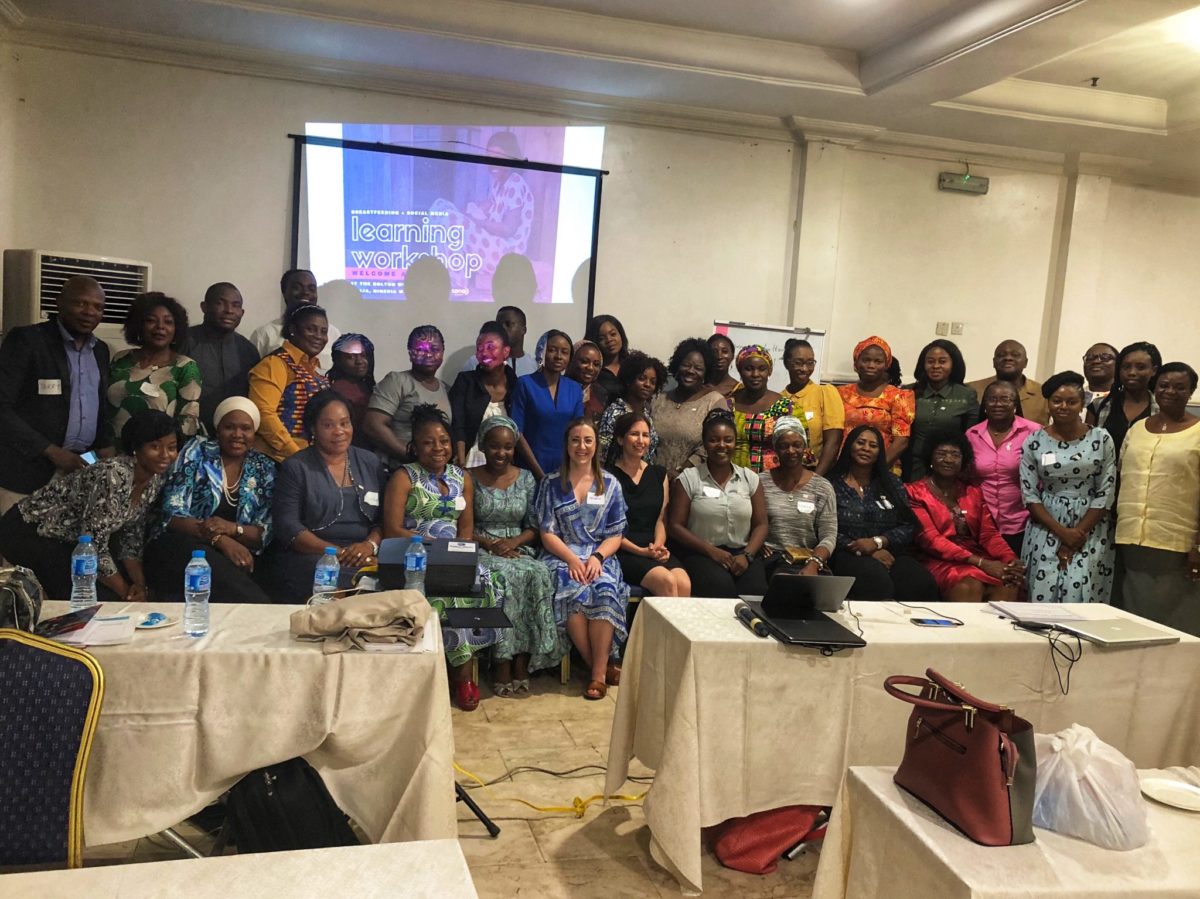
1,000 Days recently organized a day-long workshop in Nigeria with several partners working to promote, protect and support breastfeeding. Together with 43 representatives from 20 different local organizations and governmental agencies, including Alive & Thrive, UNICEF, Nigeria Center for Disease Control, Nigeria Ministry of Health and many others, we sparked a robust discussion about what is possible when using social media to promote breastfeeding. The workshop covered a range of topics and participants brainstormed and worked together to identify what a social media campaign for breastfeeding in Nigeria might look like.

Breastfeeding in Nigeria
While nearly ALL women in Nigeria breastfeed, only 17% of newborns are exclusively breastfed and early initiation of breastfeeding remains well below the regional and global averages. In turn, Nigeria has a high rate of malnourished children, ranking second globally and first in Africa.

Many factors contribute to low rates of exclusive breastfeeding in Nigeria including lack of supportive policies and programs (like no paid maternity leave) and little access to quality health care (very few villages even have a health care facility). But on top of these structural barriers, misconceptions around infant feeding—such as that infants also need water in the first few months—also play a major role in inhibiting exclusive breastfeeding in Nigeria. It is important that widespread public health messages help to break down common misconceptions and encourage a positive environment for mothers to exclusively breastfeed.

The Case for Social Media
Social media platforms – such as WhatsApp, Facebook and Instagram – have a growing influence in Nigeria, with over 20 million active monthly users on Facebook alone. In the Kpaduma community we visited, an estimated 75-80% of women in have mobile phones, a more commonly accessible amenity than even toilets. This is a largely untapped communications platform for public health resources and support.

By amplifying messages on social media about the benefits of breastfeeding, we can increase awareness among a larger population of people online, where increasingly more Nigerians are turning for information.

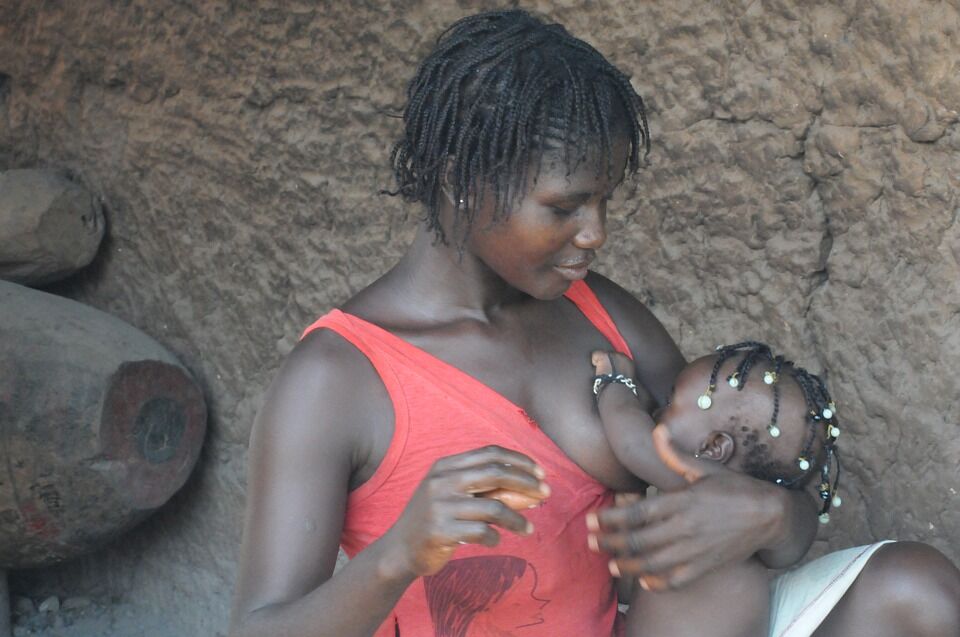
Look closely – the woman pictured in Kpaduma community is holding a mobile phone.

Imagine the possibilities of reaching over 20 million Nigerians with information about the benefits of breastfeeding! This would be a significant step forward in creating an environment for the better supports women to reach their personal breastfeeding goals. By combining the power of social media with ongoing education campaign carried out by local partners, we can reach many more moms (and dads!) with messages that encourage optimal feeding practices.

Our Work
It was with this knowledge in mind that 1,000 Days organized a day-long workshop with partners already working to promote, protect and support breastfeeding in Nigeria. The energy level in the room was incredible – only increasing as the day progressed, with everyone dedicated to utilizing every opportunity to better support moms and babies.

We look forward to continuing to share resources and trainings with these partners. This is clearly just the beginning for this incredibly passionate group of advocates!

When It Comes to Paid Leave, the Details Matter

Yesterday, Senator Marco Rubio (R-Fla.) and Representative Ann Wagner (R-Mo.) released a new paid leave proposal to provide new parents the time they desperately need to care for themselves and their newborns. While the bill – titled the Economic Security for New Parents Act – sounds good, it is flawed for several reasons:

  1. The Rubio bill forces parents to choose between paid time off now and their retirement security later. According to the proposal, parents will have the option to borrow from their own Social Security savings in order to finance their paid leave. But in doing so, they will have to delay the date at which they can begin receiving their retirement benefits. Analysis of this plan indicates it would “erode participants’ retirement security.” It may also have devastating effects on low-wage workers in particular – who are predominantly women and women of color – who are already the least likely to have paid leave through their employer and who will rely heavily on their social security when they retire.
  2. The Rubio bill does not provide sufficient wage replacement. According to the Urban Institute’s analysis, the program would replace roughly half of the earnings for typical new parents. Yet, we know from the few states with paid leave policies that when wage replacement is too low, families cannot afford to take the leave they need.
  3. The Rubio bill only provides paid leave for new parents, excluding the significant needs of America’s workers to care for a loved one or recover from an injury or illness themselves. In fact, 75 percent of people that take unpaid leave through the Family and Medical Leave Act (FMLA) take leave for these reasons.

During the press conference to announce this new bill, Senator Rubio stated: “Issues that are about our children and their families should not be ideological or partisan.” At 1,000 Days we completely agree with this statement, and are encouraged to see that more and more policymakers on Capitol Hill and in state capitals across the country are getting the message that America workers need paid leave. But the details matter.

As the debate around a national paid leave policy continues, we urge Members of Congress to prioritize a comprehensive paid family and medical leave policy – like the FAMILY Act – that helps ALL working parents in the U.S. give their children the strongest start to life.

August is Breastfeeding Month

Today marks the beginning of World Breastfeeding Week (August 1-7) AND National Breastfeeding Month. All month long, people around the world are celebrating the amazing benefits of breastfeeding, while continuing the fight to ensure women have the support they need to breastfeed.

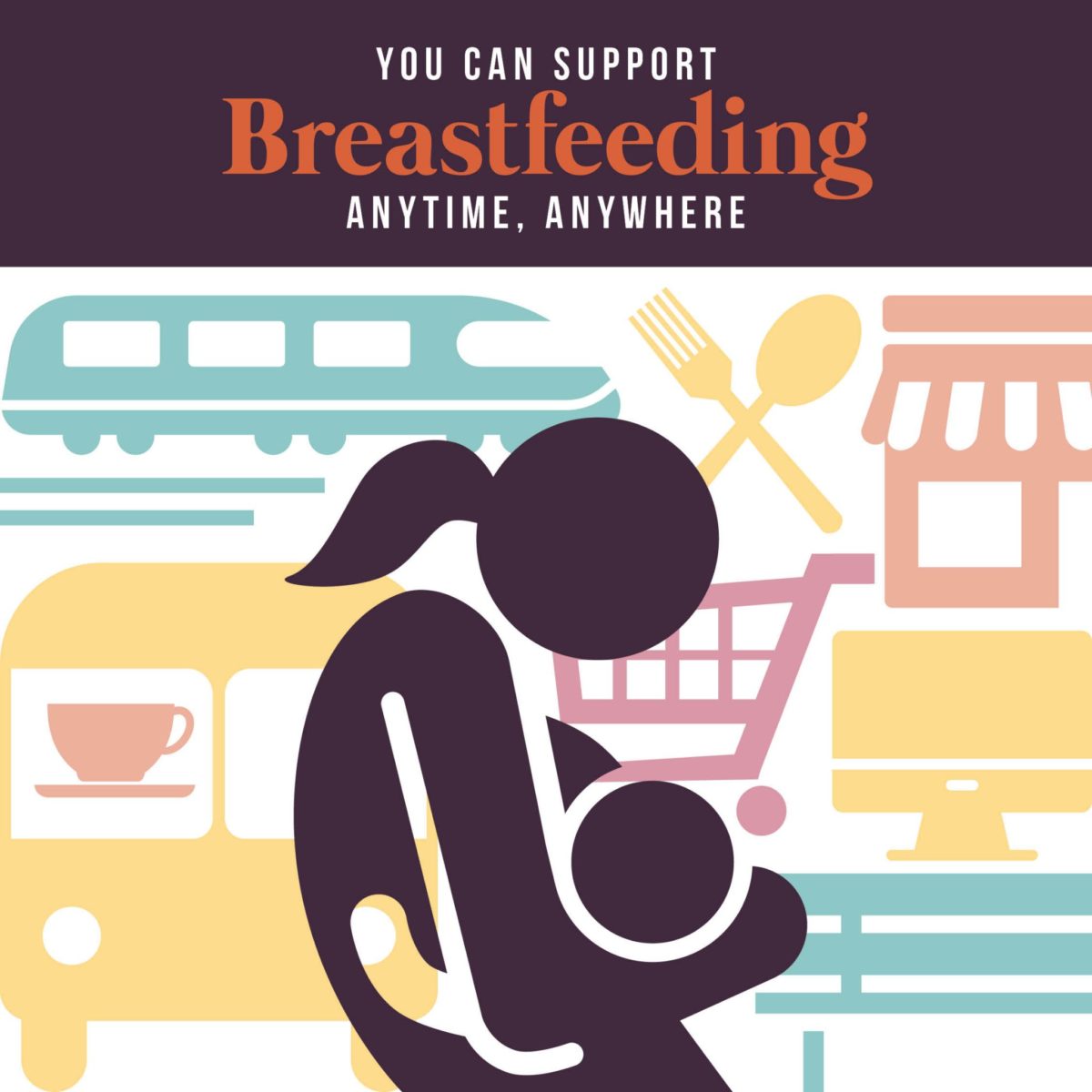
Join us and pledge your support for women to breastfeed anytime, anywhere.

The evidence is clear – breastfeeding saves lives by protecting babies from life-threatening infections and illnesses. If babies were breastfed early and exclusively for the first 6 months, over 820,000 lives could be saved each year!

A world in which women receive support to breastfeed is a world in which women and children thrive. Enabling women to breastfeed for as long as they desire would result in less illness and disease, as breastfeeding plays a key protective role for infant health. Fewer children would die from diarrhea and pneumonia – two of the leading causes of child mortality globally – as well as Sudden Infant Death Syndrome (SIDS)—a leading cause of infant mortality in the U.S.

And it’s not just babies who benefit from breastfeeding. When a mother breastfeeds, she reduces her risk of developing ovarian cancer, breast cancer and heart disease.

Even with all these benefits, there is still a troubling lack of support for breastfeeding women around the world. NO country (including the United States) offers moms the support they need to reach their breastfeeding goals.

This year, let’s commit to creating a world where every mom has the support she needs to breastfeed.

Here’s what you can do: 

  1. Pledge your support for women to breastfeed anytime, anywhere.
  2. Add an “I Support Breastfeeding” Frame to your Facebook Profile.
  3. Share your breastfeeding experience and tell us who supported you on your breastfeeding journey, or who you supported to reach their breastfeeding goals.

No one breastfeeds alone – and we ALL have a role to play in supporting breastfeeding. Thank you for joining us this month to support moms and babies everywhere to have a healthy first 1,000 days.

Interested in learning more? Check out our Inspiration Guide with key facts, stats and graphics that illustrate the benefits of breastfeeding.

1,000 Days on Trump Administration’s Attempt to Block Global Breastfeeding Resolution

Over the last week, breastfeeding has become a front-page issue. On Sunday, July 8 the New York Times published a story about the U.S. Government’s opposition to a World Health Assembly (WHA) resolution to encourage breastfeeding. This story sparked unprecedented media interest and a public outcry against the efforts of both the U.S. delegation and the infant formula industry to undermine global breastfeeding policy and public health.

Many leading maternal and child health organizations issued statements, including the American Public Health Association, the United States Breastfeeding Committee, and a joint statement from the American Academy of Pediatrics and the American College of Obstetricians and Gynecologists.

1,000 Days has long advocated for infant formula manufacturers to adopt more ethical and responsible marketing practices in compliance with the WHO Code of Marketing Breastmilk Substitutes (also known as “The Code”) – and we continue to do so in light of the reports coming out of the World Health Assembly.

Our Executive Director, Lucy Sullivan, was interviewed on CNN’s HLN about the WHA breastfeeding resolution and the big business of infant formula. “You have to remember that the formula industry is a 70 billion dollar a year industry and it’s growing by leaps and bounds.”

Here are some of the other major media outlets covering this story:

Why It’s Important
Breastfeeding is proven to save lives and improve women and children’s health. By improving global rates of breastfeeding, over 800,000 babies’ lives could be saved worldwide every year. Breastfeeding reduces the risk of babies dying from SIDS, respiratory infections, diarrhea and other serious medical conditions. Additionally, breastfeeding has powerful health benefits for moms as it lowers a woman’s risk of breast cancer, ovarian cancer and heart disease.

But infant formula is BIG business. While formula is a necessity for many families—which is why the World Health Organization and we at 1,000 Days support the safe use of infant formula when needed—infant formula companies are working to undermine breastfeeding and weaken measures that protect parents and children from the misleading and unethical tactics they use to push their products.

We believe that no government should stand in the way of breastfeeding and no company should interfere with policies to protect the health of women and children.

What We’re Doing
Over the past week, 1,000 Days has spoken out strongly against efforts that seek to push private profit over public health.

Here’s What You Can Do
Your voice matters. Sign our petition and tell infant formula companies to STOP putting their private profits before the health of moms and babies! Your signature will send a strong message that people around the world believe public health comes first. And by sharing this petition with family and friends, you can help us have even more of an impact.

Thank you for standing with us to ensure that moms and babies everywhere get the best start to life.