Category: Uncategorized

1,000 Days joins partners calling on global donors to fund nutrition crisis on World Food Day
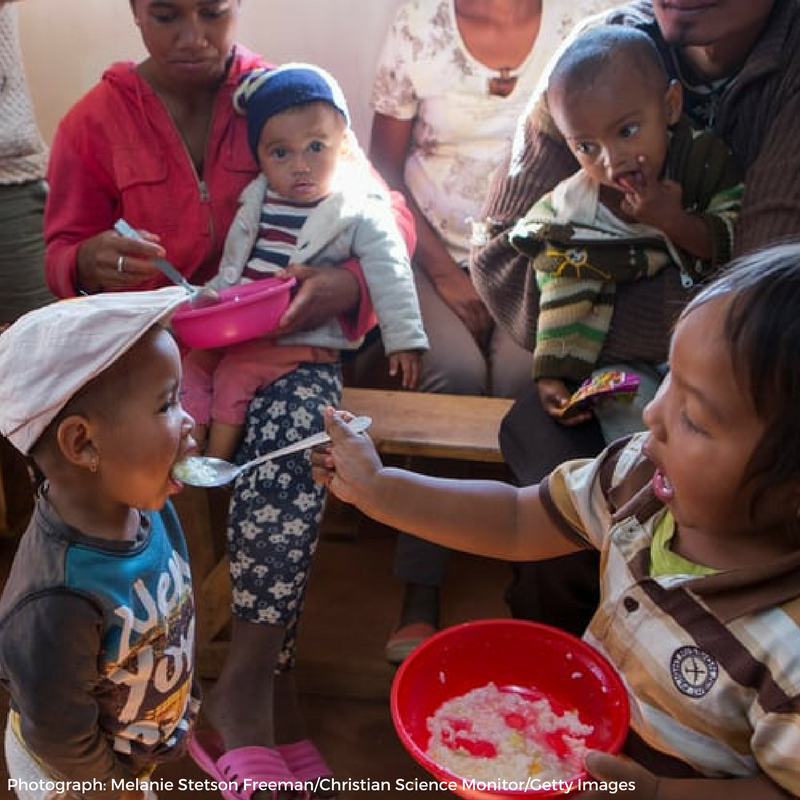
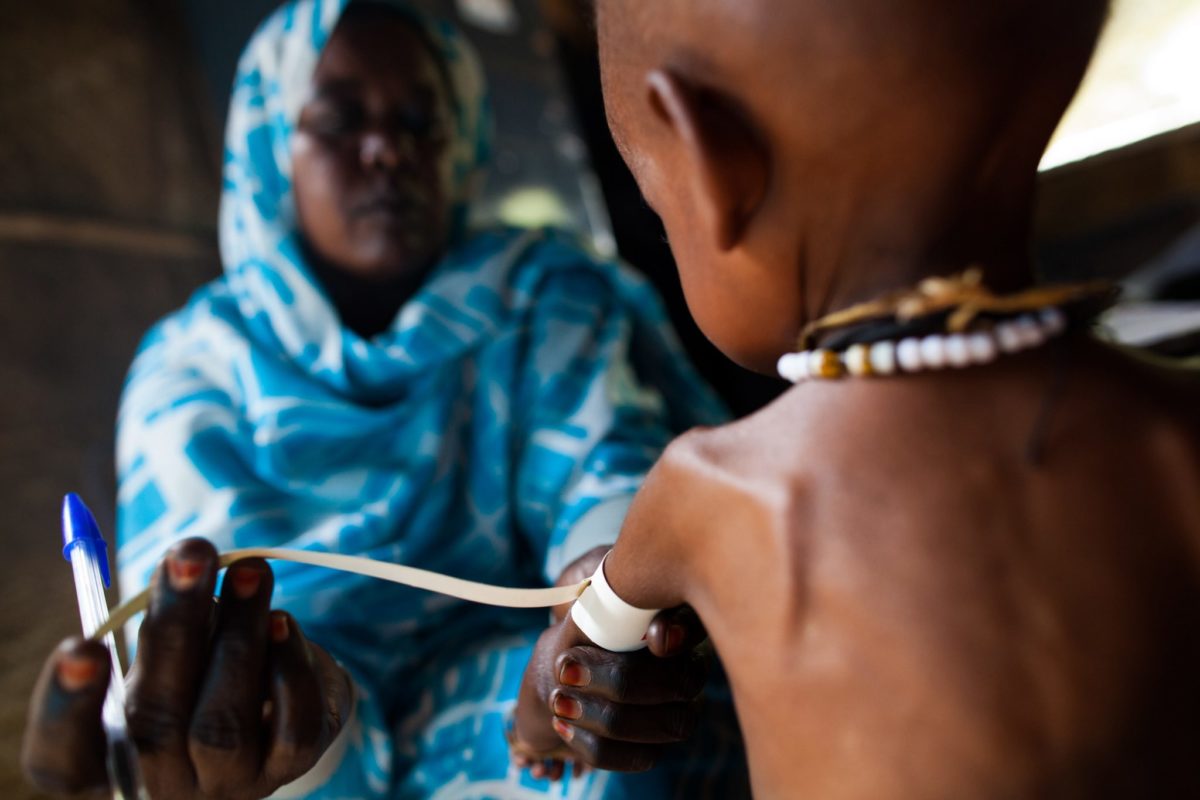
This World Food Day, together with the International Rescue Committee and our partners we are calling on global donors to prioritize nutrition funding to combat the malnutrition crises. Malnutrition can be life-threatening for children, and rates are on the rise due to the impacts of COVID-19. There is no time to spare – donors  and all stakeholders must step up now.

New York, NY, October 16, 2020 — The International Rescue Committee, together with CARE, 1,000 Days, HarvestPlus, Bread for the World, RESULTS Canada, KANCO, Concern Worldwide, Save the Children, World Vision, Action Against Hunger, and the Eleanor Crook Foundation endorse the following statement on World Food Day:

The Covid-19 pandemic, and its disruption to health and economic systems, is driving higher rates of a severe form of malnutrition. Urgent action is needed to save children’s lives and avert increased acute malnutrition and hunger during the pandemic and beyond. Global donors must increase their commitment to nutrition.

Year after year, over seven percent of the world’s children under age 5 –  approximately 47 million children in 2019 – — suffer from a dangerous form of malnutrition referred to as acute malnutrition, or wasting.  This form of malnutrition can increase mortality risk up to 11x that of a healthy child.

Covid-19 is driving rates of malnutrition up. World hunger is projected to rise to an additional 132 million people this year as a result of the pandemic, and acute malnutrition itself is projected to rise 14 percentbringing the number of children under age 5 with acute malnutrition to 54 million. In four conflict-affected settings, the crisis is even more grave: Yemen, South Sudan, the Democratic Republic of Congo, and Northeast Nigeria are experiencing crisis-level food insecurity and acute malnutrition. The United Nations has recently warned that the situation in these countries is likely to worsen unless immediate action is taken. This stark increase in malnutrition, and the growing complexity of the hunger and nutrition landscape, threatens decades of progress to reduce child mortality.

Global progress on acute malnutrition has taken place slowly over the last twenty five years. Efforts to reach these children with life-saving treatment, called therapeutic foods, have been painfully slow, with only twenty percent of children needing treatment accessing it. Therapeutic foods were first developed in 1996, and yet remain widely unavailable to children in need. Prevention efforts like vitamin A supplementation and breastfeeding promotion must also be scaled up.

However, innovations in recent years have brought new hope for malnourished children.

New research into different approaches for treatment- including delivery by community health workers, and a simpler, more efficient treatment protocol- offer the promise of reaching more children, and stretching every dollar further. Recognizing the need for progress, last year United Nations Secretary General Antonio Guterres convened the leadership of United Nations agencies, and collectively they produced and agreed to an ambitious set of goals, released earlier this year as the Global Action Plan on Wasting. This commitment to accelerate progress- including scaling treatment to reach 50 percent more children- is paired with a commitment from the World Health Organization to review its guidelines on wasting, potentially paving the way for wider use of new approaches and innovations.

However, much remains to be done to reach the ambitious targets committed to in the Global Action Plan. United Nations agencies and national governments alike must maintain and increase resources for health systems- including investing in critical areas which are important for closing equity gaps and ensuring that every child can access the treatment they need.

Severe funding gaps

Despite the depth and severity of the needs, global nutrition efforts remain deeply underfunded. UN agency heads have indicated that $2.4 billion in additional investment is needed to truly protect children by preventing and treating acute malnutrition. This would support a full package of nutrition interventions- scaling up access to treatment, expanding prevention efforts like vitamin A supplementation, and promoting, protecting and supporting breastfeeding.

The most essential programming for nutrition response to the pandemic are outlined in the United Nations’ Global Humanitarian Response Plan. This plan has requested $247 million for essential nutrition response: to date, only three percent- approximately $7.7 million- has been funded.

Donors must commit to meeting the needs of these children

This World Food Day, we are calling attention to the deep, and increasing, need for nutrition funding. To avert increased child mortality due to increased acute malnutrition and hunger during the pandemic and beyond, global donors need to increase their commitment to nutrition.

Funding commitments to nutrition should be increased immediately through fulfillment of the UN’s Global Humanitarian Response Plan.  And over the long-term, donors need to significantly increase long term funding commitments to nutrition: global donors should make strong commitments to address nutrition needs at next year’s Nutrition for Growth summit, including a doubling for nutrition-specific interventions like acute malnutrition treatment.

Covid-19 has stressed countries’ finances across the globe, but we cannot let millions more children suffer hunger, malnutrition, and even death, because of the pandemic.
FHI Solutions acquires 1,000 Days to strengthen a healthy start in life

FHI Solutions has acquired 1,000 Days, an advocacy organization leading the fight to make the well-being of children in the first 1,000 days of life and their mothers a policy and funding priority. The announcement was made by Nadra Franklin, Managing Director of FHI Solutions, and Nicholas Alipui, a member of the board of directors of 1,000 Days.

“FHI Solutions creates evidence-based, scalable solutions to improve nutrition and development in communities across the globe. This acquisition, effective October 1, 2020, will strengthen our combined advocacy voice, extending our influence in the United States and solidifying it globally, to bring better nutrition to mothers and children,” said Franklin. The 1,000 Days initiative joins two other centers under FHI Solutions: Alive & Thrive and Intake, a Center for Dietary Assessment.

Since its inception, 1,000 Days has worked to win support for investments in the nutrition and well-being of mothers, babies and toddlers in the United States and around the world. Together with the FHI Solutions team, they will make the case to policymakers, global leaders and those who influence them that brighter futures begin with ensuring that mothers and children everywhere have a thriving first 1,000 days of life.

“Now more than ever, the game-changing first 1,000 days of life remain the best window to support the millions of children and mothers who are struggling to get the nutrition, health care and protection they need to thrive,” said Alipui. “Joining forces with FHI Solutions will advance our mission of improving the well-being of women and children by deploying highly effective, science-based solutions for the highest return on investment here and around the world.”


About FHI Solutions

FHI Solutions, founded in 2008, is a subsidiary of FHI 360, an international nonprofit with a longstanding and proven track record of improving global nutrition through innovative, evidence-based and scalable approaches. FHI Solutions collaborates with a wide array of best-in-class global actors, ensuring that people around the world have the nutrition they need to lead healthy, happy and productive lives.

About 1,000 Days

From advocating for evidence-based dietary guidelines for pregnant women and young children to providing parents with educational resources on baby and toddler feeding, 1,000 Days is committed to nourishing healthy beginnings. 1,000 Days, a long-time partner of FHI Solutions, powers change through the voices of thousands of people who care about the health and well-being of mothers and babies. 1,000 Days will become an initiative under the FHI Solutions umbrella.

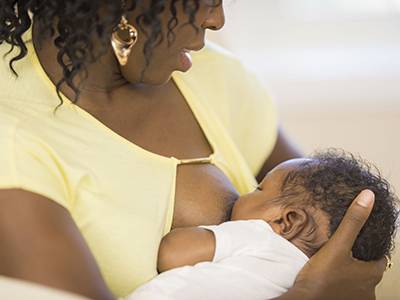
Photo credit: FatCamera/Getty Images

What We’re Watching in Congress – Fall 2020

With the end of the fiscal year rapidly approaching and the election less than two months away, Congress has a number of priorities that they are hoping to take care of before Senators and Representatives head back to their home states to campaign. The death of Supreme Court Justice Ruth Bader Ginsburg, and the possible Senate consideration of a nominee to fill her seat, further complicates the Congressional schedule. Nevertheless, the House has recently passed a number of important bills crucial to the health and well-being of families in the 1,000-day window.

Here are a few things we have been keeping an eye on:

Progress on a CR

After several weeks of negotiations, House Democrats and the White House have reached a deal to extend government funding through December 11th. The continuing resolution, passed by a sizable bipartisan majority in the House earlier this week, includes important funding for numerous child nutrition programs. The Pandemic-EBT program established under the CARES Act this fall, which allows families to receive a cash benefit for the meals that their children would otherwise receive at school, has been extended to cover younger children through the Child and Adult Care Food Program. Additionally, the waiver authority which has allowed the Special Supplemental Nutrition Program for Women, Infants and Children (WIC) to continue serving families without requiring in-person clinic visits has been extended through the end of Fiscal Year 2021. WIC waivers have been incredibly successful in allowing pregnant women, moms and young children to receive the nourishing food, breastfeeding support and nutrition services they need to stay healthy during the pandemic, while protecting the well-being of WIC staff. We applaud the extension of these programs which provide critical support to help families have the healthiest first 1,000 days.

The Senate is expected to vote on the CR in the coming days, averting the threat of an upcoming shutdown. 1,000 Days urges Congress to build on this bipartisan success and pass a full government funding package for FY21, ensuring that all families can access the services and programs they need to stay healthy and secure during this crisis.

Stalled negotiations on further COVID relief

Unfortunately, Congressional leaders have not been able to come to an agreement on a fourth coronavirus relief package. As the nation passes the grim milestone of more than 200,000 dead from COVID-19, negotiations between the White House and Congressional leadership appear to have stalled. 1,000 Days once again calls upon Congress to pass a robust relief package including full funding for USAID anti-hunger programs, an extension and expansion of the emergency paid leave provisions established in the Families First Coronavirus Response Act, increased funding and flexibility for crucial nutrition programs like SNAP and WIC and additional funding to states to provide health insurance to low- and moderate-income families through Medicaid.

Legislation to support moms and babies advances in the House

Last week, the House passed the Pregnant Workers Fairness Act (Rep. Nadler, D-NY) with a strong, bipartisan majority. This commonsense bill requires employers to provide reasonable accommodations to pregnant employees and ensures that workers cannot be discriminated or retaliated against for seeking those accommodations. 1,000 Days submitted testimony in support of PWFA when it was under consideration by the Education and Labor Committee earlier this year and we are thrilled to see its overwhelming passage.

This week, the House also approved two important measures by unanimous voice vote. The Maternal Health Quality Improvement Act (Rep. Engel, D-NY) is an important step in addressing the staggering racial and ethnic health disparities in maternal health outcomes. This bill authorizes several grants for innovation in maternal and infant health care, in addition to improving data collection and coordination on maternal health outcomes, providing the CDC and NIH with valuable information to better understand the scope of the maternal health crisis. Finally, the Global Child Thrive Act also passed the House this week, reauthorizing a number of important early childhood development programs, including vital nutrition programming for children in the 1,000-day window, at USAID. 1,000 Days applauds the passage of these important bills and urges the Senate to bring them to the floor for consideration promptly.

Bipartisan legislation to provide insurance to newborns introduced

This week, Reps. Katie Porter (D-CA) and Jaime Herrera Beutler (R-WA) introduced the No Surprises for New Moms Act, which would automatically enroll newborns in health insurance for the first 30 days of life and simplify the subsequent process for enrolling them in coverage. This legislation is especially timely, as September marks NICU Awareness Month. For families with babies in the Neonatal Intensive Care Unit, life is stressful enough without having to stress about deadlines for insurance coverage or surprise bills. 1,000 Days is proud to endorse this commonsense bills to support moms, babies and their families.

Coalition efforts drive support for paid leave

Building on the success of the Families First Coronavirus Response Act, which established the first ever federal paid family and medical leave program, more than a dozen lawmakers have agreed to cosponsor the FAMILY Act in recent weeks. A broad coalition of organizations supporting paid leave, including maternal and child health organizations like 1,000 Days, as well as racial and economic justice organizations, labor unions, LGBTQ rights advocacy groups, disability justice groups and many others, have shown the breadth of interest in paid leave and  its importance to American families, especially during this once in a generation pandemic. Recent FAMILY Act supporters include members of House leadership, Reps. Jim Clyburn (D-SC) and Steny Hoyer (D-MA), as well as Senators Ron Wyden (D-OR) and Debbie Stabenow (D-MI). 1,000 Days is proud to work alongside these amazing advocates and we hope to build on these successes with our new qualitative paid leave report, which shares the stories of 20 new moms to show why, now more than ever, paid leave is a public health imperative.

ICYMI: Healthy People 2030 Sets Public Health Targets for Next Decade

Every 10 years the federal Healthy People initiative sets goals and measurable objectives to improve the health and well-being of the United States. Last month, Healthy People 2030 launched with a slate of objectives to address the most high-impact public health issues over the next decade.

1,000 Days has been monitoring the development of Healthy People 2030 to ensure the new targets focus on a healthy first 1,000 days for moms and babies. It has been especially important to track this process because of one major change to Healthy People 2030: the number of objectives was dramatically reduced in comparison Healthy People 2020, with the intention of prioritizing only the most pressing public health issues. This means that many objectives in Healthy People 2020 were eliminated from Healthy People 2030.

1,000 Days submitted comments last year urging the Healthy People initiative to retain critical objectives related to nutrition, health care, and social determinants of health for moms and babies. Good news! The Healthy People initiative heard us – along with the voices of our partners and members of the public who submitted comments alongside us.

Healthy People 2030 includes a robust (though streamlined) set of targets for a healthy first 1,000 days. Objectives address critical topics such as accessing prenatal care, reducing preterm births, reducing maternal and infant mortality, increasing screening for postpartum depression, improving diets, and breastfeeding. You can explore the full set of Healthy People 2030 objectives here.

We are especially thrilled that Healthy People 2030 includes 2 objectives related to breastfeeding. Originally, the list of proposed objectives for Healthy People 2030 included only 1 breastfeeding objective – a major reduction from the 8 objectives that were part of Healthy People 2020. But, 1,000 Days and others spoke up about the importance of breastfeeding for the health of moms and babies, and they listened. Healthy People 2030 now includes the following 2 breastfeeding objectives:

We are also pleased that Healthy People 2030 includes 2 objectives related to reducing food insecurity. The original list of proposed objectives included only 1 food insecurity objective, whereas Healthy People 2020 had previously included 2 objectives. 1,000 Days urged the Healthy People initiative to retain both objectives – one focused on household hunger and one focused on child hunger – and they did. Healthy People 2030 now includes these 2 food insecurity objectives:

There is an old cliché that says, “what gets measured, gets done,” so the inclusion of these objectives in Healthy People 2030 is a win for moms and babies across the country!

To learn more about Healthy People 2030, visit HealthyPeople.gov.

The Case for Paid Leave in the United States: Brianna’s Story

Our latest report, Qualitative Paid Leave Report 2020: Furthering Our Case for Paid Leave in the United States, is based on a study we commissioned to examine how lack of paid leave affects the well-being of new mothers and their babies, particularly women working in low-wage jobs, and to amplify the experiences of low-wage working mothers in their own words. By interviewing and surveying 20 women in five states that did not require workers to have access to paid leave, we learned about how mothers navigate the experiences, demands and joys of motherhood. Brianna was one of the study participants. She offered to share her story.

My name is Brianna Smith, and this is my story about being a low-wage worker and dealing with an unexpected, complicated pregnancy.

Two days before I was set to marry my now-husband, Gerald, I found out I was pregnant. I had a thought that I might be, so even though we were in Philadelphia for the wedding, which was a five-hour drive from our home in rural Erie, Pennsylvania, I found a doctor to confirm it before I helped myself to the open bar at our reception. What a way to begin a marriage! If it had been on our time, we would have waited a year before having a child. We had to restructure our budgeting to account for our baby, but we were fortunate enough to both be employed. I had been working for a big name, national bank for almost three years when I found out I was pregnant, and I very much enjoyed my job helping people plan financially and become more financially educated.

Early on in the pregnancy, we realized we would have to overcome many obstacles to receive decent health care. In Erie we faced several issues because of our race — some doctors were blatant about how they did not want me as a patient because I’m a black woman. One doctor said treatment was a little less specific in his office for ethnic couples. (Ethnic? But we’re American…) After my first ER visit where they tried to give me painkillers that are dangerous for a fetus, we ended up driving the five hours to see Dr. Cook, the doctor who confirmed our pregnancy, as often as we could.

My entire pregnancy felt like a fight, not just for my life but for my baby’s. My morning sickness and my body’s ability to recognize water were severe, which made getting to work by 8 a.m. difficult. Once at work I would spend much of the day in the bathroom, and the exhaustion was out of this world. Instead of eating, I would nap in the conference room during my lunch break. My colleagues graciously stepped in for me when I had to dart to the bathroom in the middle of a meeting with a client. Then, at 12 weeks, I experienced stabbing abdominal pain and visual disorientation. After blood testing at the ER (in Philadelphia, five hours away), I learned I was having issues with my gall bladder, and suddenly my pregnancy became high risk, requiring me to be monitored weekly. We realized that staying in Erie could be detrimental to my health and my baby’s, so we decided to begin the process of transferring our jobs to Philadelphia where my baby and I could be properly cared for.

My husband’s work was accommodating with the transfer, and I thought mine was as well. I signed paperwork stating that my transfer was approved, I completed online orientation for my new position and I was supposed to start the following Monday. We packed up our apartment and drove a moving truck to Philadelphia on December 18, and a couple of days later, on a Friday, I received a phone call from HR letting me know that my transfer had been rescinded due to an inability to comply with the attendance policy. In retrospect, my manager in Erie was unhappy with me showing up to work late and taking so many breaks, but I thought he understood my situation, and because my coworkers covered me, I thought everything was okay. I was tricked, and losing my job was a huge confidence blow.

Savanna was born early, at 35 weeks, because my bile levels were elevated, which could have made her liver work harder and sooner than it’s supposed to. Thankfully she was healthy and did not have to spend much time in the hospital, but I was not okay. I had put so much energy into getting her here safely that once she was born all the negativity I was trying to block from her just flooded me. My husband was able to take off work about four days, and during that time he made sure Savanna didn’t feel any of the negativity that was starting to consume me. I stayed with my mother for two weeks so I wouldn’t be alone, and he would visit after work. I’m so lucky to have had my mother’s support, but spouses or partners are supposed to be by the mother’s side throughout the journey, and paid leave for them is just as important as it is for the woman giving birth.

Mothers and fathers deserve time to adjust to their new roles as parents. We deserve time to be able to get to know the children we birth without the mental duress or anticipation of returning to work looming over us. Pregnant women deserve time to be able to get comfortable with the changes they are going through and should have the support they need for medical expenses. If she needs extra time in the morning to get herself together and make sure the baby’s okay, a pregnant woman should be able to do that without being concerned with whether she’s going to lose her job. I don’t think it’s right that, as a pregnant woman who’s literally living for another person, I had to fight and continually look over my shoulder because the system was against me.

Watch Brianna talk about her experience here.

For more about the report, our work with paid leave and how you can help, visit here.

The Case for Paid Leave in the United States: Brittany’s Story

Our latest report, Qualitative Paid Leave Report 2020: Furthering Our Case for Paid Leave in the United States, is based on a study we commissioned to examine how lack of paid leave affects the well-being of new mothers and their babies, particularly women working in low-wage jobs, and to amplify the experiences of low-wage working mothers in their own words. By interviewing and surveying 20 women in five states that did not require workers to have access to paid leave, we learned about how mothers navigate the experiences, demands and joys of motherhood. Brittany was one of the study participants. She offered to share her story.

My name is Brittany Harvey, and this is my story about navigating pregnancy and having a baby as a low-wage worker. My baby, Damon, is almost a year old now, and his sisters – my nine-year-old daughter, Aubrey, and my 11-year-old stepdaughter, Kayleigh – are the absolute best big sisters any brother could ask for. Being a mother is the greatest accomplishment of my life and I wouldn’t trade it for anything in the world. But access to paid leave complicated our family’s situation and endangered my baby’s life. Things could have been so different if Dan and I could have cared for Damon without the pressures of work and finances those first few months of Damon’s life.

We were pretty excited when we first found out I was pregnant. I had a miscarriage the year before, so Damon was our rainbow baby. My husband, Dan, and I weren’t actually trying to have a baby at the time I got pregnant with Damon, so we were not prepared financially. We didn’t have any savings, and my husband’s income working flag hours as a technician is pretty spotty. My income was the money we could count on, but as I would soon find out, my job wasn’t as understanding about my pregnancy as I hoped. If I hadn’t found a job with paid leave, we could have been facing homelessness.

Four months into my pregnancy I was diagnosed with Symphysis Pubis Dysfunction and was in pain all the time. Damon was heavy – 10 pounds when he was born! – and he sat right on my pubic bone. Some days I felt so sick I couldn’t get up, and other days I was in so much pain I couldn’t walk. I worked as a banker for most of my pregnancy, but they did not offer paid leave, and I used up all my sick time and vacation time staying in bed and going to doctors’ appointments. I knew I would need at least six weeks after Damon was born to recover and care for him, so at seven months pregnant I found a new job in the Kansas State driver’s license office, and they offered me six weeks paid maternity leave. I still can’t believe they hired me that late in my pregnancy!

Damon ended up breached and I had a C-section. When I first came home from the hospital, I was so swollen from the anesthesia and other medications that I could not get off the couch without help, let alone take care of my brand new baby. I was already in so much pain because of my c-section, and on top of that I couldn’t walk because my legs were so swollen. Thankfully, my husband was able to get the first whole week off work. At the end of that week, still swollen and unable to care for Damon, I went to the hospital where they gave me medicine that reduced my swelling but made my breast milk dry up. If my husband could have stayed home a little longer, the swelling would probably have gone down on its own, and I could have breastfed my baby. Breastfeeding is healthier, cheaper and easier. I cried a lot after that, because I’m his mother and I’m supposed to provide that for him, and I couldn’t. But I didn’t have a choice.

When I went back to work, I found a daycare in my neighborhood run by the mom of my daughter’s friend. My daughter was four years old when she told me about the abuse that was happening at her daycare, so I was happy to find someone I could trust to care for Damon. Everything was fine, we thought. But then Damon’s doctor said he wasn’t gaining weight. Damon was spitting up a lot, so we changed formulas and put him on medicine, which helped tremendously. Three weeks after he started taking the medicine, COVID happened, so he stayed home with us. A month later, his doctor said he was back on track. When I went back to work Damon went back to daycare, and every time I’d hand him to the daycare provider he would cry and scream. When I would feed him dinner, he’d eat it savagely. My gut told me something was wrong, so I put in my two weeks at my job, and I took Damon out of daycare. When Dan picked up Damon’s stuff, he looked inside the can of formula that we had given the daycare provider at least a month before, and it was barely touched. We think she wasn’t feeding him because he was spitting up, and maybe because he wasn’t holding his own bottle and she didn’t have time to sit with him while he ate. Whatever the reason, Damon had been starving, and if it weren’t for a pandemic that forced us all home, we may never have known.

Today Damon and I are doing great. I still have pubic pain if I sit down for too long or exercise too much, but if I stretch and move around, it doesn’t hurt as bad anymore. During my final two weeks of work, I figured out a way to pay off our credit cards by getting a debt consolidation loan. Not paying for daycare also helps, and I’m working as a driver for Door Dash to generate some extra income. It’s less money than I was making, so our finances are very questionable. We are taking it one day at a time. I’m grateful for the paid leave I had, but I think, realistically, women need at least eight weeks, and that’s with a natural birth without complications. With Damon, I struggled to take care of him for two full months after my C-section. More paid time off work, for both my husband and me, would have made a world of difference in caring for Damon, especially being able to breastfeed him and ensure he was getting the food he needed.

I’m so thankful and blessed to have the ability to stay home with Damon now. Still, living paycheck to paycheck, not knowing if my husband’s income will be enough to cover the bills, is incredibly stressful. In an ideal world, paid leave would last at least three years, long enough for my child to have the ability to tell me about what’s going on in daycare. Without more paid leave, my options are to get a full-time job to relieve financial stress and put my baby in daycare where he could be harmed and can’t advocate for himself, or stay home and know he is well cared for but struggle to pay bills. Being a parent shouldn’t have to be like this.
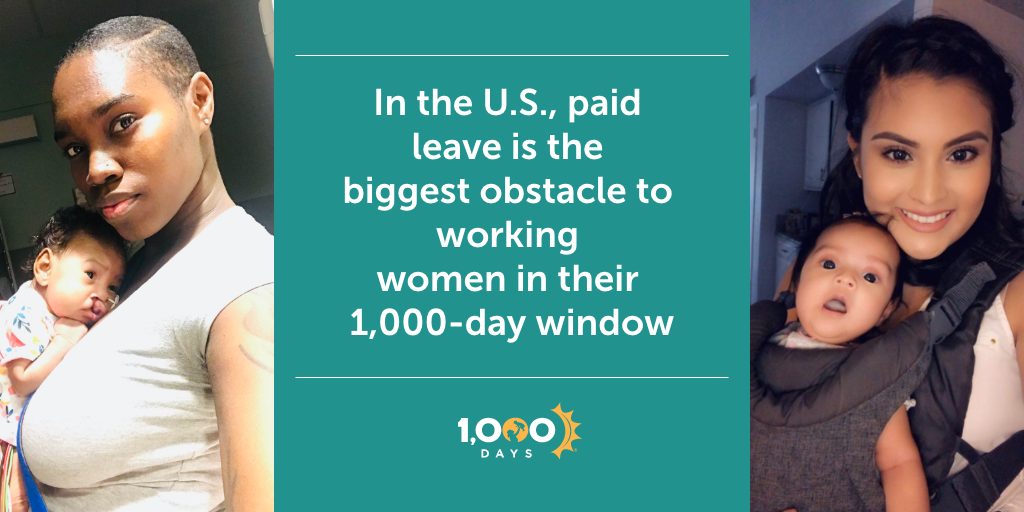

For more about the report, our work with paid leave and how you can help, visit here.

Furthering Our Case for Paid Leave in the United States with Real Stories

Our latest report, Qualitative Paid Leave Report 2020: Furthering Our Case for Paid Leave in the United States, is based on a study we commissioned to examine how lack of paid leave affects the well-being of new mothers and their babies, particularly women working in low-wage jobs, and to amplify the experiences of low-wage working mothers in their own words. By interviewing and surveying 20 women in five states that did not require workers to have access to paid leave, we learned about how mothers navigate the experiences, demands and joys of motherhood.

 Overall, the participants in the study grappled with the following experiences:

  • Navigating work schedules, including leave and flex time policies.
  • How the women perceived that work was impacting both mothers’ and babies’ nutrition and feeding, health care and childcare.
  • Changes in the women’s original plans of working (both during their last trimester of pregnancy and postpartum), and why these changes occurred.
  • The impacts these changes had on the women and their families.

This report is complementary to our 2019 report, The First 1,000 Days: The Case for Paid Leave in America. It adds human voices and experiences to a vital policy issue. Examining 20 case studies, we unearthed moving stories that are representative of the trends discovered in our 2019 report.

For more about the report, our work with paid leave and how you can help, visit here.

Imbued With Nutritional Riches: A Black Woman’s Breastfeeding Journey

We know the statistics. We’re familiar with the trends. The organizational one-pagers, mission statements and excerpts already exist. Still, even with a wealth of information within reach, most discussions about breastfeeding rates among Black women tend to overlook evidence-based research, lack cultural competence and ignore our lived experiences altogether.

On the other side of the rainbow, there’s Black Breastfeeding Week, which culminates National Breastfeeding Month each year, where our firsthand narratives are highlighted and celebrated. We raise awareness to #ReviveRestoreReclaim Black women as nurturers who have nourished a nation forward, one latch at a time.

This is my story…

Hand in hand, my husband and I journeyed happily toward parenthood. We marveled as the two of us evolved into Mom and Dad. My husband had the grand idea that we should wait until the delivery to find out the sex of our baby and I was all in after confirming that he wasn’t just trying to save money by skipping out on a gender reveal party. For Baby Mitchell, as we affectionately called our growing child, there were four things that I looked forward to most:

  1. That s/he be a healthy, happy baby
  2. That I have the honor of being the one who teaches my baby to read
  3. That s/he gets to visit Walt Disney World during the early years
    I was born and raised in Orlando, Florida — This is a necessary rite of passage!
  4. That s/he breastfeeds for at least the first year!

Oh, I read just about every published article, Pinterest post, comment board and paperback book in preparation for this great journey. My husband and I signed up for classes, watched endless video tutorials and sifted through the web to find a lactation consultant who could provide postpartum support and assistance, if needed. I even chose a Baby-Friendly hospital to birth my child.

Well, the time had come and after 47-hours of labor, my darling son was delivered at 8:02 a.m. on Christmas Day. He latched shortly thereafter and I was delighted as my body produced a gratuitous supply of colostrum. My little baby seemed to love it and appeared to be receiving just the right amount despite his somewhat-shallow latch at the time. No worries, I thought! This base was covered because upon admission to the hospital, I requested a one-on-one with the lactation consultant though she hadn’t yet met with me. Also, I had already roped in the nurses who were said to be the best at early initiation of breastfeeding, too… Though, none of them ever got around to visiting with me either.

What I received was an electric breast pump and an instruction manual no more than 6-hours postpartum along with endless questions asking “Enfamil or Similac” with the implied notion that my newborn would need one of the two. This was followed by explicit statements indicating exactly what I perceived to be true: Reportedly, my son required infant formula.

I was perfectly capable and wanting to breastfeed but vulnerable and exhausted having just given birth and actively dissuaded by the medical team. Why was this happening? My baby appeared to be well-fed, plus I had already stated my desire and unwavering commitment to nursing. Still, I was being deterred and robbed of the early, critical support that was needed. Now if this were a lone narrative, I could live with that and walk away knowing it was nothing more than an unfortunate encounter with medical professionals who would’ve rather been home on Christmas Morning than at work dealing with a persnickety first-time mom. Shared narratives from a wide range of close mommy friends, though, proved this to be more than just an anomaly or “a few bad apples” scenario. This was a pattern!

To read the full story, visit: https://bit.ly/3ljP672

___

Denys Symonette Mitchell is the Policy & Advocacy Advisor at 1,000 Days and the Founder & Principal of Symonette Strategies & Solutions, LLC, a health policy and strategic advocacy consultancy.  She is also the co-owner and second shooter of M3 | Mitchell Media & Marketing, LLC where she captures life’s candids and memorializes moments with still images.  Denys resides in Prince George’s County, Maryland with her husband and their infant son.

Reflections on the United Nations Draft Global Action Plan on Wasting

Today, an estimated 7.3% (50 million) of all children under five suffer from wasting at any given time and less than 1 in five of them are receiving treatment. In an effort to realize the Sustainable Development Goal (SDG) target of reducing the proportion of children suffering from wasting to <3% by 2030, five UN agencies[1] are developing an updated plan to more effectively prevent and treat child wasting. On March 9, 2020, these agencies released a Global Action Plan (GAP) on Child Wasting. Here, Dr. Steve Collins provides his initial reflections on the GAP. The UN agencies are expected to release a more action-oriented ‘Roadmap for Action’ in late 2020.

Key Points:

  • We have failed to address wasting at a global scale and the coverage of interventions remains extremely low.
  • The GAP attempts to address this failure by moving away from a central focus on treating wasting, to a larger emphasis on prevention.
  • Though he agrees that measures to address wasting should be more holistic and include both prevention and treatment, Dr. Collins argues that the failure to address wasting doesn’t mean that our strategy so far is wrong, just that our system failed to adequately implement it:
    • Global nutrition stakeholders have consistently under-prioritized wasting.
    • The way we deliver treatment to wasted children is not fit for purpose and has evolved little in decades.
  • The GAP is unfocused and provides no vision of how the wide variety of different actors and sectors, in particular the private sector, can be included and harnessed in practical action. Without a clear vision of how this can happen, he fears that little will change and the GAP will be little more than “business as normal”.
  • By ignoring the massive implementation failures at the heart of the system and instead focusing on strategy, the draft GAP fails to grasp a critical opportunity for reform.

Key recommendations for the Roadmap for Action:

  1. Narrow the geographic scope: preventative interventions should be tightly targeted to communities and individuals at the highest risk of wasting, rather than spread homogeneously across the developing world, as this plan appears to suggest.
  2. Implement targeted reform: Instead of fundamentally changing the strategy and massively broadening the range of interventions, focus on fixing what is manifestly wrong with the way we intervene, the coalitions of stakeholders with whom we engage, and the products we use.
  3. Focus on fundamental research: Direct limited research dollars to addressing the most foundational issues first: expanding coverage, increasing impact and improving cost-effectiveness.
  • The research agenda must acknowledge that extremely low coverage is the main factor limiting impact and answer the question: “How do we deliver support to the greatest numbers of children in the most cost-effective manner possible?”
  1. Fully engage both the public and private sector:
  • Private sector: leverage the private sector’s scale, capability and capacity along the entire chain of service delivery, up to and including last-mile delivery to those suffering from wasting.
  • Public sector: focus on ensuring that the services delivered meet the needs of those affected by wasting by improving targeting, transferring entitlements to ensure equitable coverage, and imposing ethical standards to prevent exploitation.

Key Quotes:

  • “The fact that our interventions have failed to attain an acceptable level of coverage is not, per se, evidence of a flawed strategy. It is merely an observation that we have failed. In my opinion, our collective failure to address wasting at scale is not primarily a strategic issue, but rather a failure to execute the existing strategy effectively, and it is a severe indictment of the system charged with doing this.”
  • “We still engage too little (if at all) with affected communities to ensure that interventions are understandable, acceptable and appropriate for them. The market for nutritional products targeting wasting remains non-transparent and dysfunctional, dominated by a single supplier and single customer that is also the de facto market regulator.”
  • “Is ‘focusing’ resources on several billion people who require clean water, better sanitation, universal healthcare, improved food systems and more appropriate nutritional behaviours a cost-effective way to help more than 50 million children affected by wasting each year? I do not think it is and I believe that, by casting the net so widely while ignoring key structural issues that undermine implementation, the plan inevitably turns into an unrealistic wish list.”

[1] The five agencies are United Nations Children’s Fund (UNICEF), World Food Programme (WFP), the World Health Organization (WHO), the Food and Agriculture Organization (FAO) and the United Nations High Commission for Refugees (UNHCR)

As WIC Adapts, Pregnant Women and New Parents Need Congress to Act

As nutrition and public health professionals, we see the direct impact of the COVID-19 pandemic on families in the 1,000-day window. In this time of incredible uncertainty, the Special Supplemental Nutrition Program for Women, Infants, and Children (WIC) provides crucial nutrition and breastfeeding support for pregnant and postpartum women, babies, and young children to age five. Since March 2020, WIC providers around the country have adapted in record time to shift the way they serve families by transitioning from in-person to remote and safe services.

Families are not only dealing with the stress of the pandemic while caring for children but also struggling with job losses and lost income. Every day, new families turn to WIC for support, and today clinics have the option to onboard these families by phone or other remote means.

With the everyday concern families feel about risk of COVID-19 exposure, Congress granted the U.S. Department of Agriculture (USDA) new authority to waive in-person requirements for WIC providers through the end of September 2020. This flexibility has allowed clinics to continue providing vital nutrition, health, and social services to pregnant women and new parents, while keeping WIC families healthy and safe.

Despite the success of these measures, they are currently set to expire at the end of next month. As infection rates continue to climb and states adjust or modify their reopening plans, WIC providers need these flexibilities extended well into 2021. We should not rush to open in-person services until it is safe to do so for both WIC families and clinic staff.  

1,000 Days urges Congress to extend WIC waiver authority until at least September 30, 2021. This will ensure that WIC continues to provide safe and critical support to help families have the healthiest first 1,000 days.