Category: Uncategorized

The Latest Evidence on the Simplified Protocols for Wasting

Background

  • Traditionally, children who had wasting (also called acute malnutrition) were treated in hospitals.
  • Hospital stays were inefficient, expensive, and forced caregivers to leave behind work and other responsibilities.
  • This inefficiency meant very few kids received treatment, which increased the risk of illness and death from malnutrition.
  • Starting in the early 2000s, international aid organizations and national health systems began treating wasted kids at home using packaged, nutrient-dense food called Ready-to-use Therapeutic Food (RUTF). These programs are called Community-Based Management of Acute Malnutrition (CMAM).
  • CMAM programs are more cost-effective than hospitalization and allow more children to get the treatment they need, but the program quality varies and we still aren’t reaching nearly enough children.
    • Inefficiencies in the CMAM model include an arbitrary cutoff between moderate and severe cases which often leads to fragmented treatment, difficulty in reaching Health Facilities on a weekly basis to receive treatment, etc.
  • Today, less than 25% of even severely wasted children receive the treatment they need.

Finding new and better ways to treat wasted children

  • Researchers have recently started looking for new ways to simplify and improve CMAM programs so that they can reach and save more kids.
  • Most ideas for “simplified CMAM protocols” include:
    • Treating all wasted kids with the same product (integrated protocol). In the past, organizations gave different therapeutic foods to kids who were more severely malnourished (SAM) compared to kids who were only moderately malnourished (MAM). New research is showing that it is not only possible to treat all malnourished kids with the same product, but that this can cut down on treatment costs by making supply chains more efficient.
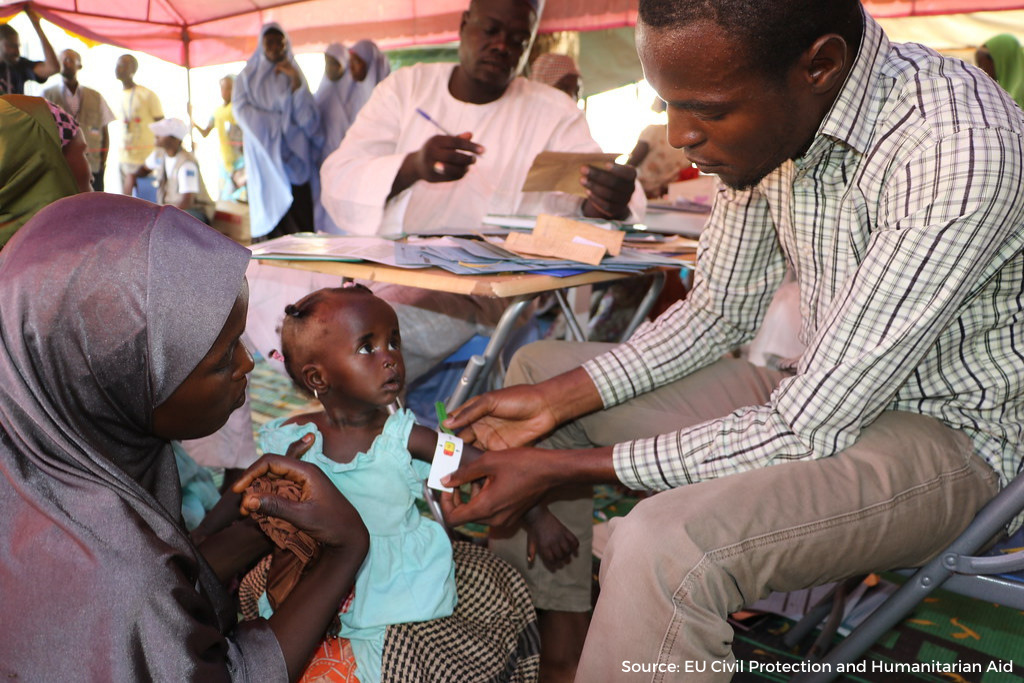
    • Training and empowering parents to screen their own children for wasting at home for malnutrition rather than leaving screening up to healthcare workers who see kids a lot less often.
    • Changing to an easier way to screen for malnutrition (mid upper arm circumference or MUAC) that relies less on fancy equipment which is expensive and harder to use, transport, and maintain (such as the scale and height board needed to measure weight-for-height z score, another way of diagnosing wasting).
    • Simplifying the dosage of therapeutic food so that it is easier for low-literacy parents and healthcare workers to administer.
    • Reducing the amount of therapeutic food prescribed. New research is showing that children might need less therapeutic food to recover than they have traditionally been given. Safely reducing doses can help each shipment of therapeutic food go further and reach more children.

Recent Studies/Evidence supporting Simplified CMAM protocols

  • The Optimising treatment for acute Malnutrition (OptiMA) proof of concept study in Burkina Faso trained mothers to use a simpler way to screen their children for malnutrition and treated all kids – regardless of how malnourished they were – with the same product at a gradually reduced dose. The recovery rate for even the most severely malnourished children was 86.3% – higher than the global standard for successful recovery (greater than 75%.)
  • A recent systematic review found that caregivers can effectively detect severe malnutrition in their kids. On average, caregivers noticed that their children were malnourished earlier and more often than health workers did, which meant children were able to get treatment sooner.
  • A randomized controlled trial in Sierra Leone found that treating all malnourished kids with the same product and using the simpler way of screening for malnutrition an integrated protocol had higher coverage and a higher recovery rate compared to a standard protocol
  • The Combined Protocol for Acute Malnutrition Study (ComPAS) tested how treating all malnourished kids with the same product (a combined protocol for MAM and SAM) compared to the traditional way of treating kids. The study found no difference in recovery rate. The combined protocol was cheaper and just as effective.

Main takeaways

  • There are a number of ways to simplify the way kids are treated for severe malnutrition.
  • This simplification could potentially allow more kids to access high-quality programs which would, in turn, save more lives.
  • A number of studies have shown that simplified protocols have a number of benefits compared to standard treatment protocols, including equivalent or better recovery rates, higher coverage, and lower cost per child treated.
    • Simplified protocol programs:
      • Are more efficient in terms of logistics and supply chain systems
      • Have cheaper administrative costs
      • Reduce the time and equipment required by health workers.
    • Research is still limited and a number of trials are ongoing. More research is needed on how to implement simplified treatment programs at scale and to understand issues around coverage, cost, and supply in different contexts.

References

  1. Briend, A., Collins, S. Therapeutic nutrition for children with severe acute malnutrition: Summary of African experience. Indian Pediatr 47, 655–659 (2010).
  2. Lenters L, Wazny K, Bhutta ZA. Management of Severe and Moderate Acute Malnutrition in Children. In: Black RE, Laxminarayan R, Temmerman M, et al., editors. Reproductive, Maternal, Newborn, and Child Health: Disease Control Priorities, Third Edition (Volume 2). Washington (DC): The International Bank for Reconstruction and Development / The World Bank; 2016 Apr 5. Chapter 11. Available from: https://www.ncbi.nlm.nih.gov/books/NBK361900/ doi: 10.1596/978-1-4648-0348-2_ch11

Launch of a Nutrition for Growth Year of Action

As 2020 nears a close, 1,000 Days celebrates the more than USD$3 billion pledged to fight global malnutrition at the the launch of the Nutrition for Growth (N4G) Year of Action, hosted by the Governments of Canada and Bangladesh in partnership with the Government of Japan. The COVID-19 pandemic has brought the world many, and often interlinked, challenges to face, but we must remain steadfast on the overlooked crisis of malnutrition. Malnutrition continues to be a major obstacle to achieving economic prosperity, is responsible for 45% of under-five child deaths, and can have devasting consequences on a child’s growth and brain development.

The N4G Year of Action launch, which took place December 14, offered an opportunity to highlight the importance of good nutrition, particularly in the first 1,000 days, as the world recovers and rebuilds from COVID-19’s devastating impacts on global malnutrition rates. Early action takers took to the stage to announce bold and inspiring nutrition commitments critical to saving and improving the lives of children, women, and communities. We must sustain and grow this political will as we embark into 2021 and the Year of Action for nutrition.

COVID-19 has already threatened a decade of progress we have achieved in protecting the health and wellbeing of babies and mothers worldwide. The Standing Together for Nutrition Consortium presented new evidence at the event warning that without immediate action, COVID-19 has the potential to cause 9.3 million children to be wasted and 2.6 million children to be stunted. These tragic consequences are entirely preventable through cost-effective nutrition programming such as providing Vitamin A supplementation and ensuring access to proper breastfeeding counseling.

Overall, the kick-off mobilized more than USD$3 billion in commitments from a range of government, donor, multi-lateral, and civil society stakeholders. The Government of Canada committed CAD$520 million of new money for nutrition-specific investments – especially for women and girls; Pakistan re-affirmed its commitment made in November of 350 billion rupees (USD$2.18 billion) over the next five years to address malnutrition and stunting; UNICEF pledged to mobilize an additional USD$800 million in 2021 to accelerate global efforts for the prevention, early detection and treatment of child wasting; and World Vision International committed USD$500 million of private funding to reach more than 1 million women and children by 2025 to prevent malnutrition. This is only a snapshot of the announcements – check out the full details here.

These combined efforts must inspire governments and donors to follow suit with even more ambitious financial and policy investments of their own. The USD$3 billion represents only a fraction of what is needed to bring us back on track to achieve the Sustainable Development Goal 2 of ending hunger and malnutrition by 2030, as well as the World Health Assembly global nutrition targets by 2025. New financial estimates highlight that in order to mitigate impacts of COVID-19 on malnutrition, the world will need an additional USD$1.2 billion per year on top of the USD$7 billion per year called for by the Global Nutrition Investment Framework.

The Government of Japan, host of the 2021 N4G Summit in December, launched their updated Vision and Roadmap for the N4G Year of Action at the kick-off event. This vision calls on all stakeholders to step up to the challenge of ending malnutrition in all its forms and opens the door for leaders to make their ambitious commitments on nutrition throughout major global events next year.

With new funding and greater political will, we can achieve sustainable progress in ending malnutrition in all its forms by 2030. 1,000 Days is committed to work in partnership with all stakeholders to make 2021 THE year of action for nutrition to make this goal a reality.

Statement on Coronavirus Relief Package

1,000 Days is heartened to see progress toward a bipartisan coronavirus relief package. As the leading nonprofit working to ensure that moms and babies have the healthiest first 1,000 Days, we know that families in the U.S. and around the world have been hard-hit by the pandemic. COVID-19 has further entrenched racial, economic and health inequality, leaving more families food insecure and without access to the quality healthcare they need to stay healthy and safe. What we need most is a robust emergency package to ensure USAID can administer vital nutrition and anti-hunger programs. Families must have access to emergency paid sick days and paid leave provisions to care for themselves and their loved ones as the number of coronavirus cases continues to spike. Low- and moderate-income families must have access to quality and affordable healthcare. And vital nutrition programs like WIC and SNAP must have increased funding and flexibility. The 1,000 days between a woman’s pregnancy and her child’s second birthday set the foundation for all those that follow, and healthy moms and babies are the foundation of a healthy society. We do not have time to wait.

Blythe Thomas
Initiative Director
1,000 Days, an initiative of FHI Solutions

Experiences of breastfeeding during COVID‐19: Lessons for future practical and emotional support

Published: September 23, 2020

Publication: Maternal & Child Nutrition

Authors: Amy Brown and Natalie Shenker

Read the original paper here.

Summary:

  • Study looks at the experiences of breastfeeding mothers in the UK during COVID-19 lockdowns.
  • The study wanted to especially understand how the pandemic impacted mothers’ decisions and attitudes on infant feeding.
  • Of the mothers they surveyed, they found: 58.6% were breastfeeding exclusively, 22.5% practiced breastfeeding and formula feeding, and 18.9% stopped.
  • The most common reason people stopped breastfeeding was because they didn’t have enough access to professional support.
  • Of the participants who stopped breastfeeding just 4.7% stated they stopped when planned.
  • Interestingly, participants who stopped breastfeeding were more likely to be told by a health professional that breastfeeding was not safe, despite WHO’s guidelines on breastfeeding during COVID-19.
  • Mothers who described the experience as more positive (42%) were more privileged in their living circumstances – Black and minority ethnic mothers (BAME) were less likely to describe the experience as positive and were much less likely to report having enough practical support to breastfeed.
  • There was a strong relationship between a positive experience and university‐level maternal education, high‐speed Wi‐Fi access, living in a house/ground floor flat, having a private garden and living in an area where it was easy to get out for walks/fresh air.
  • Ultimately, the survey outcomes further confirm that misinformation, separation at birth, and lack of access to physical and early professional support greatly impact mothers’ infant feeding decisions.
  • Some of the anecdotal information also suggests that more time at home with baby gave some mothers a better chance of starting breastfeeding early and sustaining it. This is important to understand for building better paid leave policies and programs to encourage breastfeeding.
  • The paper recommends further studies to better understand how to properly and equitably provide breastfeeding support during a global pandemic.

Key Quotes:

“Newborn lost a lot of weight due to tongue tie and bad latch. Breast feeding class cancelled due to COVID. Husband not permitted in hospital when breast feeding advice was given and I was recovering from giving birth so struggled to take in information. When midwife identified low weight, we were put on a feeding plan with formula and I was advised I may not be able to breast feed. I expressed a lot to ensure I could build up my supply and had very sore nipples. After contacting 111 we thought I had thrush and I was given cream. Turns out I had bad positioning which was identified via video call two weeks post birth. Face‐to‐face support e.g. somebody physically helping you to position and latch your baby is far more effective than a zoom video call on a mobile device.”

“Many participants talked about missing meeting other breastfeeding mothers and socialising in baby groups or out with friends. Sometimes, this was about asking others questions or seeking reassurance, but often, it was just about connection and feelings of community. Many talked about the isolation they felt, which was impacting their well‐being and mental health.”

“I was Lucky to have a Whatsapp group of breastfeeding mothers—that I had met in a baby group pre lockdown. If I had a younger baby and did not have this I would have struggled.”

Useful Facts:

  • Mothers from Black and minority ethnic (BAME) backgrounds were significantly more likely than White women to attribute a lack of face‐to‐face support to breastfeeding cessation.
  • Of the 103 mothers who had a baby in neonatal intensive care unit (NICU), 19.4% were told they could not visit their baby and at the time of the survey completion a majority of these women were no longer breastfeeding.
  • Those who stopped breastfeeding were more likely to associate their breastfeeding experience during lockdown as negative due to a perceived lack of social and emotional support.
  • Participants who felt their experience was positive identified having more time focus, fewer visitor, more privacy, increased responsive feeding, greater partner support, and a delayed return to work as reasons.
  • Of the participants who felt their breastfeeding experiences were a negative, one noted a lack of face-to-face support, lack of social support, stress of caring for other children, intense focus on breastfeeding, and no experience of feeding in public and work as concerns.

What We’re Watching in Congress: Winter 2020

As the end of the year and the close of the 116th Congress are quickly approaching—and COVID-19 cases surge across the country—Congress has a number of priorities to attend to before heading home for the holidays. Here are a few things we’ll be keeping an eye on:

Government funding set to expire December 11:

Following a bipartisan agreement on a Continuing Resolution in the Fall, which delayed the deadline for finalizing Fiscal Year 2021 spending decisions until mid-December, Congress must pass a new funding bill to avert a shutdown. Senate appropriators released the text of their 12-bill spending package earlier this week and House and Senate negotiators hope to reach an agreement on topline spending numbers soon. While the House passed many of their own appropriations measures earlier this spring, top appropriators from both chambers remain far apart on a number of issues. Additionally, while House Democratic leadership has pushed for inclusion of increased emergency spending to cope with the health and economic fallout of the coronavirus pandemic, Senate Republicans and White House representatives have not been receptive. Still, all parties have signaled their intent to pass an omnibus spending package before the December deadline, averting the need for an additional CR and avoiding a government shutdown. 1,000 Days continues to push for the inclusion of a number of key priorities, including vital global nutrition aid to prevent millions of children from going hungry as longtime food security projects are interrupted by the pandemic.

Still no agreement on additional COVID-19 aid:

Despite the House once again voting to advance their proposed emergency spending package, a slimmed-down version of the earlier HEROES Act, House, Senate and White House negotiators have been unable to reach an agreement on supplemental coronavirus aid. In the time since Congress last enacted an emergency spending bill this Spring, millions of Americans have been diagnosed with COVID-19, millions more have lost their jobs or access to vital social safety net services, and the national death toll has topped 250,000. And yet, there has been minimal progress towards a bipartisan agreement. 1,000 Days remains in close contact with coalition partners and allies on the Hill, working to fund vital health and nutrition services and to expand the emergency paid leave provisions set to expire at the end of next month. We will continue to encourage key negotiators to prioritize the well-being of moms, babies and their families as they work towards consensus on this important legislation.

COVID-19 & Nutrition Impact Series: Action Against Hunger global report – The seeds of a future hunger pandemic?

As countries and communities continue to contain and manage the response to the COVID-19 pandemic, we are bringing together resources from the global nutrition community to highlight the nutrition and food security challenges, adaptations, and impacts due to COVID-19. If you are interested in contributing to the COVID-19 & Nutrition Impact Series please contact us here.

Based on information from 25 countries of operation, Action Against Hunger is alarmed at how COVID-19 is impacting food and health systems and the lives of the poorest people. We’ve seen how COVID-19 is exacerbating existing vulnerabilities, including food and nutrition security as well as access to basic services like water and sanitation. The necessary measures to fight against this pandemic have constrained both the movement of essential goods and people as well as disrupted food and value chains. This has led to shortages or a surge in food prices in different countries and regions, directly impacting the livelihood of millions. Fear of contamination within the community and a focus on dealing with the pandemic, is impacting the numbers of those accessing basic health and nutrition services.

Additionally, constraints on humanitarian access to countries already in acute emergency or conflict have limited people’s access to assistance and increased the immediate risks to life.

A fast and concerted human-right based response is needed to strengthen health and social protection systems, prioritise and improve food and nutrition security and to set a long-term strategic vision for a global food system that meets the needs of all. Action Against Hunger urges governments and donors to take every opportunity to work together and make early commitments to tackle hunger and malnutrition this year. Countries must commit both politically and financially to avoid a hunger disaster and support system changes.

Read Action Against Hunger UK’s report – The seeds of a future hunger pandemic?

COVID-19 & Nutrition Impact Series: Concern Worldwide

As countries and communities continue to contain and manage the response to the COVID-19 pandemic, we are bringing together resources from the global nutrition community to highlight the nutrition and food security challenges, adaptations, and impacts due to COVID-19. If you are interested in contributing to the COVID-19 & Nutrition Impact Series please contact us here.

Concern Worldwide is calling for a greater global response to both the health and economic impacts of COVID-19 in the developing world, amid fears that the pandemic will leave over a billion people without sufficient food.

Concern teams in 23 countries are continuing to escalate efforts to support communities and is working closely with governments to maintain consistent messaging on COVID-19 and what can be done to prevent it.

Millions of children are losing out on essential nutrition with schools closed, and many families cannot afford to feed their children as they have lost their income. Providing families with the means to feed their children must be a priority to prevent children from becoming malnourished and to protect their health. Cash assistance to urban communities with no other means of earning a living, or where no social protection system exists, must be prioritised in countries where no state social protection system exists.

Read Concern Worldwide’s policy brief Extremely Poor People Will Go Hungry As COVID-19 Response Measures Hit

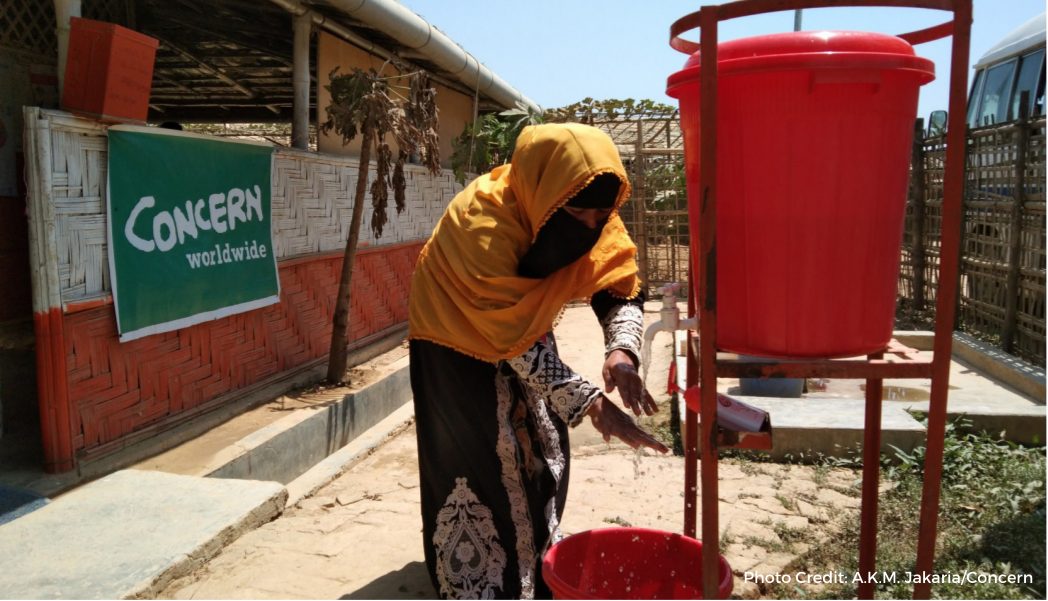
Check out Concern’s country case studies from Bangladesh and Malawi below, as well as some further resources.

Bangladesh

The participants in our data collection highlight that having no income means that people have to change what and how much they are eating. One slum dweller from Chattogram explained how “We can’t light our stove for several days. We are eating bread flour. As there’s no family income, we’re prioritising flour because it’s cheaper. At present it is 30 taka per kg of flour and 50 taka per kg rice”.

The lack of expectation of assistance from the poorest, alongside their non-existent voice and representation is striking across the responses, with an acceptance they are being overlooked because they are the poorest.

Our policy asks include ensuring that families have the means to feed their children to prevent them from becoming malnourished and to protect their health. The cost of doing nothing will be seen in a rise in malnutrition, rolling back recent progress globally. Cash assistance to urban communities with no other means of earning a living must be prioritised; in Bangladesh, cash transfers provide a viable option as the supply market for food, and basic necessities is still functioning.

More details here.

Malawi

We asked about people’s access to food and whether their consumption had changed, with the answers varying considerably based on location. In Lilongwe, everybody highlighted how their eating habits have changed (including reducing the number of meals, and the amounts included in them). This is driven on one hand by reductions in their own ability to earn an income, and on the other by increases in prices in the markets.

The situation is a little more mixed in Nsanje, while all respondents interviewed in the first round of data collection stated that they have had to reduce the amount of food they eat, some highlighted in the second round how things were improving with a fall in the price of maize in the post-harvest period, while others were accessing more vegetables after the harvest. Our respondents in Nsanje do still face challenges however in terms of being able to vary their consumption where they depend on the market, in particular to eat rice, meat and fish.

More details here.

Additional Resources

Concern Worldwide policy brief The Extreme Poor Cannot be Left to Fight Covid-19 Alone

Concern Worldwide technical guidance brief Adapting Community-based Management of Acute Malnutrition in the context of COVID-19

The primary focus of this guide is the management of the outpatient component of Community-based Management of Acute Malnutrition (CMAM). It focuses on health facility level decisions and planning and has a stronger focus on severe acute malnutrition (SAM). The recommendations must be adapted to each context. This guide can also help to build the capacity of the Ministry of Health (MoH) staff and/or to help them develop guidelines of their own if they do not yet exist.

Concern Worldwide research papers – The impact of Covid-19 on the poorest

Concern is conducting research in our programme countries to ascertain the impacts the Covid-19 pandemic is having on the world’s poorest people. A series of research reports from Bangladesh and Malawi.

COVID-19 & Nutrition Impact Series: Adaptations in Management of Child Wasting Amid Covid-19

As countries and communities continue to contain and manage the response to the COVID-19 pandemic, we are bringing together resources from the global nutrition community to highlight the nutrition and food security challenges, adaptations, and impacts due to COVID-19. If you are interested in contributing to the COVID-19 & Nutrition Impact Series please contact us here.

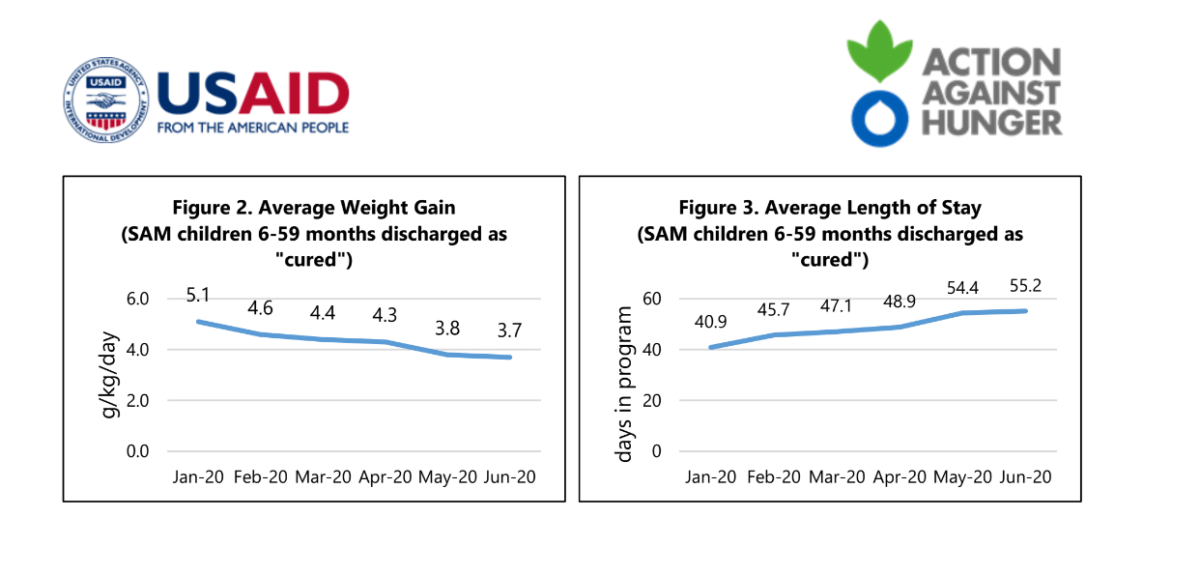
Action Against Hunger USA in Somalia implemented COVID-19-related adaptations to its CMAM programs in March and April 2020, following guidelines provided by the WHO, the Somalia Ministry of Health, and the Nutrition Cluster. These adaptations aimed to minimize the risk of COVID-19 transmission while continuing services for the management of child wasting. In addition to IPC measures, Action Against Hunger reduced the frequency of follow-up visits to minimize the risk of overcrowding at nutrition sites. OTP follow-up visits shifted from weekly to biweekly, and TSFP follow-up visits shifted from biweekly to monthly. Family MUAC was also scaled up to promote continued early identification of malnutrition cases. Reported challenges include procuring sufficient essential supplies, particularly in the context of international lockdowns and movement restrictions. Reduced frequency of follow-up visits may impact rate of weight gain and lengths of stay in the program due to less frequent health checks and the potential for families to share the larger rations received among other children in the household. Lessons learned include the need for close collaboration between government authorities, NGOs, and other stakeholders to maximize awareness and acceptance of these changes. Finally, Family MUAC was lauded as a useful approach to enhance community-based screening, support caregivers to take ownership of monitoring their children’s health, and identify and treat malnutrition cases early.”

Download Action Against Hunger USA’s CMAM adaptations Somalia case study here.

COVID-19 & Nutrition Impact Series: Reaching Ugandan Farmers During the COVID-19 Crisis

As countries and communities continue to contain and manage the response to the COVID-19 pandemic, we are bringing together resources from the global nutrition community to highlight the nutrition and food security challenges, adaptations, and impacts due to COVID-19. If you are interested in contributing to the COVID-19 & Nutrition Impact Series please contact us here.

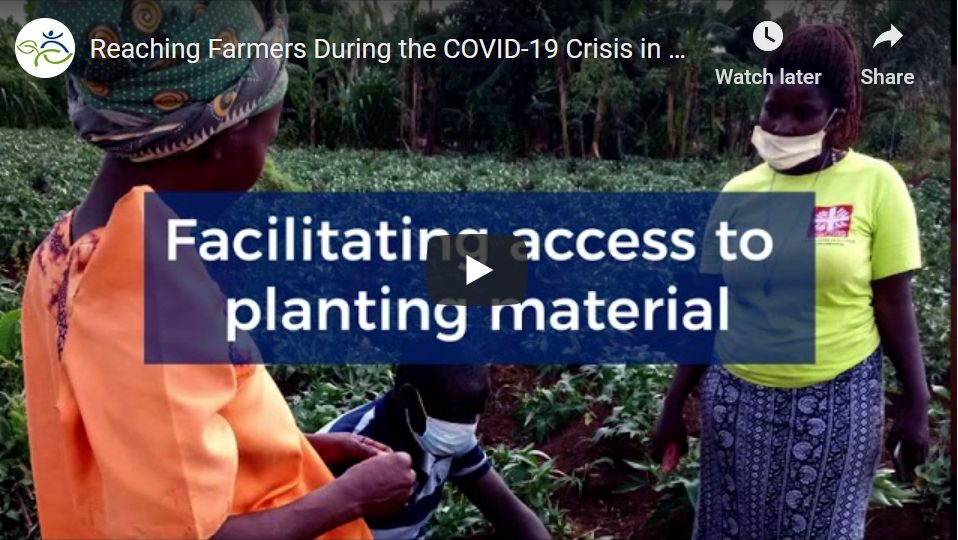
HarvestPlus has been working in Uganda since 2006, improving the lives of Uganda’s smallholder farming families through better food and nutrition security, and better livelihood opportunities. Lockdown restrictions due to the COVID-19 pandemic posed immediate challenges to HarvestPlus’ work, so the Uganda team and its delivery partners quickly took action to ensure support for farmers met the restrictions and guidelines provided. HarvestPlus and its partners were able to reach the most vulnerable with nutritious staples foods.

Read HarvestPlus’ blog – Reaching Farmers During the COVID-19 Crisis in Uganda

The Latest on Paid Leave with Vicki Shabo, Better Life Lab

We chatted with Vicki Shabo, a Senior Fellow for paid leave policy and strategy with a Better Life Lab at New America about the latest on paid leave. Watch the interview between Nell Menefee-Libey from 1,000 Days and Vicki about paid leave in the context of the pandemic and what families need to keep themselves and their communities healthy right now.

A transcript of the conversation is shared below.

0:02 NELL Q Hello folks. I am Nell Menefee-Libey at 1,000 Days and I am here with Vicki Shabo, a Senior Fellow for paid leave policy and strategy with a Better Life Lab at New America.

0:14 And we’re here to have a quick conversation about paid leave in the context of the pandemic and what families need to keep themselves and their communities healthy right now.

0:26 Vicki, if you can talk a little bit about what kinds of leave people have access to right now to keep themselves healthy.

0:35 VICKI ANSWER Thanks for having me Nell.

0:37 I think 1,000 Days is such a great organization and is such an important part of the wealth of organizations that are fighting for paid leave and for moms and for parents and workers of all kinds.

0:50 This pandemic has really laid bare the challenges that families face, and especially that mom’s face in providing care for their families. And, you know, this isn’t a new issue. Just 20% of the workforce has paid family leave to care for any child or a seriously-ill loved one.

1:11 Just about 40% has access to longer-term paid medical leave for themselves through an employer, provided paid leave, paid short-term disability policy.

1:20 And, even still today, there’s about 20% of workers, more than 20% of workers that don’t have access to a single paid sick day.

1:29 And, each of these types of leave is less commonly available to people who are on the front lines of this crisis: the folks who we’re calling essential workers and the people that have had to show up every day.

1:41 And we’re seeing the ways in which the systems that are around us, whether it’s child care or schools, really serve a key function in terms of the care getting that families need.

1:54 Whether it’s for a child or in the case of adult care.

1:58 And so, the pandemic has really laid bare, the fact that whether somebody has access to paid sick time or any type of paid time off or longer-term paid family leave is really a function of what often is called the Boss Lottery. Whether you happen to be “lucky enough,” and I put that in air quotes, lucky enough to work for an employer or a company that values you enough to give you paid time off and to make sure you have paid time off.

2:23 Obviously now there are big public health consequences, as well as real practical challenges for a family, whether folks are dealing with Coronavirus in their families, or the risk that they’ve been exposed to somebody for their childcare needs.

2:38 And that really spans the range of people and jobs. So this is a long way of answering your question, but I think it speaks to just the sort of patchwork that workers have when it comes to access to paid leave.

2:55 And so it’s impossible to say what somebody has access to, because everyone’s situation is so different.

3:02 There are, there are a few states that have paid family and medical leave programs in place.

3:08 There are a slightly larger set of states and cities that have paid sick time laws in place.

3:15 And the federal government, and I know we’ll talk about this in a bit, but the Federal government for the first time passed a very limited paid sick time and paid childcare leave program for the pandemic.

3:27 And it’s about to expire. … We can talk more about that. But I think it’s impossible to say if somebody, one person might have access to unlimited leave through their employer, but they might feel scared to use it.

3:40 Other folks might not have any time at all, and for months now have been cobbling together care arrangements for a newborn or for an older child or family member. So it’s hard to say.

3:53 But I think the pandemic really just has shown that everybody is sort of forced to figure it out for themselves. And it’s been an unsustainable situation for too long. And we’ve seen how this situation has created a mass exodus of women from the workforce.

4:11 Just in the month of September alone, 865,000 women left the workforce. That was 80% of all people who left the workforce and one of the primary reasons they had to do that is caregiving.

4:23 NELL Q Yeah, exactly. And you mentioned that the federal government did pass some sort of emergency provisions to help out families in this crisis, but they weren’t as broad or didn’t cover as many folks as we originally hoped. Can you expand on that a little bit?

4:41 VICKI ANSWER Yeah so at the very beginning of this pandemic, in March, the middle of March, Congress passed what was called the Families First Coronavirus Response Act.

4:50 And for the first time ever, it included a guarantee of 10 paid sick days for somebody who is quarantining or isolating or seeking a diagnosis for the coronavirus; somebody who has to care for a loved one in that situation; or somebody who needs to care. For a child, who’s out of school or care, then it included an additional … 10 weeks of leave to care for a child who’s out of school … so that parents could have up to 12 weeks at very partial pay.

5:21 But the problem was that this only applied to workers and businesses with fewer 500 employees, which excludes about half of the workforce …

5:32 It also provides exceptions for healthcare workers, or people who worked in healthcare facilities and for emergency responders, where employers could just say, “Sorry, I’m not going to give you this leave.”

5:46 And it included for parents… in particular, for this audience, the ability for small businesses – businesses with fewer than 50 employees – to say, “I’m sorry you can’t use the childcare leave, because it will hurt this business.”

5:59 And the Department of Labor then narrowed this law even more to write very broad exemptions – the health care worker, one, for example, actually was struck down by a court, and D.O.L. needed to revise it.

6:11 And it included very limited definitions of when somebody could invoke their right to use this.

6:18 And again, it doesn’t cover workers in larger companies and so that means that the grocery workers and fast-food workers, and Wal-Mart … and Target and Amazon, all of these folks who have again been the ones who have been essential to … everyone who has been working from home like we are.

6:37 Their ability to keep going, it’s really created a big problem and it’s created public health risks that have exacerbated this pandemic. It’s just one further example of the ways in which we really haven’t had a cohesive and effective response to the virus here.

6:55 NELL Q Yeah, and the patchwork creates a difficult situation where people don’t know what they have access to, or what they are entitled to under the law. … So technically, even people who have leave are not in a position to take it.

7:10 Yes.

7:11 VICKI ANSWER And I’m so glad you brought that up, because one of the other big problems was that the Department of Labor did some FAQs for employers and employees, but really didn’t do much outreach or education. And so, as a result, there’s some research that shows that fewer than 50% of workers knew about, or thought that they were eligible for this leave.

7:30 There’s some preliminary evidence that the businesses who were able to seek reimbursement from the government are providing this leave didn’t actually claim the credits or haven’t claimed credits at the rate that was expected. And so there are questions about (whether) employers are providing this. Are they not applying for the reimbursement? Do workers not know that they’re eligible for this leave?

7:54 Then there are just… the stories of people who have been denied and you know this is again a real problem from the caregiving perspective, from a health perspective and from a family well-being perspective.

8:08 NELL QUESTION Yeah. And we know that it’s the health of families that really takes the hit for congressional inaction.

8:14 NELL QUESTION And clearly, this isn’t sustainable. Obviously, 1,000 Days has been advocating for comprehensive paid family and medical leave for a long time, as have you clearly. So as Congress debates further action in response to the pandemic, what are some provisions that you’re hoping to see?

8:33 Yeah, first and foremost, these emergency provisions that I described expire on December 31st.

8:40 Now, that may have been a reasonable goal back in March when nobody knew how long this would drag on or how … ineffective the government’s response would be.

8:56 But it’s obviously not a reasonable end date to end the need for paid sick time or paid leave.

9:04 We’re heading into a winter that …we’re seeing unprecedented illness rates, and we’re seeing death’s rising again. Schools are still on hybrid.

9:15 Our virtual schedules, the child care industry is really suffering and needs investment very, very quickly, otherwise, childcare slots are going to permanently disappear. So this is something that needs attention immediately.

9:31 Of course, Congress has not passed another relief bill despite efforts to try to do that since May. But what was included in the Heroes Act, which passed the House in May and passed the House again this Fall, was a provision to expand and extend … this emergency leave.

9:51 So, instead of having the carve outs that I talked about, the large business carve out, and the different exemptions for categories of workers, the law would apply to all workers in all in all types of workplaces.

10:04 It would continue to apply to self-employed people, which I didn’t mention before, but it’s a really important provision.

10:11 It would apply in a greater variety of circumstances for 12 weeks.

10:15 So both for those short-term paid sick days that somebody might need just to figure out whether they’re sick, or for longer-term family and medical leave, which as we’re seeing people who do get, get the virus often have longer-lasting effects and may need more time off.

10:30 It would apply to people who are caring for an adult whose place of care is closed or unsafe, as well as for a child whose place of care is closed or unsafe. It improves on the wage replacement, that’s offered for the family caregiving, which the original bill made too limited and maybe part of the reason why people aren’t able to use the leave that’s provided.

10:51 But, this is the first thing that needs to happen: to expand and extend these emergency provisions, at least through the end of 2021.

10:58 Then, what needs to happen is that it’s way past time for this country to adopt a permanent paid family and medical leave policy, and a permanent standard of paid sick days. The election outcomes, as we’re speaking, (are) still sort of up in the air with respect to Congress.

11:16 However, these are common-sense policies. They have overwhelming bipartisan support among the public for …years.

11:25 And this pandemic has just shown that we weren’t prepared for the health, economic, and caregiving challenges, and creating a national Paid Family Medical Leave Program with guaranteed access to paid sick time, building on what States and cities have done, really needs to be a critical priority for the next administration and Congress …

11:47 NELL QUESTION And the pandemic has also really revealed that the families that are already in the most precarious situations are the ones who suffer the most from these consequences.

11:57 Absolutely. Yeah, I actually just did some analysis in 10 years of Bureau of Labor Statistics data looking at how access to Paid Family Leave has increased from 2010 to 2020.

12:10 And what I’ve found was that, overall, there was a 10% point increase in access, from 10%, to 20% of workers, which of course is completely inadequate. For the lowest-wage workers, access only increased by 2 percentage points, from 3% to 5%.

12:26 For the average worker, it will take until 2100 to have access to Paid Family Leave if we don’t do anything based on that rate of change. And for the lowest-wage workers, obviously, it’s going to take much, much longer for that. So, we can’t wait any longer the inequalities that exist in access to paid leave and paid sick time by race, by job type and by income level are completely unsustainable and… bad for health, bad for economic security, bad for poverty, bad for self-sufficiency.

13:01 It’s really a lose-lose situation that we’re in on this issue as … so many other priorities that are important for families for their health and their well-being.

13:13 NELL CLOSE Great, well, thank you so much for taking the time to chat, Vicki. I really appreciate it.

13:18 Yeah, it’s been great to chat with you today.