Category: Uncategorized

1,000 Days Submits Comments to USDA and HHS on the 2020-2025 Dietary Guidelines for Americans

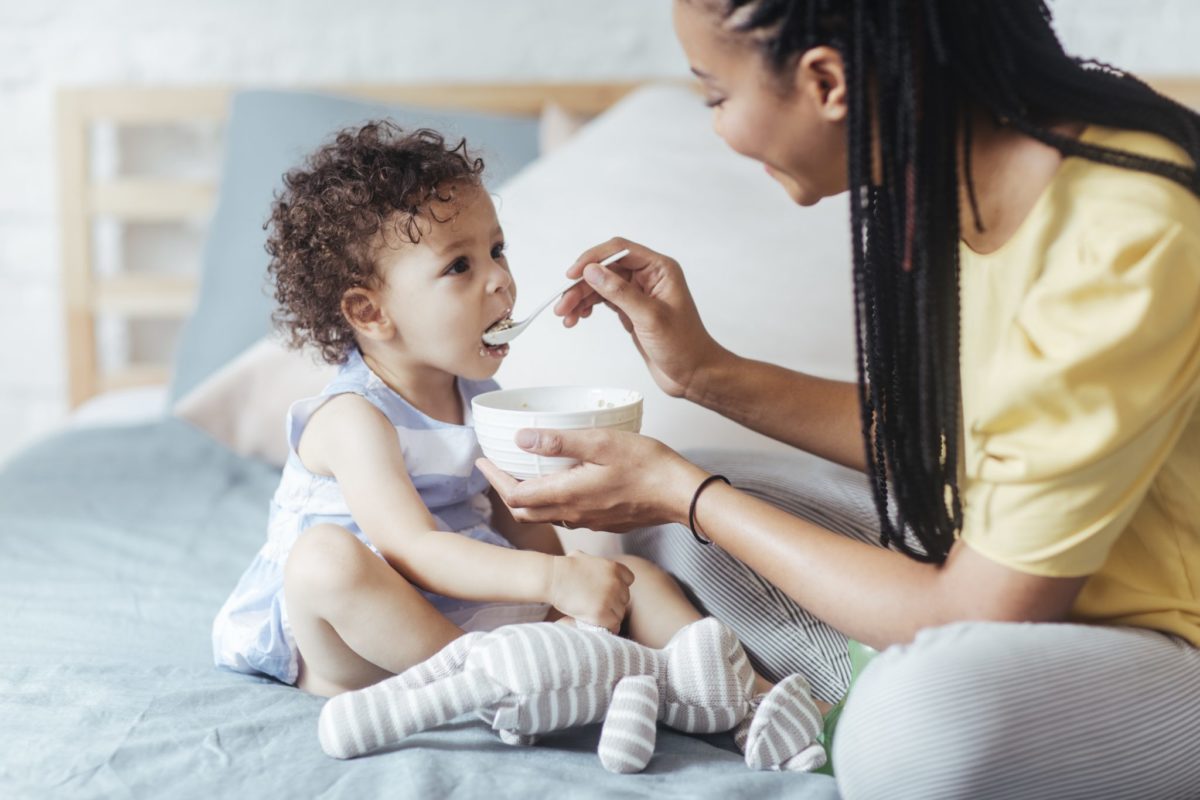
For the first time ever, the U.S. Departments of Agriculture (USDA) and Health and Human Services (HHS) issued guidelines addressing the specific nutrition needs of babies aged 0 to 24 months. In response, 1,000 Days submitted comments emphasizing the importance of exclusive breastfeeding for the first six-months of a child’s life as well as recommendations for complementary foods and healthy drinks for toddlers. Our comments are based on specific, evidence-based research in the fields of neuroscience, biology, and early childhood development to provide powerful insights into how nutrition can shape future outcomes.

For the full comment letter, click here.

Nutrition’s Power 4 and Pandemic Response

By Emma Feutl Kent, Global Policy and Advocacy Manager, 1,000 Days & Karin Lapping, Nutrition Technical Director, FHI Solutions

Last week, a new article in the Lancet medical journal painted a stark picture for us: in the coming months, disruptions to food and health systems caused by the COVID-19 pandemic are projected to cause 6.7 million additional cases of child wasting. Kids who are severely wasted are 12 times more likely to die before their fifth birthday compared to healthy children.

Unfortunately, this projection represents only a fraction of the overall malnutrition-related death toll COVID-19 is likely to cause. Add these additional deaths to the 3.1 million children who already die of severe malnutrition each year – a number larger than the entire population of Chicago – and you have the makings of a global health disaster that may be more deadly than the pandemic itself.

Worse still, the destruction of this malnutrition epidemic will go far beyond the astronomical death toll. For young children, even a short bout of malnutrition can change the fundamental architecture of their brains and have devastating lifelong consequences including susceptibility to illness, disease, and stunted cognitive development. The indirect effects of this pandemic risk the lives and potential of an entire generation.

Now, more than ever, it is critical that we act quickly to implement a targeted package of preventative and curative essential nutrition interventions:

  1. Supplying all pregnant women with prenatal vitamins;
  2. Supporting breastfeeding mothers;
  3. Continuing large-scale Vitamin A Supplementation; and
  4. Providing lifesaving therapeutic foods to wasted children

These four interventions are especially critical today because they are cost effective, backed by research, and implementable at scale. COVID-19 has disrupted the health systems that often deliver these interventions, and it has become much more challenging to access the populations they serve. Fortunately, every day practitioners are finding new and innovative ways to deliver these services in the complex context of this global emergency.

Here is why they are each so critical:

Prenatal Vitamins: supplying pregnant women with a full dosage of multiple-micronutrient supplements (MMS) protects mothers from pregnancy complications and significantly increases the chances a baby will be born at a healthy weight and survive to his or her second birthday.

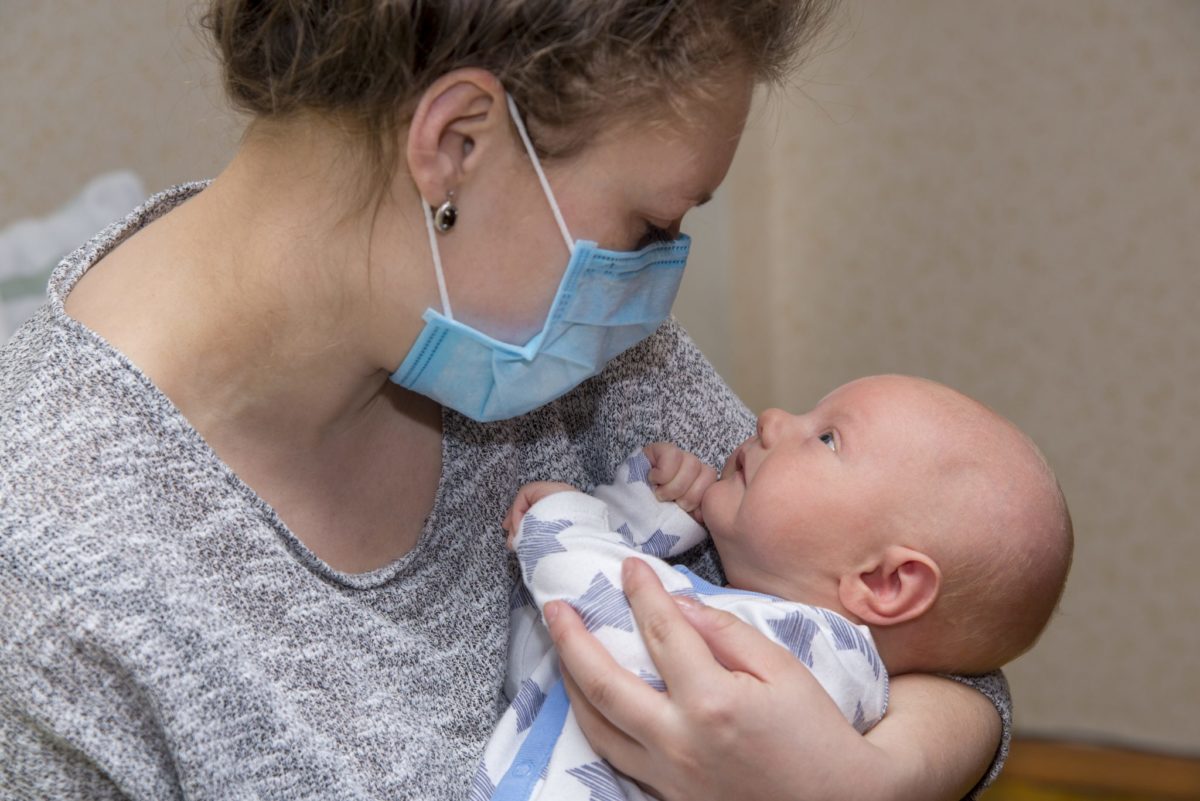
Supporting Breastfeeding: Babies get the best start at life when they consume nothing but breastmilk until they are 6 months old, and continue breastfeeding until they are 2 years old. On top of improving a child’s lifelong health and cognitive ability, breastfeeding also protects infants from illness and disease, which is especially critical in the midst of a pandemic. This is why the United Nations recommends mothers continue to breastfeed, even if they are sick with COVID-19. In the midst of the global emergency, breast milk is also, importantly, both a sanitary and low-cost way to feed infants.

Vitamin A Supplementation: Supplying a child with two high doses of Vitamin A every year is one of the most cost-effective ways to protect children from blindness, diarrhea, and other fatal illnesses. Traditionally, Vitamin A supplementation is delivered along with routine vaccination efforts. In many areas, experts have recommended that Vitamin A supplementation be temporarily suspended during the pandemic due to the nature of how it is administered. It is critical that supplementation efforts resume as soon as it is safe to do so.

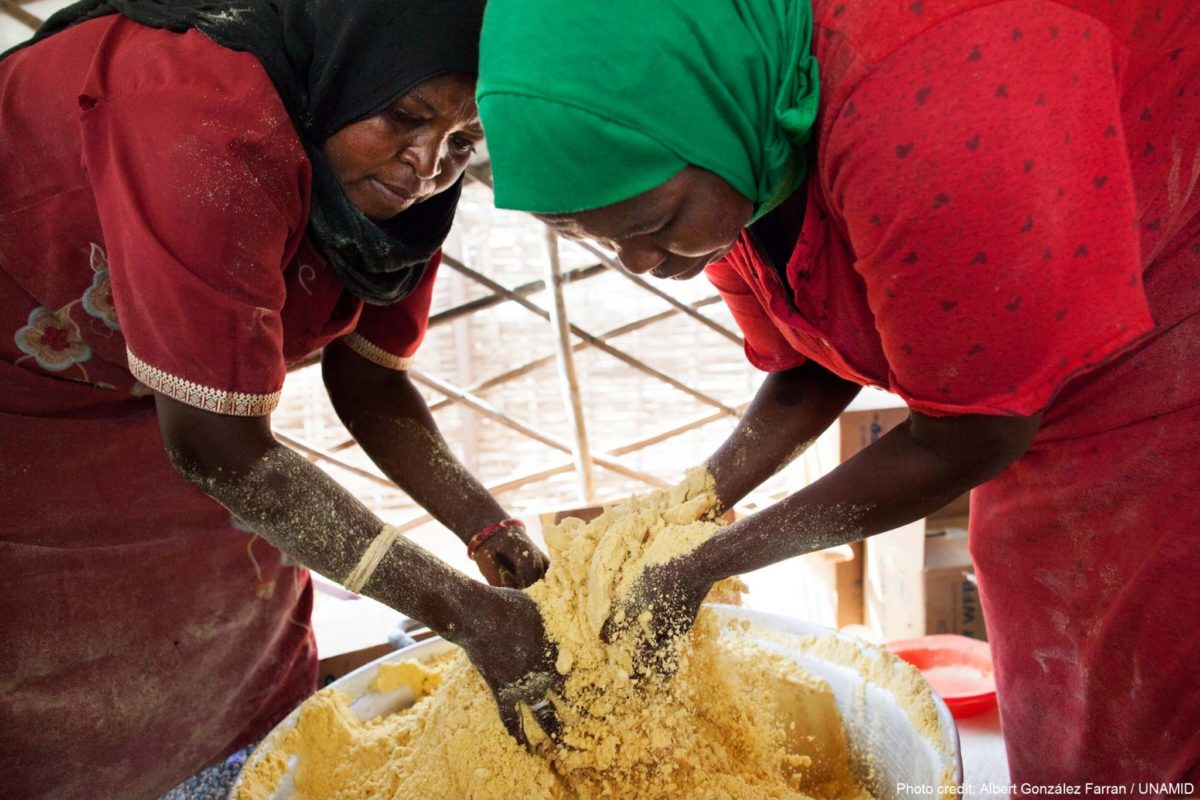
Therapeutic Foods: Some children who lose a dangerous amount of weight become wasted and require treatment through an energy-dense product called Ready-to-Use Therapeutic Food (RUTF) to stay alive. Though the first priority of any nutrition program should be to prevent children from ever becoming malnourished, the pandemic has dramatically increased the number of children who are wasted. Even before COVID-19, the coverage for this essential service was much too low, with less than a quarter of children with even the most severe cases receiving treatment. By pre-positioning stocks of RUTF in places that are projected to suffer the most severe impacts, countries can avoid stock-outs during critical times.

Not only have the interventions on this list been highlighted by USAID and the four largest United Nations hunger-fighting organizations as essential to our global response to malnutrition in the COVID-19 context, but investing in these interventions will also pay dividends for years to come. Around the world, leading scientists and economists have consistently demonstrated that global nutrition interventions are some of the most successful, cost-effective, and scalable development investments, yielding up to $35 in economic returns for every $1 spent.

The United Nations has announced that a minimum of $2.4 billion dollars is needed immediately to roll out an initial package focused largely on these four lifesaving interventions. If we do not act now to roll out this largely prevention-focused emergency package, the cost will be significantly higher down the line.

As the development community responds to the global impact of COVID-19, we cannot allow the emerging and concurrent malnutrition pandemic to be overlooked. The stakes are too high. For the sake of the children whose lives are at risk today, and the entire generation that risks losing out on tomorrow, these interventions are of the utmost importance.

1,000 Days, Bread for the World and CARE Statement to the Candidates for Federal Office

Now more than ever, the political parties and candidates for office must focus on highly effective, science-based solutions to heal a sick country, and must make the difficult decisions to lift up the strategies with the highest return on investment. We have demonstrated that the best bet for investments that will show immediate impact, as well as future growth and prosperity, is one game-changing moment: the 1,000-day window. 

The first 1,000 days between a woman’s pregnancy and a child’s 2nd birthday are a time of tremendous potential and enormous vulnerability. Research in the fields of neuroscience, biology and early childhood development provide powerful insights into how nutrition, relationships, and environments in this window shapes future outcomes. It is why several of the world’s leading economists have called for greater investments in the nutrition and well-being of mothers. With millions more people facing economic crisis as a result of the coronavirus pandemic, now is the time to ensure moms and babies have what they need to thrive – so that we all may thrive, too. 

Specifically, we call on the candidates to include the following policies that:

  • Strengthen and improve federal nutrition programs for all moms and babies who need them;
  • Secure federal paid family and medical leave, enhancing millions of lives;
  • Provide all moms and their young children access to quality, comprehensive health care;
  • Create the environments for all moms to meet their breastfeeding goals; and
  • Invest in the nutrition and well-being of mothers, infants and young children around the world, to curb severe malnutrition and avoid preventable child deaths.

The right investments, the right returns.

From India to Indiana, Kenya to Kentucky, mothers and children everywhere need good nutrition and nurturing care in the first 1,000 days in order to thrive.

Yet too many women and children in the U.S. and throughout the world do not get the food, health care or support they need during this pivotal moment that sets the foundation for all the days that follow. The consequences are often devastating. Globally, hundreds of millions of young children fail to reach their developmental potential, while millions more die every year as a result of malnutrition.

In the U.S., as in many other parts of the world, there are profound health disparities that contribute to unacceptably high maternal and infant mortality rates. And when we fail to nourish strong beginnings, we all feel the consequences—from persistent poverty and worsening inequality, to higher health care costs and weaker economies.

While the roots of malnutrition, disease, stunted development and inequality are often found in the first 1,000 days, so is the opportunity to build healthier and more equitable futures for children, women, their families and societies.

The time is now.

1,000 Days, Bread for the World and CARE, call on the candidates to include in the Party Platform the following policies and programs:

Invest in Federal Nutrition Programs

Too many moms and babies in the U.S. cannot access good nutrition. One out of six households with children under age 6 is food insecure, and one in five infants and toddlers under age 2 lives in poverty. Sadly, these numbers are on the rise as families struggle to cope with the economic fallout of the coronavirus pandemic, and families of color, low-income families, and single-parent households are particularly at risk. Federal nutrition programs play a critical role in helping all families get the nutrition and support they need to thrive, especially during times of hardship.

The Supplemental Nutrition Assistance Program (SNAP) provides nutrition assistance to help protect families against food insecurity. The Special Supplemental Nutrition Program for Women, Infants and Children (WIC) provides nutritious foods, nutrition education, breastfeeding support and health care referrals to low-income women who are pregnant or postpartum, infants and children under age 5. Investments in these programs must be protected and expanded to help ensure that all families in America can thrive. 

Research shows that SNAP is effective in reducing food insecurity and leads to more regular access to food. It leads to improved birthweights, lower risks of developmental delays and better health, and it significantly reduces child poverty. Furthermore, the benefits of SNAP are long-lasting: when young children have access to SNAP, they have better health and improved economic self-sufficiency as adults.

WIC is one of the nation’s most successful and cost-effective nutrition intervention programs.

Research has shown that WIC reduces preterm and low birthweight births; reduces fetal and infant deaths; improves diet quality and nutrient status; increases access to prenatal care in early pregnancy; and saves health care costs.

The Party Platform must affirm its commitment to supporting and strengthening federal nutrition programs, including SNAP and WIC.

Support Paid Leave

The Policy Platform must include a comprehensive paid family and medical leave policy to support optimal child development, improve maternal health, reduce disparities, and enable future generations to live healthier lives.

Unlike in most other countries, in the U.S., parents are often unable to take time off from work to care for a new child, critically ill loved one, or tend to their own medical needs without sacrificing the income they need to support their families. This has profound and lasting impacts on maternal and child health in the United States. Because pregnancy, childbirth and the transition to motherhood can be physically and psychologically demanding, women need time to care for themselves and their health. Paid leave is a critical tool to support healthier pregnancies, better birth outcomes, more successful breastfeeding as well as both physical and mental health in the postpartum period. Additionally, inclusive and comprehensive policies can reduce the inequities in access to paid leave, helping to bridge the racial and ethnic disparities in overall maternal and child health outcomes.

Beyond allowing for physical recovery after childbirth, paid time off from work is essential to providing a strong foundation for mom, baby and their family to thrive. Science tells us that babies’ brains are nourished by time spent with parents and caregivers. Policies that enable parents to spend time nurturing and caring for their babies—particularly in the early weeks after birth and for babies that are born pre-term, low birth weight or with illness—are critical to the healthy cognitive, social, and emotional development of children.

For paid leave to have the kind of impact that will drive improvements to maternal and child health and child development, the policy must: 

  • Provide sufficient time off: Workers need access to a minimum of 12 weeks, but ideally 6 months (24 weeks), of paid leave annually to support the health and wellbeing of moms, children and their families.
  • Cover all employers and all workers: Policies must be inclusive of all workers to ensure they can care for themselves or a loved one. Paid leave must be available to all workers regardless of the size of their employer, the sector they work in, the length of their employment or whether they work full-time, part-time or are self-employed.
  • Ensure equitable economic security now and in the future: Workers should not have to decide between their health or caregiving responsibilities and their job. In addition, workers must retain the right to resume full paid employment after taking leave without fear of discrimination or retaliation. Policies must ensure that taking leave now does not threaten workers’ current or future economic security. 
  • Cover medical and family caregiving needs comprehensively: Any plan should be available for the full range of personal medical and family caregiving needs, such as those already established by the Family and Medical Leave Act (FMLA).

Support Pregnant and Postpartum Women in the Workforce

The Party Platform should include protections for pregnant workers and ensure that they cannot be discriminated or retaliated against for seeking appropriate accommodations.

The care and support a woman receives during her pregnancy has a profound impact on her health and on her child’s health. However, too many women—particularly low-income women and those who work in physically demanding occupations—are put in the impossible position of having to risk their health and their pregnancy in order to continue working so they can pay their bills and put food on the table. When workers are unable to receive necessary accommodations at work or are obligated to forgo their salary during pregnancy, the risk of pregnancy complications increases. Similarly, when pregnant women are pushed out of the workforce, their financial well-being and access to employer-provided health insurance and other benefits are compromised. This can have a long-term impact on a mother’s health and that of her child. 

There is bipartisan support for protections for pregnant workers and we strongly encourage the Party Platform to include a national standard ensuring these protections.

Support Access to Quality, Comprehensive Health Care

The Party Platform should include the mandatory extension of Medicaid from 60-days to 1 year following the birth of a child and authorize coverage of services provided by lactation consultants to focus on the needs and concerns related to breastfeeding. Additionally, coverage must be comprehensive and not limited to pregnancy-related care. This will ensure that women can maintain their insurance and choice of health care providers in order to access their postpartum services.

The protections and support for women must extend beyond pregnancy as significant research has shown the lifelong impacts of co-morbidities during childbirth. Postpartum health care is an opportunity to assess a woman’s physical recovery from pregnancy and childbirth and to address: chronic health conditions, such as diabetes and hypertension; mental health status, including postpartum depression; and family planning. It is a time to provide support and services that she needs, including lactation support. In order for a child to thrive during their first 1,000 days, they need their mother to be supported in her recovery during this period, too. 

Invest in Telehealth & Implicit Bias Training to Improve Maternal Health Crisis

The Party Platform must comprehensively address the maternal health crisis in America to reduce the number of pregnancy-related deaths among Black women.  Too many Black women do not make it to the postpartum period and many more will never see the 1,000-day window as they are two to three times more likely to die from pregnancy-related causes than White women.  

Unlike many other health disparities, Black maternal mortality cuts across zip codes impacting all socio-economic statuses.  Studies have found that implicit bias is one of the main drivers of the unintentional deaths of which 60 percent are preventable, according to the CDC.  Research shows that Black women receive a lower quality of care than White women and that they are treated differently even when they present with the same symptoms, receiving fewer diagnostic and therapeutic interventions and less pain medication, too, even following cesarean deliveries.  In congruence with their peers, Black women should receive health care that is culturally competent and of the highest quality.  Investments in implicit bias training for medical practitioners would help to identify and address this pervasive issue in health care, which would improve patient-provider interactions, health communication and, ultimately, health outcomes.  

Additionally, investment in telehealth would reduce maternal mortality by expanding access to care in underserved areas with high rates of maternal mortality and severe maternal morbidity.  Almost 65,000 Black women die from pregnancy- and childbirth-related causes each year.  These near-misses have lifelong consequences for women’s health, resulting in higher utilization of health services, higher direct medical costs and the need for long-term rehabilitation, including mental health services.  Telehealth could have a particular impact by expanding remote patient monitoring throughout a woman’s pregnancy and during the critical postpartum period.  

Invest in Global Nutrition

The party platform should prioritize global nutrition as a key component of its global health strategy and increase funding for the nutrition sub-account within the global health account at USAID. Severe malnutrition is the number one killer of kids under age 5, killing more children every year than AIDS, Malaria, and Tuberculosis combined and afflicting many of those children who survive with lifelong illness and impaired cognitive development. Around the world, leading scientists and economists have consistently demonstrated that global nutrition interventions are some of the most successful, cost-effective, and scalable development investments, yielding up to $35 in economic returns for every $1 the U.S. spends. 

Yet, despite these strong incentives, nutrition remains drastically underfunded, receiving less than 1% of official development assistance funding. Severe malnutrition stunts potential and wastes lives, but it does not have to. Scaling up proven nutrition interventions will allow children around the world to escape these preventable deaths.

Malnutrition has many root causes, including poverty, lack of education, erratic seasonal crop cycles, climate change, women’s inequality, and poor access to water, sanitation, and hygiene. As the world works to tackle these major challenges, which will help end child malnutrition in the long-term, there are four essential actions the U.S. can take now to prevent children from dying of severe malnutrition:

  • Supply all pregnant women with prenatal vitamins, especially multiple-micronutrient supplements (MMS);
  • Support breastfeeding mothers through one-to-one and group breastfeeding counseling;
  • Continue bi-annual Vitamin A Supplementation, especially in conjunction with large-scale vaccination campaigns;  
  • Expand coverage of specialized foods for treatment including by prepositioning Ready-to-Use Therapeutic Food (RUTF) in vulnerable communities in anticipation of a dramatic rise in cases of wasting as a result of COVID-19. 

The need is greater as we face a global pandemic.

Today, we are learning how COVID-19 disproportionately impacts women, girls and marginalized populations in the U.S. and around the world. Along with staggering mortality rates, the pandemic has led to soaring unemployment, giving rise to a new population at risk. Meanwhile, low-wage workers continue to serve their communities at the “new frontlines” of food service, home health aides, for example – putting themselves at risk without the guarantee of paid leave or health benefits.

In countries that offer more comprehensive support for families — like Germany, France, Canada and Sweden — a significantly larger proportion of women are in the labor force. Yet, in the United States, parents are often forced to choose between taking time off from work to care for their young children and earning the income they need to support their families. In fact, only a small minority of private sector workers in the U.S. — typically those who work in higher paid jobs — have access to paid leave. This means that many women return to work too soon after giving birth, putting their health and that of their infant at risk. Without a mandate for U.S. employers to offer paid leave, 81% of mothers receive no paid time off to care for their newborn child

As the world focuses on the containment of COVID-19, urgent action is needed to avoid the long-term and large-scale impacts on malnutrition and preventable deaths from the secondary effects of this crisis. We have long understood that increased undernutrition compromises immune systems, making bodies vulnerable to virus attacks and impeding recovery. People living with pre-existing medical conditions, and suffering from non-communicable diseases (NCDs, such as obesity, heart disease, type 2 diabetes, and some cancers), appear to be more at risk of developing severe COVID-19 symptoms and have higher mortality rate than other populations.

The COVID-19 pandemic has yet to be reported at scale in some of the most impoverished parts of the world. Government leaders are beginning to sound the alarm on the fragility of health systems, food systems, and economies in many low- and middle-income countries, which already face high rates of severe malnutrition.  COVID-19 will put vulnerable children and families at even greater risk of falling into the vicious intergenerational cycle of malnutrition, ill health, and poverty. For children in the first 1,000 days, even a short bout of malnutrition can have devastating lifelong consequences. The secondary consequences of this pandemic risk the lives and potential of an entire generation. 

In the short term, employment uncertainty, closing of schools, closing of borders, periods of isolation, and widespread sickness has implications for millions of people vulnerable to food poverty. As governments are responding to this health crisis, multi-sectoral nutrition and food security programs must be safeguarded to protect children and families vulnerable to malnutrition. Not only do we want to prevent a protracted nutrition crisis, but nutrition itself will play a role in recovery to help increase immunity and resiliency.
ICYMI: COVID-19 Latest Predictions on Malnutrition Virtual Dialogue

New analyses published in The Lancet have brought sobering predictions of more babies and children dying from preventable diseases, and particularly child malnutrition, as a result of the COVID-19 pandemic. We all must make the time to understand the data; affirm the strategies that have the greatest impact; and unite together to achieve results.

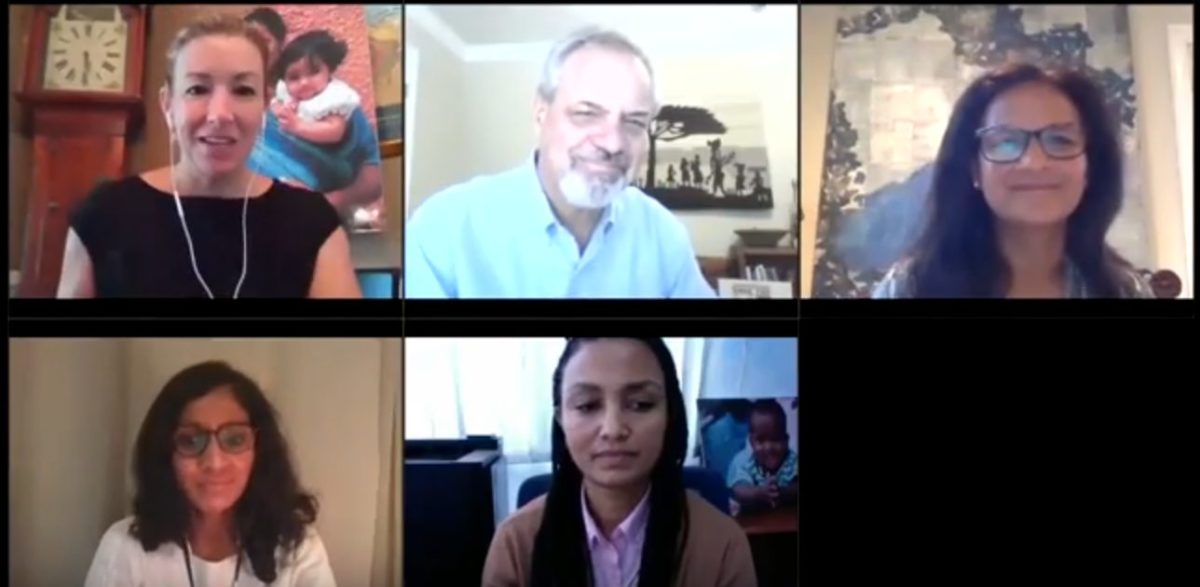
Panelists for the dialogue included.

  • Purnima Menon, Senior Research Fellow at International Food Policy Research Institute (IFPRI)
  • Dr. Meseret Zelalem, Director for Maternal, Child Health and Nutrition at the Federal Ministry of Health, Ethiopia
  • Roger Thurow, journalist, author and Senior Fellow of Global Food and Agriculture at The Chicago Council on Global Affairs

Watch a full recording of the webinar below.

Co-sponsored by Bread for the World, The Chicago Council on Global Affairs and 1,000 Days, we heard first-hand accounts from a doctor on the front lines; from a researcher who is a core member of the Standing Together for Nutrition coalition and studying program adaptations in the context of the pandemic; and from a storyteller who will share best practices (and turnkey resources) to bring these stories to life that will inspire our leaders to act.

August is all about breastfeeding

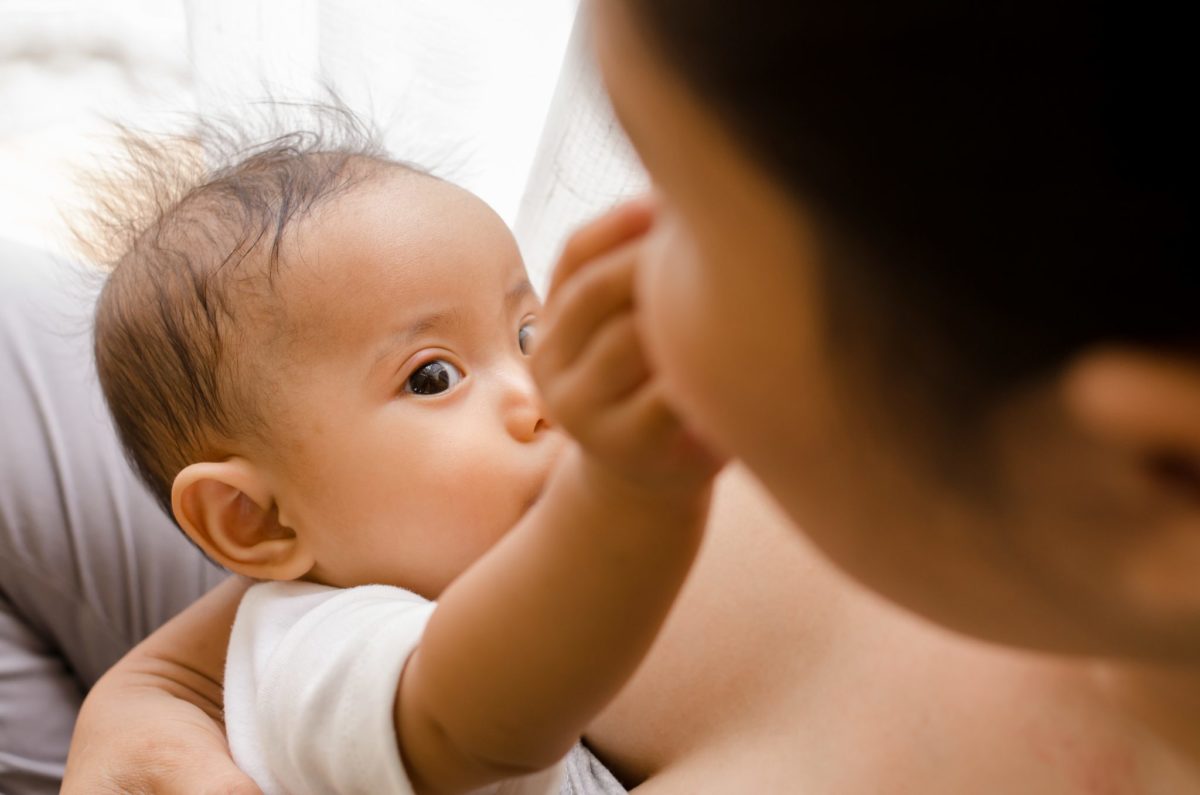
August 1st marks the beginning of National Breastfeeding Month and World Breastfeeding Week, celebrating the importance of breastfeeding in the U.S. and around the world. All month 1,000 Days will be highlighting the amazing benefits of breastfeeding for both mom and baby.

Breastfeeding gives baby the very best start to life — and the benefits reach far into the future. Numerous studies have shown that breastfeeding promotes healthy cognitive and social-emotional development. It also saves lives by helping to protect babies from infections, conditions such as sudden infant death syndrome (SIDS) and diseases like diarrhea and pneumonia. Breastfeeding even lowers a child’s risk of obesity and type 2 diabetes later in life.

Breastfeeding also has powerful health benefits for moms. It helps women’s bodies recover from childbirth and decreases the risk of postpartum bleeding. It also reduces a woman’s risk of heart disease, breast cancer, ovarian cancer, type 2 diabetes and depression.

Successful breastfeeding relies on women having enough time, energy and capacity – but women in every corner of the world face too many barriers to start and continue breastfeeding. In the U.S., about 1 in 6 babies is never breastfed, and more than half of mothers do not breastfeed for as long as they intend to. There are also notable disparities in breastfeeding rates. Globally, less than half of babies under 6 months old are exclusively breastfed – meaning they are missing out on the healthiest start to life.

No one breastfeeds alone. It takes support from everyone – from parents to policymakers, health facilities, communities and employers.

1,000 Days advocates for policies and programs that help women meet their breastfeeding goals, like access to comprehensive, equitable paid family and medical leave for all workers in the United States. Paid leave gives mothers the time they need to establish and continue breastfeeding without the added worry of sacrificing their family’s economic security. And studies show that children whose mothers take longer leaves from work are more likely to be breastfed and to be breastfed for longer.

Breastfeeding is a universal solution that gives everyone a fair start in life and lays the foundation for moms and babies to survive and thrive. We all have a role to play in supporting breastfeeding, and we hope you’ll join us this National Breastfeeding Month as a breastfeeding champion.

To support partners in their social media advocacy this month, 1,000 Days has developed this Inspiration Guide to pump up the volume on breastfeeding. This Guide is a living document of unbranded content and messaging for advocates and all stakeholders to utilize throughout the month of August. We have included messaging and graphics on how breastfeeding supports a healthier planet and content to support the weekly themes of National Breastfeeding Month. Check it out here.

The Next Coronavirus Relief Package: What We’re Advocating For

In May, the House of Representatives passed the Health and Economic Recovery Omnibus Emergency Solutions (HEROES) Act, a $3 trillion coronavirus relief bill that would bolster supplemental funding and expand a wide range of programs and policies impacted by the COVID-19 pandemic. Later this session, the Senate is expected to consider their own supplemental funding bill. We urge Congress to move swiftly and with bipartisan, bicameral support in enacting legislation that ensures women and children in their first 1,000 days have the resources and support they need to have a healthy, thriving future.

1,000 Days is the leading nonpartisan, nonprofit organization working to ensure women and children in the United States and around the world have the healthiest first 1,000 days. We know that the 1,000 days from a woman’s pregnancy to her child’s second birthday offers a window of tremendous opportunity to build a foundation for lifelong health and well-being.  We advocate on behalf of moms and babies for the (1) strengthening and improvement of nutrition programs that support families in the U.S. and around the world; (2) enactment of a federal paid family and medical leave policy; (3) increased access to quality, comprehensive health care; and (4) adequate support for all moms to meet their breastfeeding goals.

Coronavirus has exposed the health inequities and food insecurity faced by many families in the United States and around the world – and women and children have been among the most gravely affected.  Now more than ever, our Congressional leaders must center health and nutrition as an essential, topline priority. Additionally, 1,000 Days recognizes paid family and medical leave as a public health imperative, which the COVID-19 pandemic has highlighted.  Lack of paid leave threatens public health and community wellness, yet the vast majority of Americans do not have access. It is also imperative during this public health crisis that all families have access to affordable, high-quality health care, regardless of their employment or economic status. Finally, we must maintain our role as a global leader in supporting the nutrition and health services of developing countries, which undergirds and directly correlates with their capacity to respond to the pandemic.

To this end, here’s what we’re hoping to see in the next coronavirus relief package. Congress should:

  • Increase funding and flexibility for vital federal nutrition programs like SNAP and WIC, which helps ensure that low income moms, babies and families have access to nutritious food.
  • Expand upon the paid leave provisions established in the Families First Coronavirus Response Act, ensuring that all workers have access to paid, job-protected leave to tend to their own health needs or care for a child or sick loved one.
  • Provide additional funding to states to help provide health insurance to low- and moderate-income families through the Medicaid program and ensure adequate funding for testing and treatment of COVID-19 for the uninsured.
  • Fully fund USAID anti-hunger programs, including the Global Health Programs Nutrition Subaccount, to ensure that COVID-19 does not erase decades of progress in fighting malnutrition and related health conditions.

Here at 1,000 Days, we work to advance a strong foundation for mothers, children and their communities by upholding the well-being of women and children in the first 1,000 days as a policy and funding imperative. We urge Congress to prioritize the needs of moms, babies and their families as they work to stem the public health and economic consequences of this pandemic, in the United States and around the world. We must ensure that families in the critical 1,000-day window have the resources they need to stay fed, secure and healthy, now and into the future.

Health Experts Share Much-Anticipated Recommendations for New Dietary Guidelines

The Dietary Guidelines Advisory Committee (DGAC) released their Scientific Report in advance of the upcoming 2020-2025 Dietary Guidelines for Americans. This report represents a systematic review of all data and research analyzed by the DGAC since commencing their work in early 2019 and provides an important preview of the upcoming guidelines.

For the first time, the 2020 Dietary Guidelines for Americans will include specific recommendations for the diets of infants and children from birth to 24 months of age. This inclusion, along with the guidance for pregnant and lactating women, is critical as the 1,000-day window between a woman’s pregnancy and her child’s second birthday sets the foundation for a child’s long-term health and wellbeing. Access to high quality nutrition during this period is fundamental. 

Today’s Scientific Report includes several important findings on the diets of moms and babies in the 1,000-day window:

  • A woman’s health during her pregnancy is heavily influenced by her pre-pregnancy diet, underlining the importance of developing lifelong healthy eating patterns.
  • A healthy diet during pregnancy reduces the risk for certain pregnancy-related health conditions, like gestational diabetes and hypertensive disorders, and it reduces the risk of preterm birth.
  • Babies who were ever breastfed were found to have reduced risk of overweight and obesity, type 1 diabetes, and asthma
  • No amount of added sugar should be included for a baby’s development
  • Infant and child diets during the 1,000-day window affect their palate and taste for certain food into adulthood.  Children younger than 24-months should avoid consumption of sugar-sweetened beverages, both to reduce risk of childhood overweight and to prevent likelihood of greater sugar-sweetened beverage intake later in life.
  • Food insecurity is a persistent and pernicious threat to healthy development, with more than 6 million American children living in households with inconsistent or insufficient access to healthy, affordable food. Black, Latino, and low-income families, as well as families with young children and single-parent households were more likely to be food insecure

The Committee also noted that, due to a dearth of research on the diets of infants and children before the age of 2, they were unable to establish specific dietary recommendations, but did provide several examples of healthy food patterns for babies and toddlers. 

We look forward to the final Dietary Guidelines, expected to be released by HHS and USDA later this year, and continue to encourage the Committee to ensure these guidelines are based on the best, independent data and research. The health of moms, babies, their families, communities and our nation depend on it.

Systemic Racism is a Public Health Crisis

Why advocacy and aid organizations working to improve nutrition, health, and poverty outcomes for children and families everywhere must join the fight against White supremacy and dismantling systemic racism.

As communities continue to demand justice for the killings of George Floyd, Breonna Taylor, Ahmaud Arbery, Dominique Rem’mie Fells, and countless other Black women and men, our national and global health, economic, and social fabrics are managing the containment and impacts of the COVID-19 pandemic. Black people are facing two crises at once – a health system that has failed to support us and a criminal justice system that continues to marginalize, harm, and kill us. 

We’re witnessing how the lack of a robust, anti-racist approach to policymaking and funding has led to major disparities in health, economic, and social outcomes. This is especially personal because of my profession. At my organization, we’re focused on helping mothers and children have the healthiest 1,000 days, the time between a woman’s pregnancy and her baby’s second birthday, which has tremendous impacts on her family’s and community’s future health and wellness. I have seen first-hand how lack of access to nutritious foods and health services impact nutritional and broader public health outcomes too. 

We see the effects of systemic racism in public health every day. The U.S. is the only industrialized country in the world that doesn’t offer its taxpayers universal health coverage (UHC) – and Black, Latinx, and Indigenous communities face the consequences of this the hardest. Unequal access to adequate health insurance, mental health services, and rising pharmaceutical costs sustain the impacts of racism. This is visible in the lack of robust UHC in countries with high-burdens of disease and malnutrition as well. Strong health and social systems that serve everyone enable individuals to thrive and prosper. But systemic racism has led to disparities in access to these services, which impacts not only the lives of those who need them but also the prosperity of the community as a whole. 

This is why I urge my fellow nutrition advocacy, international development, and global health colleagues to assess how we are approaching our work and whether we’re equipped to do so in an actively anti-racist way. 

Our organizations are complicit in White supremacy as well. Organizations with missions to improve health, economic, and social outcomes for Black and brown communities must be led and managed by the people they are trying to serve! Yet, I continue to see anti-poverty and aid/international development organizations that lack racially-diverse leadership and boards. 

I am a Black Ethiopian-American woman in my 20s and have been working in the advocacy and international development space based in Washington D.C. since college. I am too familiar with what it feels like to be the only Black person, let alone Black woman, in the room. Sometimes my voice and experiences are valued, but often I feel they are either tokenized or my presence in the room is meant to fit a diversity quota. 

This is further perpetuated by the lack of transparency in salaries within organizations, as well as program structures and funding relationships that continue to uphold racist and colonial thinking. How are we supposed to achieve progress on domestic and global goals if we can’t dismantle and rebuild how WE internally conduct our work?

What’s next from here? I propose we H.A.L.T – Hire, Adapt, Listen and Try. Organizations must hire diverse leadership; adapt the current systems and structures; listen to the community they serve; and try harder – it’s nowhere near enough! 

The first step towards being an anti-racist organization is listening, hiring, and fully supporting Black and brown people, especially women, from marginalized communities. This will require honest conversations that go beyond statements – we need action! Donors also need to audit how they program and distribute funding. Community-based solutions live within communities, and we must empower these communities with the resources and funding so grassroots organizations can combat the problems they are facing. 

Unfair systems lead to unequal access, and greater inequities in nutritional and health outcomes. This is evident in the 2020 Global Nutrition Report that brilliantly lays out a frame for how inequities in nutritional outcomes across communities and countries are perpetuated by unfair processes for basic human rights within socioeconomic and political contexts. 

If we truly want to “leave no-one behind” and achieve progress for all, we must understand how White supremacy operates and upholds an unjust environment for public service and global health development. Anti-racism work must be at the forefront of our domestic and global advocacy agendas

2020 Global Nutrition Report: 5 Key Takeaways

Following includes some text verbatim from the Global Nutrition Report, which can be accessed in its entirety here.

The 2020 Global Nutrition Report goes beyond global and national patterns to reveal “significant inequalities in nutrition outcomes within countries and populations.” The 2020 Global Nutrition Report calls for a transformative “pro-equity agenda” that puts people and their basic needs first by fully integrating nutrition into food and health systems. This requires coordinated efforts across stakeholders and scaled-up, sustainable financing to support focused action where it is needed most. This approach would ensure equitable access, because “Everyone deserves access to healthy, affordable food and quality nutrition care.”

The Executive Summary is excellent, but if you have only 3 minutes to catch the highlights, read on. We encourage you to dig deep into the report for the data, analysis and expert opinions rooted in evidence to understand why action on equity is needed to accelerate progress towards ending malnutrition in all its forms

The trend is clear: progress is too slow to meet the global targets. Not one country is on course to meet all 10 of the 2025 global nutrition targets and just eight of 194 countries are on track to meet four targets.

Among children under 5 years of age, 149 million are stunted, 49.5 million are wasted and 40.1 million are overweight. There are 677.6 million adults that have obesity.

Poor diets and resulting malnutrition are among the greatest current societal challenges, causing vast health, economic and environmental burdens.

The better news: there are bright spots. For example, rates of stunting are gradually decreasing over time. And there has been progress on exclusive breastfeeding. More than 42% of infants under 6 months are being exclusively breastfeed (EBF). The report identifies that 41 countries are ‘on course’ for childhood overweight, 40 for wasting and 31 for stunting; 33 countries are ‘on course’ for exclusive breastfeeding, and only 12 for low birth weight.

Pro-equity nutrition action could truly ‘leave no one behind’. Decision-makers and policymakers need to consider how inequities in social protection services, such as housing, education, and clean water and food access, are driving inequities in nutritional outcomes across gender, economic, and geographical contexts. ‘Pro-equity’ nutrition actions include recognizing that variations exist across countries and within countries, across socioeconomic groups and within households; focusing funding and attention on health consequences for the most marginalized; and examining the gender and environmental links across all aspects of nutrition program and policy design. All this will require strengthened governance, support and legitimacy for civil society, and an accountable private sector.

COVID-19 does not treat us equally. Reports like this take months to develop, and the authors did an excellent job preparing a foreword highlighting the global pandemic’s impact. The report states: “People who already suffer as a consequence of inequities – including the poor, women and children, those living in fragile or conflict-affected states, minorities, refugees and the unsheltered – are particularly affected by both the virus and the impact of containment measures. COVID-19 also exposes the vulnerability and weaknesses of our already fragile food systems, as well as wreaking havoc on health systems.” The report calls for strengthened coordination, alignment, financing and accountability.

The Nutrition for Growth Summit is an opportunity we must not miss! “Increased global recognition that governments, businesses and civil society are accountable for healthier and more equitable food and health systems provides an opportunity for us to invest in nutrition to preserve our future.” Over the next two years, there are key opportunities to prioritize nutrition in policy agendas and to rethink our food and health systems. These include the Tokyo Nutrition for Growth Summit (N4G), the 2020 UN Climate Change Conference (to be held in 2021) and the 2021 Food Systems Summit.

The Global Nutrition Report is especially an important body of work for us at 1,000 Days. We know that investing in the well-being of mothers, babies and toddlers pays off big, now and into the future. The first 1,000 days are a time of tremendous potential and enormous vulnerability. How well or how poorly mothers and children are nourished and cared for during this time has a profound impact on a child’s ability to grow, learn and thrive. We stand united calling for greater investments in the nutrition and well-being of mothers, babies, and toddlers as a way to create brighter and more prosperous futures for us all.

New Policy Brief from UN Secretary-General on Food Security, Nutrition and COVID-19

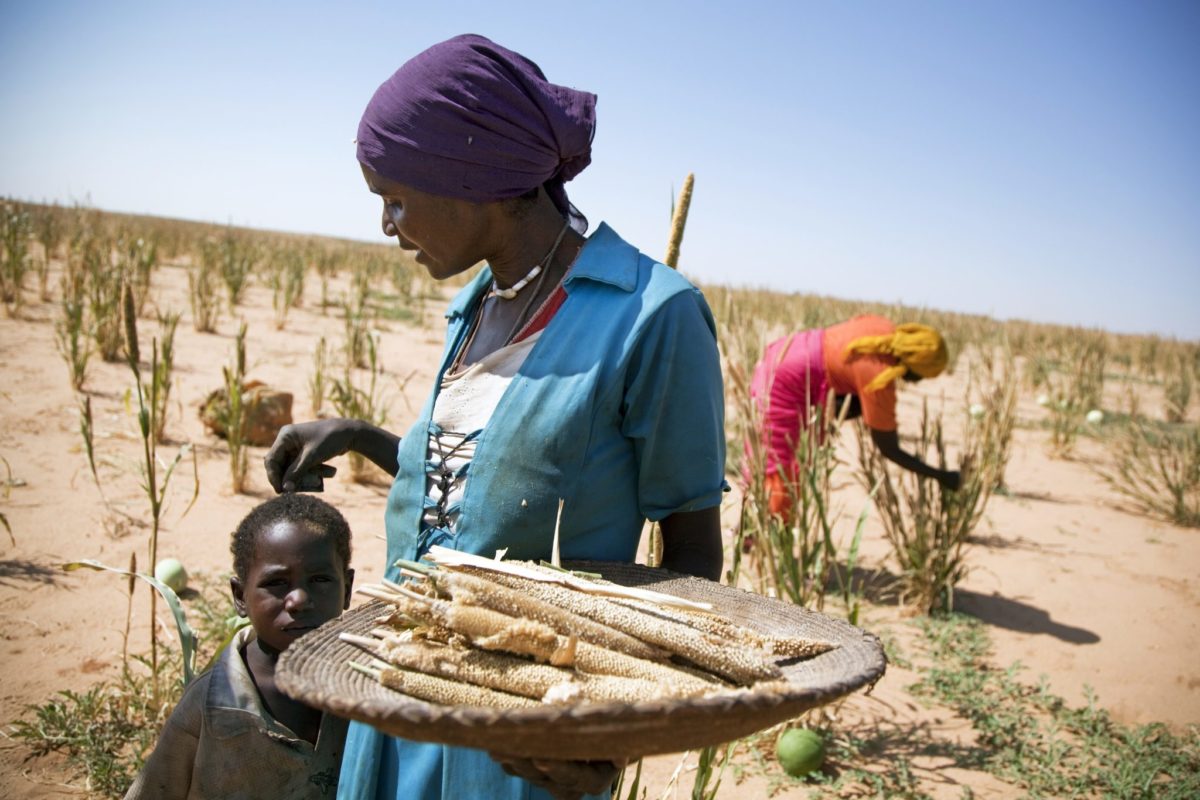
In addition to the needs of mothers, children, families and communities during the COVID-19 pandemic, a food security crisis lingers, threatening the nutrition of millions of people, many of whom were already suffering.

Through efforts to curb the spread, lockdowns are having an economic effect that has led to tightening of credit access to farmers, limited access to transport services and borders to import and export food, and disruptions to regular health services. These constraints have a ripple effect on food production and transportation, leading to a hike in food prices and limiting the populations’ access to nutritious food.

A recent policy brief from the United Nations Secretary General Antonio Guterres examines global food insecurities and suggests priority actions that address immediate and long-term needs to build resilient food systems that will improve nutrition for our most vulnerable populations.

Key takeaways:

  • More than 820 million people already classify as food insecure. COVID-19 has disrupted our food systems, causing an estimated additional 130 million people to fall into this category by the end of the year.  We must take immediate action to prevent a global food emergency and avoid long term impacts for the most vulnerable.
  • Expending near real-time food security monitoring systems will provide timely, improved, and geospatially indicative data to measure the pandemic’s unfolding effects and understand better who is suffering from hunger and malnutrition and where they are.
  • We must invest in food and nutrition programs to protect food access for the most vulnerable by increasing their purchasing power and, where necessary, by directly providing food through government or community-based programs.
  • Strengthening the response for nutritional care can ensure the continuity of nutrition services, particularly the early detection and community-based management of acute malnutrition and infant and young child feeding, as well as related maternal nutrition programs.
  • Accelerated investment and a systems approach to nutrition should be a pillar of the COVID-19 response, aiming for immediate impact to sustain and improve livelihoods, while also preparing for a more inclusive, environmentally sustainable and resilient food system. Investment both during and after the COVID crisis can accelerate movement toward food systems that are more resilient to future pandemics and that offer better protections for all.

We stand behind the call to leaders for immediate action now to safeguard the health, nutrition, and livelihoods of communities everywhere, especially those in their first 1,000 days. With immediate action, we can not only avoid some of the worst impacts but do so in a way that supports a transition to more sustainable food systems that create better health prospects for all.