Category: Uncategorized

COVID-19’s Triple Threat to Gender Equality, Nutrition and Future Potential
By Emma Feutl Kent, Global Policy and Advocacy Manager at 1,000 Days & Robyn Bright, Director of Advocacy at Nutrition International

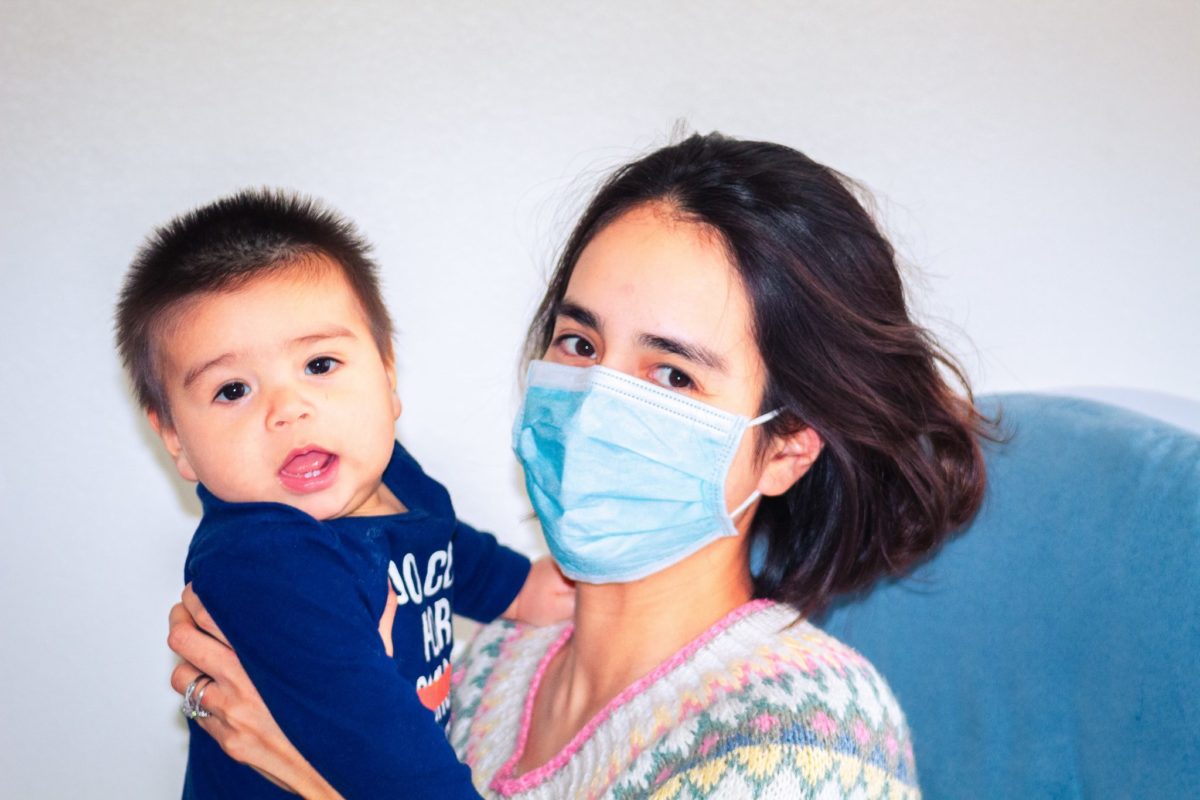
The global COVID-19 health crisis is unprecedented, in both its global scope and devastating impacts. What started as a novel virus soon resulted in global economic shutdown that is creating a malnutrition crisis felt the world over – especially by the world’s poor. For those on the margins, including so many of world’s women and girls, COVID-19 represents a triple threat – to the hard won development and gender equality gains to date, to the survival of women and children whose health and nutrition needs can’t wait, and to the future potential of every child growing up in this catastrophe.

The compounding effects of job loss, economic uncertainty, supply chain disruptions, price hikes, weakened or overwhelmed health systems, and fear of contracting the virus by accessing health services all mean that access to nutritious food and nutrition services are plummeting, with further reductions in services on the horizon. Already, leading health officials have recommended temporarily suspending preventative nutrition measures that stave off mass malnutrition including vitamin A supplementation. Conflicting national guidance and exploitative messaging from breastmilk substitute manufacturing companies have caused many mothers to avoid breastfeeding, even though there is no evidence of transmission danger.

Women, already 50% more likely to face malnutrition than men and boys, will bear the brunt of this crisis. Not only are they less likely to have the economic means to purchase nutritious foods, they are also often the first members of the household to go without nutritious food so that the rest of the family can eat, especially during times of food insecurity.

The coming malnutrition crisis is particularly dangerous because:

  1. Malnutrition increases susceptibility to infection and illness including COVID-19, which puts the world at risk of further outbreaks.
    Undernutrition has long been shown to increase susceptibility to and severity of illness and infection, including respiratory infections such as pneumonia, and is “the primary cause of immunodeficiency worldwide.” Women and children who are undernourished will likely suffer from more serious cases of COVID-19. Similarly, emerging research is suggesting that obesity itself − not just the non-communicable diseases associated with obesity − acts as a comorbidity increasing the deadliness of COVID-19 symptoms.
  2. Malnutrition heightens existing risks to women’s health, especially pregnancy and childbirth, to which overburdened health systems have less capacity to respond.
    Evidence from previous epidemics suggest that COVID-19 will result in a large increase in maternal mortality as quarantine measures, overcrowded healthcare facilities, and fear of infection can cause many women to forego routine antenatal checkups and opt to give birth at home instead of in a health facility.Malnourished mothers are already more likely to die than those who are well-nourished due to complications caused by conditions such as iron deficiency anaemia and the short stature associated with chronic hunger. They are also 30% more likely to give birth to low birthweight babies who are, in turn, much more susceptible to malnutrition and death. The coming increase in home births and decrease in antenatal care will be even more fatal if combined with increased maternal malnutrition.
  3. Malnutrition in the first 1,000 days, even for a short time, can have devastating lifelong physical and cognitive effects.
    During the 1,000 days between a woman’s pregnancy and her child’s 2nd birthday, the child’s brain begins to grow and develop and their bodies set foundations for health throughout their lives. Malnutrition in this period is especially dangerous, resulting in irreversible setbacks including stunted growth, reduced cognitive development, and a predisposition for obesity and non-communicable diseases later in life. Even a short period of malnutrition in this critical time frame can have lifelong consequences that are especially challenging for girls and women who often have fewer opportunities to overcome these setbacks than their male counterparts. The coming malnutrition crisis could put a whole generation at risk.

We cannot allow the tremendous risk malnutrition poses to take a back seat to other COVID-19 response priorities. There are concrete actions we can take today to limit women’s vulnerability to the malnutrition crisis and build resilience against future COVID-19 waves or new pandemics, specifically:

  1. Prioritize good nutrition for pregnant women and young children
    Since the 1,000 day window is such a critical time for the life-long wellbeing of both mothers and children, they will need modified packages of services which include additional supplements and nutritional counselling, especially if the quality of their diets decreases. Once it is safe to gather in person again, intensified catch-up child health days and strengthened routine delivery will be key to ensuring distribution of critical health and nutrition services, including vitamin A supplementation and other Power 4 interventions.
  2. Support good nutrition through food security programs
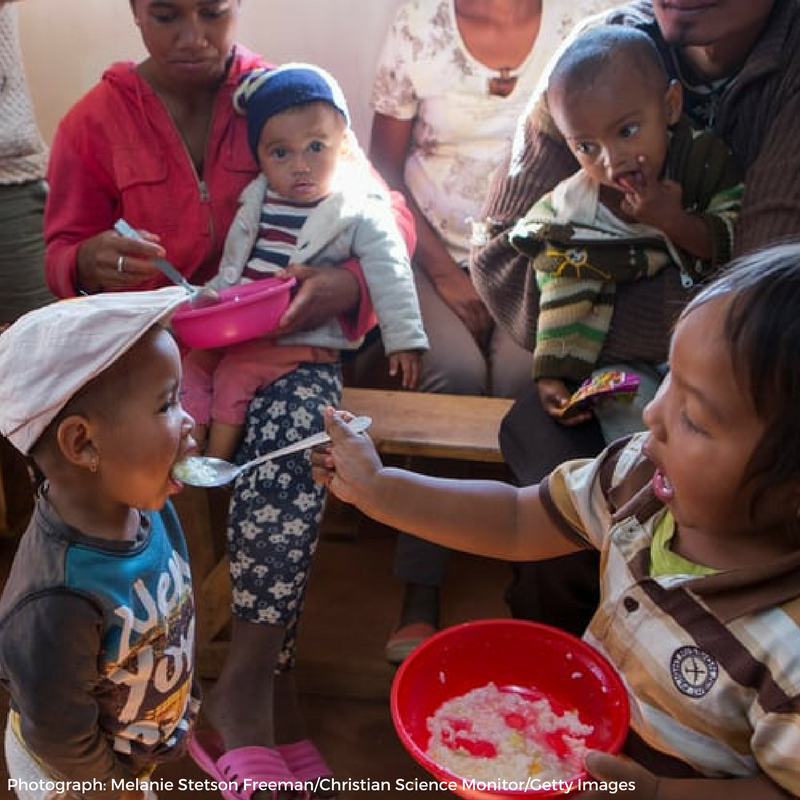
    As the coming hunger crisis becomes more apparent, food security and food aid have been identified as key needs around the world. As countries respond to this need, it is imperative to ensure that all food security and social protection programs make access to adequate nutrition a key program outcome. This can be achieved by including nutrition-related messages where cash is distributed to support household purchasing power and supporting measures to maintain uninterrupted staple food fortification
  3. Advance good nutrition through immunization programs
    When immunization campaigns resume, it will be important to ensure vitamin A supplementation is delivered as part of a likely ramp up of polio and measles vaccine campaigns and future COVID-19 vaccination campaigns. Additionally, vaccine delivery should be used to screen for malnutrition and refer moderate or severe cases.

Implementing these preventative measures will only be possible if countries have the data, analytics, and technical assistance they need to make informed nutrition risk reduction plans and resource allocation decisions. Investing in informed decision making, building evidence, and developing and providing good guidance will help ensure that the allocations made today are based on good practices. For the sake of everyone, but especially for the women and children who will be hit hardest, it is imperative that we prioritize and fund nutrition in COVID-19 response plans today and recovery plans in the future.

What We’re Watching in Congress – June 2020

As the United States passes the tragic milestone of 100,000 deaths due to COVID-19, Congress continues to grapple with how best to address the health and economic consequences of the pandemic. At 1,000 Days, we know that women, infants and young children, while not at highest risk for severe illness due to coronavirus, are extremely vulnerable to the economic fallout. They need short term economic supports and assistance—and a long term investment in the programs and policies that ensure a healthy first 1,000 days.

Here are a few key issues we are monitoring on Capitol Hill this month:

Additional legislation in response to the coronavirus pandemic and resulting economic crisis

Last month, the House passed the Health and Economic Recovery Omnibus Emergency Solutions (HEROES) Act, largely along party lines. This sweeping legislation addressed many of the economic and public health effects of COVID-19 and includes vital funding for state, local and tribal governments to bolster their emergency response. It also includes several important provisions to protect the health and wellbeing of pregnant women, infants and young children, including increased funding and flexibility for the Special Supplemental Nutrition for Women, Infants and Children (WIC) program, expanded SNAP benefits and additional funds for Medicaid. Crucially, the HEROES Act also addresses many of the gaps in the emergency sick and family leave laws established in the March Families First Coronavirus Response Act (P.L. 116-127), which established a national program allowing workers to take paid short term leave to quarantine or care for themselves or a loved one sick with COVID-19, or longer leave to care for a child whose regular place of care was closed due to coronavirus. The HEROES Act expands these provisions so that more workers have access to the job protected, paid leave they need to keep themselves and their loved ones healthy.

Unfortunately, the HEROES Act did not include any additional funding for international human aid, including important global nutrition programs to support moms and babies in the 1,000-day window. Good nutrition is crucial for the development of a healthy immune system and interrupting important global nutrition programming risks extending this pandemic and deepening its effects, especially among women and children.

The Senate now must act on its next stimulus package. Senate leadership have not yet indicated when it will consider more legislation, or what it will include. 1,000 Days urges the Senate swiftly pass legislation that builds on the core provisions of the HEROES Act that support the first 1,000 days, and strengthens it to ensure that families in the United States and around the world have the resources and support they need to stay nourished, healthy and safe during this pandemic.

Slow progress on FY21 Appropriations

Key appropriators in the House and Senate have indicated that they intend to finish marking up appropriations bills before the August recess. In collaboration with many partner organizations, 1,000 Days has urged increased investment in the CDC’s Hospitals Promoting Breastfeeding initiative and in nutrition as a part of USAID’s Global Health Programs, two programs with longstanding, bipartisan support. We expect hearings and negotiations to begin in earnest this month and will continue to work with champions in Congress to ensure these vital programs receive the funding they need.

Growing calls for Congress to address racial injustice

Finally, in the wake of another tragic death of an unarmed black man at the hands of the police, we join the calls for Congress to take up meaningful legislation related to racial inequality and health disparities in the coming days. Sadly, for too many women, the key obstacles to a healthy first 1,000-days are racism and systemic oppression. Women of color, especially Black and Native American women, are disproportionately likely to experience severe complications during pregnancy and postpartum in comparison to their white counterparts, and more likely to die as a result of those complications, regardless of socioeconomic or educational status. Children of color, especially Black children, are more likely to live in food insecure households and less likely to have access to the quality nutrition they need for healthy development. This is unacceptable. 1,000 Days will continue to work with partners and lawmakers to lift up the health consequences of systemic racism and inequality and to work for a healthy, equitable, and more just future for all.

Please find our organizational statement in support of the Black Lives Matter movement here.

1,000 Days Black Lives Matter Statement

We are deeply saddened by the killings of George Floyd, Breonna Taylor, Tony McDade, Botham Jean, Sandra Bland and countless other Black men and women at the hands of law enforcement. In the midst of a global pandemic that has disproportionately impacted communities of color, these tragedies have once again made clear that institutional racism and police violence are threats to public health. We mourn for lives lost, we stand with those who seek justice, and we repudiate racism, injustice and discrimination. 

At 1,000 Days, we state, unequivocally, that Black Lives Matter. We work to ensure that all children, in the United States and around the world, have the opportunity to reach their full potential. For too many families, especially Black families, institutionalized racism and inequality are barriers to receiving the healthy nutrition and support from their communities that they need to thrive. We will continue to amplify the voices of, and fight for, the most marginalized families in our communities, working to ensure the healthiest 1,000 days for moms and babies and a better future for us all.

We are committed to continuing to listen and learn, and to seek more ways to be a force for real and lasting change to build a more just and equitable world.

Early estimates of the indirect effects of the COVID-19 pandemic on maternal and child mortality in low-income and middle-income countries: a modelling study

Published: May 12, 2020
Publication: The Lancet: Global Health
Authors: Timothy Roberton, Emily D Carter, Victoria B Chou, Angela R Stegmuller, Bianca D Jackson, Yvonne Tam, Talata Sawadogo-Lewis, Neff Walker, PhD

Read the original article here.

* While this article covers multiple causes for the increased number of child deaths, this post mainly focuses on the wasting-related projections.

Child deaths per month (figure from page 5)

Summary:

  • Not only will the COVID-19 virus kill people directly, many people will also die because the indirect effects of COVID-19 mean they have less access to high-quality food and healthcare.
  • The study used the Lives Saved Tool to predict what would happen if access to healthcare decreased by three different amounts:
    1. Least severe scenario: Access to healthcare decreases by 9.8–18.5% and wasting increases by 10%
    2. Moderately severe scenario: Access to healthcare decreases by 18.6–39.2% and wasting increases by 20%
    3. Most severe scenario: Access to healthcare decreases by 39.3% – 51.5% and wasting increases by 50%.
  • While all these predictions are based on best guesses, The World Food Programme has warned that the number of people facing food crises could double because of the pandemic, so a 50% increase in cases of wasting is possible.
  • In each of the three scenarios, rates of wasting would increase and more kids would die, but the numbers differ depending on the severity of the scenario.
  • The scenarios would have the following effects on children:
    • Least severe scenario: 253,500 additional child deaths
    • Moderately severe scenario: 447,180 additional child deaths
    • Most severe scenario: 1,157,000 additional child deaths

Of these increased deaths, 18%-23% would be caused by wasting – the single largest cause of child mortality in these scenarios.

  • The authors draw three main conclusions from their work:
    1. When deciding how to respond to the pandemic, governments need to weigh the benefits of social distancing against not only the economic costs, but also the dangers of limiting access to routine healthcare.
    2. In a limited resource environment, policymakers may need to prioritize interventions with the highest potential impact including ready-to-use therapeutic foods for wasting treatment.
    3. Once the pandemic is over, we must restore health services as quickly as possible so that people don’t get out of the habit of seeking out routine healthcare that saves lives and prevents serious health outcomes down the road (*such as severe malnutrition).

Key Quote

“There has been debate around the trade-off between establishing movement restrictions and minimising disruptions to business and economies. Our results show that the indirect effects of the pandemic are not merely economic. If the delivery of health care is disrupted, many women and children will die. Thus, while public health experts are advocating for social distancing, there is also a public health case for ensuring access to routine care.” (Page 7)

“In our scenarios, increases in childhood wasting accounted for 18–23% of additional child deaths. Although our assumptions for this were speculative, we are confident that, if wasting does increase, it will contribute greatly to child mortality.” (Page 7)

Useful Facts

  • Experts predict that 18%-23% of the additional child deaths caused by the secondary effects of COVID-19 will be caused by wasting.
  • If wasting increases by 50%, an additional 50,000 children could die every month.

Beyond wasted and stunted—a major shift to fight child undernutrition

Published: September 11, 2019
Publication: The Lancet: Child and Adolescent Health
Authors: Prof Jonathan C K Wells, PhD, Prof André Briend, PhD, Erin M Boyd, MSc, Prof James A Berkely, FRCPCH, Andrew Hall, PhD, Sheila Isanaka, ScD, Prof Patrick Webb, PhD, Tanya Khara, MSc, Carmel Dolan, MSc

Read the original article here.

Summary

  • Since the 1970s, nutritionists have categorized undernutrition[1] in two major ways, either as wasting or stunting.
    • Stunting as an indicator of being too short for one’s age
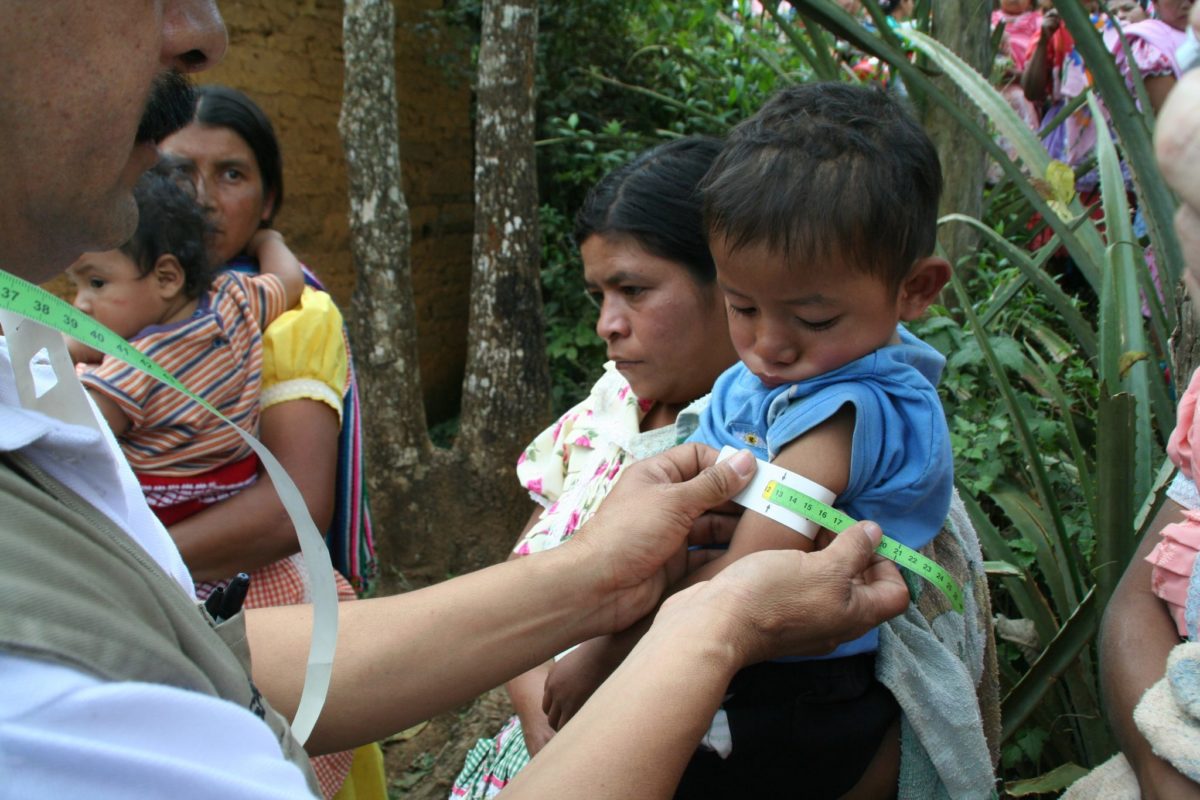
    • Wasting as an indicator of being too thin for one’s height
  • Wasting and stunting are proxies, or signs, for the more complicated less obvious physiological effects of malnutrition.
  • Though categorizing children as wasted or stunted can be useful in identifying at risk populations, it is problematic to use these categories on individual children because they draw an artificial distinction between these two types of undernutrition
  • Because of this distinction, stunting and wasting are often addressed by separate programs/approaches.
  • Recently, research has shown that individual children are at risk of having both stunting and wasting simultaneously or of moving back and forth between the two conditions over time.
  • Wasting is often described as the result of acute episodes of malnutrition, while stunting is portrayed as the consequence of chronic malnutrition. However, stunting and wasting can co-exist over time, so this nomenclature is incorrect.
  • Children who are both stunted and wasted are at a much greater risk of premature death than children who only have one condition.
  • The emphasis on classifying children as either stunted or wasted and then treating them with interventions designed to address one or the other of those conditions doesn’t account for the complexity of the causes and interconnectedness of the outcomes of wasting and stunting.
  • We need to change the way we understand and manage child undernutrition to acknowledge that individuals can experience both conditions at the same time.

Specifically:

  • We need more research on the relationship between weight and height faltering and how the interaction between the two increases a child’s susceptibility to death and long-term disability, including looking at the role a mother’s nutrition plays in her child’s weight and height.
  • We need better ways to predict, identify, and monitor children at risk of weight and height faltering, not just those children who currently are wasted or stunted.
  • We need to evaluate preventative and therapeutic interventions to ensure that they address the diverse causes and individual biological processes that result in undernutrition.

Key Quote

“We argue that these views [about the distinction between stunting and wasting] have become entrenched, leading to the separation of these outcomes in terms of policy, guidance, programme interventions, and financing: at the individual level, acute and chronic undernutrition are now viewed as separate conditions, and are routinely reported as distinct outcomes among policy makers. What is poorly recognised is that the anthropometric indices used to categorise individual children as wasted and stunted are only superficial proxies for the physiological and functional consequences of the underlying processes of undernutrition.”

Useful Facts

  • Globally, 15.9 million children worldwide are experiencing being both wasted and stunted.
  • Children who are both wasted and stunted have the same risk of dying as children with the most severe form of wasting.
  • Initial research shows that being wasted increases a child’s risk of stunting.
  • There is little evidence to support the concern that intensive use of therapeutic foods to treat wasting in stunted children will pre-dispose these children to obesity later in life.

[1] Defined by the WHO as the outcome of insufficient food intake and repeated infectious disease

Twitter Chat – Protecting, Promoting & Supporting Breastfeeding In the Time of COVID-19

Please join us for a Twitter chat on Protecting, Promoting & Supporting Breastfeeding In the Time of COVID-19. Details below.

Overview:
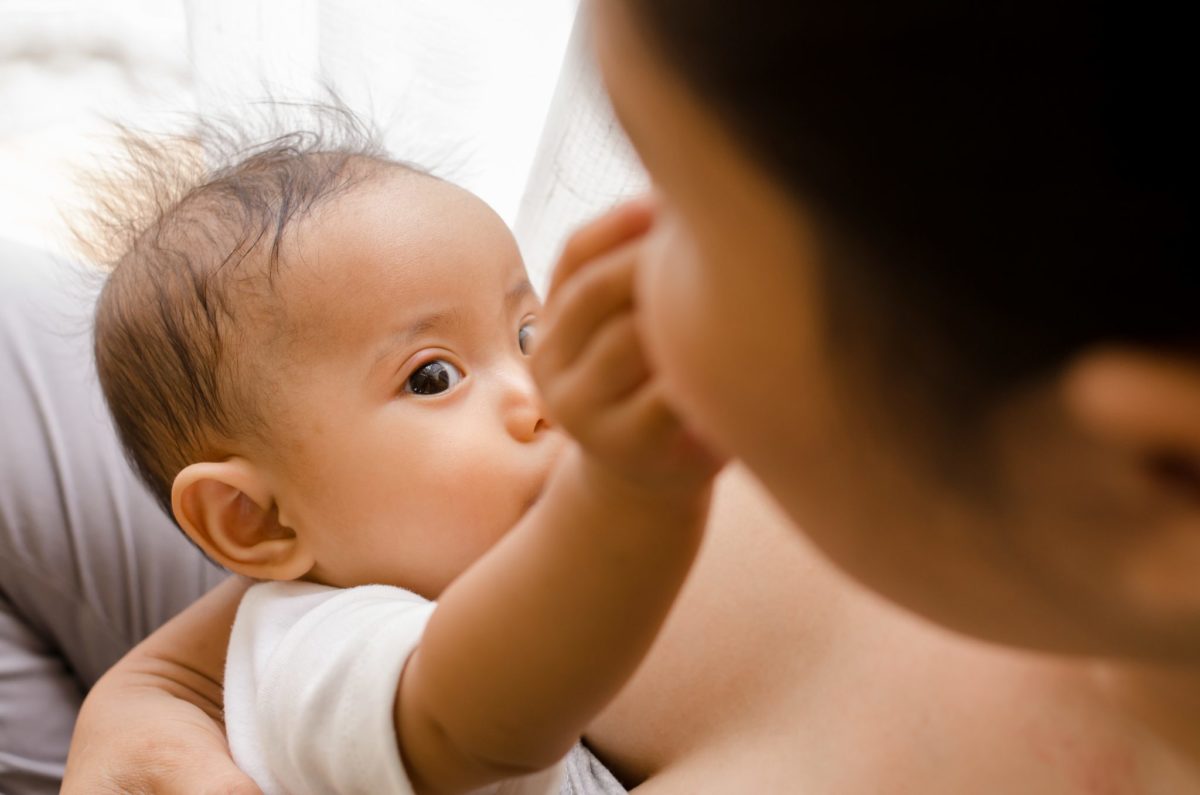
Breastfeeding, especially during the first 6 months of life, provides numerous benefits to infants, mothers, and society. Breastmilk give babies the healthiest start to life, packed with antibodies, stem cells, and other unique properties, breastmilk acts as babies’ first vaccine. It builds their immunity, protecting them from infections, diseases like diarrhea and pneumonia, and lowers a child’s risk of developing obesity later in life. We also know breastfeeding has powerful health effects for mothers – it can reduce a woman’s risk of heart disease, breast cancer, ovarian cancer, type 2 diabetes, and depression.

As part of our continued effort to engage with the community on the infant, young child, and maternal needs during the COVID-19 pandemic, we are hosting a Twitter chat from the @1000Days account on the universal benefits of breastfeeding and why protecting, promoting, and supporting breastfeeding, especially in the response and recovery to the COVID-19 pandemic, is critical for babies, moms, and communities around the world.

Host: @1000Days
When: Thursday, May 14 @ 9-10am EST
Primary Hashtag: #breastfeedingchat
Secondary Hashtags: #breastfeeding #COVID19
Important Reminders:

  • All tweets must include the #breastfeedingchat hashtag to be part of the Twitter chat stream.
  • Retweet questions that you are responding to, so your followers can follow the conversation even if they’re not following the chat.
  • Responses should include the question number you are referencing (A1, A2, etc.)

Promo for participating partners:

  • We’re excited to be participating in @1000day’s #breastfeedingchat on the benefits of and why we must protect, promote, and support #breastfeeding during the response & recovery to #COVID19. Join us!

Questions:

  • Q1: Let’s start with why breastfeeding is important – in what ways does breastfeeding support mothers? #breastfeedingchat
  • Q2: #Breastfeeding has the potential to save the lives of over 820,000 young children & 20,000 women each year if babies are breastfed early & exclusively for the first 6 months. How does exclusive breastfeeding encourage a baby’s development & survival? #breastfeedingchat
  • Q3: The benefits of #breastfeeding prove it’s critical to support mother’s in their breastfeeding journey and everyone can help. What can family members, friends, health care workers, and employers do to protect, promote, and support breastfeeding? #breastfeedingchat
  • Q4: #COVID19 is impacting access to #healthcare and on-going physical-distancing guidelines are suspending critical #breastfeeding counseling. What are short and long-term impacts to breastfeeding and child health when counseling and care is interrupted? #breastfeedingchat
  • Q5: Encouraging #breastfeeding also means creating environments that enable moms to breastfeed. How can we ensure women who choose to breastfeed are supported during #COVID19? What role do nurses, midwives & community healthcare workers play in this? #breastfeedingchat
  • Q6: Despite @WHO recs clarifying that mothers w/ suspected cases of #COVID19 who choose to breastfeed can if they take certain precautions, some hospitals are separating healthy moms & babies. What is at risk by separating mom & baby so early after birth? #breastfeedingchat
  • Q7: Evidence shows BMS companies and the wider food/bev industry are leveraging #COVID19 to influence families to purchase their products that undermine infant/child health. What role do donors & govts play in ensuring companies are adhering to the #BMSCode? #breastfeedingchat
  • Q8: For mothers who choose not to breastfeeding, the @WHO recommends donor human milk or wet nursing in contexts where allowed. If mothers don’t have access to these options, how can we ensure they can receive quality breastmilk substitutes? #breastfeedingchat


2020 Severe Malnutrition Non-Technical Learning Series

In light of new terminology and research on the most effective ways to prevent malnutrition-related child mortality, 1,000 Days launched a new learning series focused on severe malnutrition. The learning series features monthly presentations by subject-matter experts on topics designed to help a non-technical audience ​unpack the latest evidence and craft more effective, informed severe malnutrition policies and advocacy campaigns. Through ongoing consultation with experts and audience members, 1,000 Days addresses the emerging issues, questions and information that are most relevant to people working in this field.

Spring Learning Series Topics

April 30, 2020 – Severe Malnutrition 101: Understanding the fundamentals
10am EST
Access a recording of the video here.

In this kick-off session, Saul Guerrero Oteyza, Child Wasting Nutrition Specialist at UNICEF, gave an overview of the current global mechanisms for preventing and treating severe malnutrition. The session offered an accessible background to foundational issues including: the history of wasting treatment; an overview of current treatment protocol; an explanation of the link between wasting and stunting; an elaboration on the uses and availability of ready to use therapeutic foods (RUTF); and an update on current efforts to streamline wasting treatment through the Global Action Plan (GAP) on Wasting.

May 29, 2020 – Management of Wasting: Programming Insights and Areas for Action
11am EST
Access a recording of the video here.

In this session, Marie McGrath, Technical Director at the Emergency Nutrition Network (ENN) and Co-Editor of ENN’s long running technical publication, Field Exchange, offer an accessible synthesis of key takeaways from a special 60th issue that examined management of wasting in children. Framed within the recently launched UN Global Action Plan (GAP) on wasting, this session shared insights from this rich collation of programming experiences and research to inform your advocacy efforts to build and scale capacity to care for wasted children worldwide.

*Note correction to dates on Slide 15:
Should read 2019 (not 2020) as follows:
Action
ECF & ENN Donor Roundtable, London, July 2019

Donor letter to the UN Secretary General from the core philanthropic donors, October 2019
Letter to UN Secretary General, 20th Dec 2019 – urgent action & reform

June 19, 2020 – Rounding Out the Power Four: MMS, Breastfeeding, and Vitamin A Supplementation
10am EST
Register HERE.

The ‘Power 4’ are a targeted set of high-impact nutrition interventions we can scale today to immediately reduce the number of children dying from severe malnutrition. Along with wasting treatment, which was the primary focus of the first two learning series sessions, MMS, Breastfeeding, and Vitamin A Supplementation are foundational interventions in the fight to improve nutrition for children around the world. Join leading experts representing each of these key interventions for a non-technical overview of the interventions’ significance, delivery, and current challenges, and for a chance to ask questions to people working directly with the Power 4.

Presenters:

  • Dr. Rolf Klemm, Vice President, Nutrition at Helen Keller International and Associate Scientist at Johns Hopkins Bloomberg School of Public Health
  • Dr. Saskia Osendarp, Executive Director Micronutrient Forum
  • Dr Rukhsana Haider, Founder and Chair, Training & Assistance for Health & Nutrition Foundation (TAHN), Bangladesh, Co-Chair, Steering Committee, World Alliance for Breastfeeding Action (WABA), Penang, Malaysia

July 2020 – Crafting a compelling narrative around severe malnutrition
More information on date, time and registration link to come.

As the nutrition advocacy community begins to talk and write about severe malnutrition and its heightened focus on child mortality, there will be many opportunities to develop new communications narratives. Led by Blythe Thomas, Chief Strategy Officer at 1,000 Days, this session will focus on aligning messaging and crafting compelling communications materials that will speak clearly to non-nutrition audiences.


For more information, please email 1,000 Days Global Policy and Advocacy Manager, Emma Feutl Kent, at emma@thousandays.org.

It’s Census Day in the United States

All children need certain things to thrive. Nutritious foods, access to health care, and the care of parents and other caregivers are just a few of the basics that can help children reach their full potential.

In the United States, numerous federal programs and services help families ensure their children’s needs are met – including children whose families have low incomes or who live in poverty. But, without an accurate count of our nation’s children, these programs may not get the resources they need to serve all the children and families who rely on them. That’s where the Census comes in.

Every 10 years, our nation counts every person living in the United States and five U.S. territories. An accurate count is critical because, among other things, it helps policymakers decide how best to allocate hundreds of billions of dollars to federal programs and to determine legislative districts.

Today, April 1, is Census Day. By now, you may have received official Census Bureau mail with information on how to respond to the 2020 Census online, by phone, or by mail. Already, millions of households across the nation have responded, with an overall response rate so far of 34.7%. If you haven’t completed the 2020 Census already, we urge you to visit my2020census.gov to make sure your family is counted today!

Counting all young children is especially critical in the 2020 Census. Research shows that young children are undercounted at a higher rate than any other group. The 2010 Census missed about 5% of all children under age 5 – or about 1 million children.

Sometimes young children are undercounted because of their living arrangements (such as splitting time between two homes or living with a family member like an aunt or grandmother). Sometimes parents may not realize that babies and toddlers are supposed to be counted – but this year, all children born on or before April 1 should be counted. And sometimes the entire family is missed because of a language barrier or other challenge. But whatever the reason, one thing is clear: when young children are not counted, it can have serious consequences for them, their families and our communities.

For example, an undercount of young children can affect the distribution of funding to programs and services that make a difference in the lives of millions of young children and their families every day. Programs like the Supplemental Nutrition Assistance Program (SNAP), the Special Supplemental Nutrition Program for Women, Infants and Children (WIC), Medicaid, the Children’s Health Insurance Program, Head Start, and the Child Care and Development Fund all receive funding based on census data.

As an official partner of the 2020 Census, 1,000 Days believes it is critical that everyone is counted – including parents and their infants and toddlers. That’s why we’re thrilled to see the Census Bureau, advocates, and communities across the country working together to help make sure that everyone is represented equally in the 2020 Census.

Statement on the Importance of Paid Family and Medical Leave During COVID-19 and Beyond

1,000 Days calls on Congress to guarantee all workers access to comprehensive paid family and medical leave and to protect the health of moms, babies and their families as our communities, states and nation respond to COVID-19.

1,000 Days is the leading organization advocating for the health and well-being of moms, infants, and young children during the 1,000-day window. Access to paid leave is critical to ensuring families have the resources and support they need during this critical time.

While the quick passage of the Families First Coronavirus Response Act was an important and encouraging step, more action is needed to make paid sick days and comprehensive paid family and medical leave available to all workers and all families.

We urge Congress to ensure that all workers can have the time they need to keep themselves, their families, and their communities healthy, without jeopardizing their paycheck or their financial security. The health and well-being of moms, babies and their families is too important.

#March4Nutrition for Moms and Babies

In honor of National Nutrition Month, 1,000 Days is kicking off its annual #March4Nutrition campaign to amplify the importance of nutrition for moms and babies during the first 1,000 days.

All month long, we invite you to follow #March4Nutrition on Facebook, Instagram and Twitter to learn the role of nutrition in the 1,000-day window

This #March4Nutrition, we are highlighting why the 1,000-days from a woman’s pregnancy to her child’s 2nd birthday offer such a critical window of opportunity to build healthy, thriving futures. The nutrition a mother and her child receive during this time set the stage for their health and well-being, both now and in the future.

Specifically, nutrition in the first 1,000 days is important for:

  • Building Brains
    During the 1,000-day window, a child’s brain grows more quickly than at any other time in life. Nutrition provides the building blocks for her cognitive abilities, motor skills and socio-emotional development.
  • Building Health
    Nutrition in the first 1,000 days provides the foundation for lifelong health. It impacts how our bodies and immune systems develop and influences our predisposition to diseases later in life.
  • Building a Fair Start
    Every child deserves to be healthy and thrive, but millions of young children don’t get this opportunity. Inequalities in child development often begin before a child is even born. Nutrition during the 1,000-day window can help build more equal beginnings and put all children on track to flourish.
  • Building Prosperity
    A healthier and brighter future for us all begins with investing in women and children in the 1,000-day window. Nutrition during this period provides the foundation for children to develop to their full potential, setting them up for later success and a healthy life.

Unfortunately, many moms and babies in the United States are not getting the nutrition they need for a healthy and thriving 1,000 days and beyond.

  • During pregnancy, a mother’s diet and her nutrient stores are the only source of nutrition for her baby. This makes it critical that women get the nutritious food they need before and during pregnancy. However, women of childbearing age are consuming unhealthy diets with too few nutrient-rich foods and too much saturated fat, added sugar and sodium.
  • Breastfeeding has powerful benefits for the health and well-being of both moms and babies, but widespread barriers to breastfeeding mean that 60% of mothers do not breastfeed for as long as they intend to. Only 25% of infants are exclusively breastfed for 6 months as recommended by experts.
  • A healthy diet is essential to ensuring infants and toddlers grow well and are not at an increased risk of chronic disease later in life. Early nutrition also develops a child’s food preferences, with implications for lifelong eating habits. Unfortunately, many infants and toddlers are not consuming healthy diets: for example, virtually all toddlers (98.3%) and as many as 61% of infants consume added sugars on a given day.
  • When a family struggles to put enough food on the table, it can have long-lasting negative impacts on developing children. In the U.S., 1 in 7 households with children under the age of 6 is food insecure – and racial/ethnic disparities mean that some children are more likely than others to lack the nutrition they need to thrive.

At 1,000 Days, we believe that all women and children in the United States deserve to have the healthiest possible 1,000-day window – and that starts with access to good nutrition and breastfeeding support.

Join us this month as we #March4Nutrition for moms and babies!