Category: Uncategorized

CDC’s Grand Rounds on The Thousand Day Window
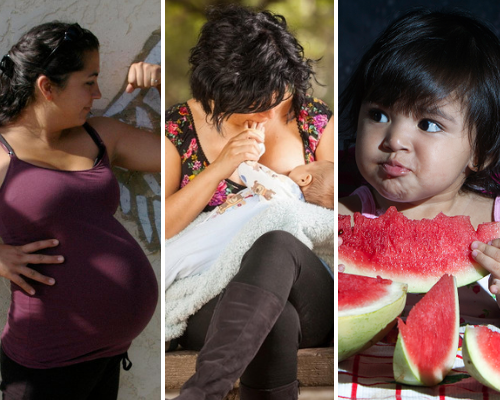
1,000 Days is honored to be a featured speaker at the CDC’s upcoming Grand Rounds to shine a spotlight on one of the biggest public health concerns facing our country: nutrition for moms and babies.

On Tuesday, June 18 from 1:00-2:00 pm EST, the U.S. Centers for Disease Control and Prevention (CDC) will present a Public Health Grand Rounds on “Maternal, Infant, and Early Childhood Nutrition—The Thousand Day Window of Opportunity.” One thousand days refers to the period from pregnancy through a child’s second birthday, when optimal nutrition is critical for brain development, healthy growth, and setting children on a trajectory for lifelong health.

During the Grand Rounds, an expert panel – led by Andrea Sharma an Epidemiologist with the Division of Nutrition, Physical Activity, and Obesity with the CDC, Michelle Kominiarek a physician with Northwestern University Feinberg School of Medicine, and Rafael Perez-Escamilla the Director of Yale School of Public Health – will explore how a woman’s nutrition during the first 1,000 days can impact both her own health and the child’s health, identify strategies that support women to breastfeed, and provide recommendations regarding an infant’s transition to the family diet. Together these factors have a profound impact on a child’s ability to grow, learn, and thrive.

Unfortunately, in the United States, optimal nutrition during the first 1000 days is not happening.

  • About 16% of pregnant women have iron deficiency, with significant disparities by race/ethnicity.
  • Almost 1 in 5 babies are never breastfed, and only 25% of infants are exclusively breastfed through 6 months.
  • Among children 12-23 months, on a given day, fewer than half have eaten a vegetable and 1 in 3 consume a sugary drink.
  • About 14% of U.S. children, aged 2-5 years, have obesity.

The CDC will use this key moment to uncover the science, statistics and research behind the state of the 1,000 days in the U.S. And they have invited 1,000 Days Executive Director Lucy Sullivan to be interviewed in a “Beyond the Data” segment that highlights the policies and practices impacting nutrition in the first 1,000 days and brings to light how these issues effect moms and babies.

Please join us for this live webcast to learn more about CDC’s role in Maternal, Infant and Early Childhood Nutrition.

We invite you to learn more about the state of the first 1,000 days in the U.S. View these resources to get started.
Guest Post: What Would it Look Like if We Protected Rather Than Just Promoted Breastfeeding?

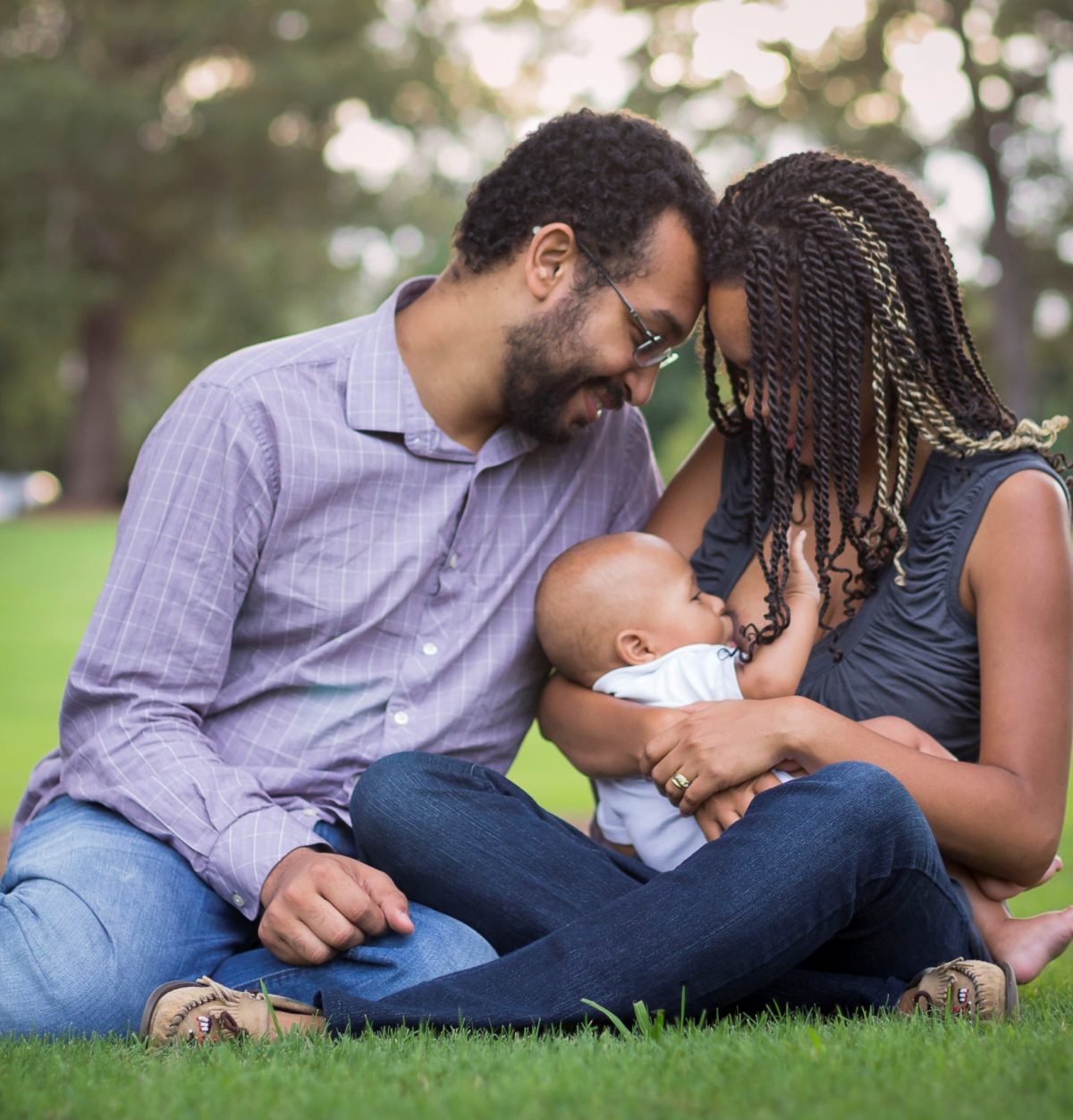
Public health bodies are in agreement: Breastfeeding protects the health of mothers and babies and therefore breastfeeding should be encouraged. But what use is encouraging women to breastfeed if at every corner they face barriers in their way? At its least the simplistic ‘breast is best’ message is useless, and at its worst it can cause significant harm.

Messages urging women to breastfeed do nothing to enable them to do so. Although breastfeeding may be normal, it’s still something that mother and baby learn together, enhanced by skilled expert support. If we instill a belief in mothers that breastfeeding is important but then have little investment in giving them the best possible start, then that is inhumane. Too many women are starting out wanting to breastfeed and stopping way before they are ready through no fault of their own, leaving them with a whole host of negative emotions from guilt through to failure and anger.

We need to take a different approach to this public health issue by creating a culture that nurtures and protects rather than simply promotes breastfeeding. But what would that support look like? Some might argue that there is ‘pressure to breastfeed’ everywhere. But if you sit back, the subtle and not so subtle messages that women get everyday normalise bottle feeding, not breastmilk. With almost all mothers at some point using formula, copious advertising of breastmilk substitutes, and the normalisation of infant formula as a solution to breastfeeding challenges, we really live in a formula feeding culture.

What good is a desire to breastfeed if health services are not in place to guide and support mothers to get breastfeeding off to the best start and to support problems if they arise? What good is it if family and friends continually try to persuade the mother to give formula, particularly in response to normal baby behaviour that won’t get ‘fixed’ by a bottle? What good is it if the public harass her when she feeds outside the home? What good is it if she has to go back to work and her employer makes no adjustments at all? What good is it if she is continually pulled in all directions and urged to ‘get her life back’ rather than being nurtured and cared for through this transition?

If we want to encourage breastfeeding, we need to create an environment in which breastfeeding can flourish. We need to move our focus away from breastfeeding as an individual mothering issue and consider how we make changes at the social, economic, and political levels that allow breastfeeding to thrive. This means targeting the knowledge, attitudes and behaviours of family members, the general public, employers and those policy makers who have it in their power to make change on a grand scale. Breastfeeding is not the responsibility of the mother alone. It is a societal issue and a public health responsibility and our actions and investment should recognise that.

Dr Amy Brown is a Professor of Child Public Health at Swansea University in the UK where she researches how we can better understand what helps women to breastfeed for longer. She is author to three books: Breastfeeding Uncovered, The Positive Breastfeeding Book and Why Starting Solids Matters.

Why 1,000 Days

The 1,000 days between a woman’s pregnancy and her child’s 2nd birthday offer a unique window of opportunity to build healthier and more prosperous futures. A growing body of research shows that the nutrition and care a mother and her child receive during this time set the stage for their short – and long-term health and well-being. Specifically, the first 1,000 days are important for:

  • Building Brains
    Beginning in pregnancy and throughout early childhood, nutrition provides the building blocks for a child’s cognitive abilities, motor skills and socio-emotional development.
  • Building Health
    Nutrition in the first 1,000 days provides the foundation for lifelong health. It impacts how our bodies and immune systems develop and influences our predisposition to diseases later in life.
  • Building a Fair Start
    The first 1,000 days are a window of opportunity to build more equal beginnings and put all children on track to flourish. Evidence shows that when young children are well nourished, cared for and protected from disease, violence and toxic stress, they have the best chance at a thriving future.
  • Building Prosperity
    Nutrition during this period provides the foundation for children to develop to their full potential, setting them up for later success in school and the workforce and a healthy life. Investments in a child’s earliest years are one of the smartest things a country can do to combat poverty and create the human capital needed for economies to diversify and grow.

What Does a Healthy First 1,000 Days Look Like?

The nutrition and care that moms and babies need during every stage of the 1,000-day window looks slightly different. Using recommendations from WHO, AAP and other leading experts, 1,000 Days has identified 10 building blocks for nutrition during the first 1,000 Days.

What Is the Current State of the First 1,000 Days in the US?

By several measures, the US is failing its mothers and young children. The most recent statistics surrounding poverty, food insecurity, maternal mortality, healthcare access, paid leave access and more paint a troubling picture of how women and children go through the 1,000-day window.

  • Poverty
    One in five (1.6 million) infants and toddlers under age 2 in the United States live in poverty.
  • Food Insecurity
    16% of households with children under the age of six are food insecure, meaning they at times go without adequate food for one or more family members.
  • Health
    Currently, 1 in 12 children in the US are born with a low birthweight, putting them at risk for other health problems. At the same time, the US has one of the highest maternal mortality rates of any wealthy country, and black and American Indian/Alaska Native women are about 3 times as likely to die than white women. Additionally, women of childbearing age are consuming diets with too-few nutrient dense foods and too much saturated fat, added sugar and sodium, and half of women (51.4%) enter pregnancy overweight or obese. 1 in 4 children are overweight or obese by their 5th birthday, and 75% of 1-to-3-year-olds consume too much sodium.
  • Health Care
    Medicaid plays an important role in ensuring moms and babies get the care they need to thrive. Close to half of all births (43%) in the US are paid for by Medicaid, and Medicaid and CHIP currently covers 40% of US children aged 0-5. However, 12% of women ages 14-49 remain uninsured.
  • Nutrition Assistance Use
    Approximately 7.6 million women, infants, and children participate in the Special Supplemental Nutrition Program for Women, Infants and Children (WIC), and nearly half of all infants in the US are served by WIC. However, WIC doesn’t reach everyone who needs it: only 55% of the population who are eligible for WIC are participating. Millions of low-income families with young children also rely on the Supplemental Nutrition Assistance Program (SNAP) to put food on the table. About 2,172,000 households that participate in SNAP have children ages 0 to 1.
  • Breastfeeding
    Too many moms and babies are not benefiting from the powerful effects of breastfeeding. While 83.2% of infants born are ever breastfed, only 24.9% are breastfed exclusively through 6 months. Furthermore, 60% of mothers stated that they did not breastfeed for as long as they intended to, indicating a need for more support.
  • Paid Leave Access
    Only 17% of civilian workers (private and state and local government workers) have paid family leave. That percentage goes down to 5% for the lowest-paid workers. Astonishingly, 1 in 4 women go back to work within 2 weeks of having a child.

Here at 1,000 Days, we believe all moms and babies should have access to the comprehensive supports and services they need for a healthy first 1,000 days. That’s why we’re advocating for solutions like comprehensive health coverage for women, a paid family leave policy for all Americans, science-based dietary guidelines for women who are pregnant or breastfeeding and children under 2, as well as investments in low-income babies, toddlers and their families.

The State of Moms and Babies

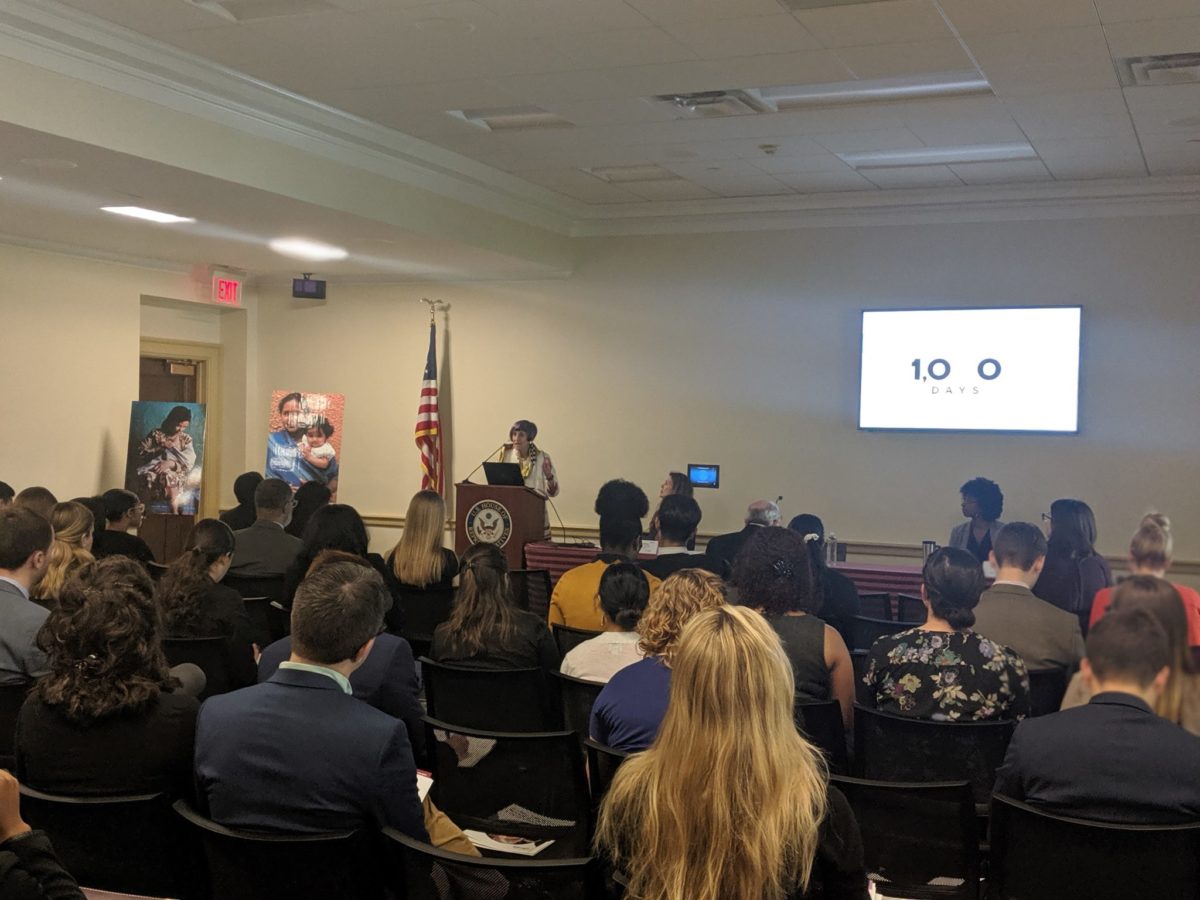
Earlier in May, 1,000 Days hosted a Congressional briefing on the importance of health and nutrition for mothers, babies and young children in the United States and around the world. We were fortunate to work with the Congressional Maternity Care Caucus and the Congressional Baby Caucus on the event. 

To an audience that included staff from Congressional offices, partner organizations and the administration, Members of Congress and panelists spoke about the need to invest and prioritize the well-being of women and children especially during the critical 1,000-day window.  

Highlights 

  • Congresswoman Rosa DeLauro (D-CT) kicked the event off discussing her role as Chairwoman of the Labor, Health and Human Services and Education Appropriations subcommittee, which provides funding for many programs that support moms and young children. As a leader in Congress on issues critical to women, young children and working families, DeLauro spoke to the need to strengthen programs like WIC and invest in maternal and child health services.  
  • Congresswoman Lucille Roybal-Allard (D-CA) told the audience that improving the health outcomes of moms and babies must be a priority in our communities and the halls of Congress. She relayed her efforts to address health inequities in the U.S., including introducing the Newborn Screening Reauthorization Act. Her bill will help expand comprehensive newborn screening programs to identify health conditions early.  
  • Lucy Sullivan, Executive Director of 1,000 Days, moderated the event and provided the audience with an overview of why the first 1,000 days is such a critical time period with a particular focus on how addressing issues like maternal mortality, food insecurity and child stunting begins with strong investments and prioritizing policies that support the health of mothers and young children.
  • Dr. Nicholas Alipui provided the overarching context to why this time period is so foundational to both a child’s development, but also to the ability for communities to thrive. His presentation highlighted for the audience how nutrition impacts a child’s early development and how integrated programs focused on the first thousand days can improve the health of children and communities.
  • Dr. Jessica Nash of Children’s National was the final speaker. She relayed her experience as a pediatrician in Washington D.C. and the barriers her patients and their families face. Highlighting issues from toxic stress, infant mortality and health inequities, Dr. Nash left the audience with an awareness of how these issues impact communities across the U.S., including right here in Washington DC stating “If we are using infant mortality as an indicator of population health, we have some work to do.”

We were honored to host a group of strong advocates who work to support the health of moms and babies and we will continue to engage with policymakers urging them to prioritize brighter futures starting with the first thousand days. 

What All Moms Need This Mother’s Day

With Mother’s Day around the corner, here at 1,000 Days we’ve been thinking about what moms really need. At the top of our list:

  • Quality, affordable health care
  • Time to care for themselves and their babies
  • Good nutrition from healthy foods
  • Support from the community

We’d like to highlight one of these priorities – quality, affordable health care – and the key role that it plays for moms everywhere.

The Importance of Quality, Affordable Health Care

Comprehensive health care is foundational to a woman’s health and well-being before, during and after pregnancy. All women need access to prenatal care, skilled care during childbirth, and care and support in the weeks and months after childbirth. However, too many moms are not getting the care they need. About 6% of women in America receive late or no prenatal care, and as many as 40% of women do not attend a postpartum visit (with lower rates among women with limited resources). In low-income countries around the world, close to two-thirds of pregnant women miss out on the recommended prenatal care visits.

Gaps in access to care or poor quality of care can have tragic consequences. Across the globe, approximately 800 women die from preventable causes related to pregnancy and childbirth every day. In the United States, an estimated 700 women die from these causes each year, and some women are more likely to die than others. The disparities in maternal death are striking, with black women dying at more than 3 times the rate of white women.

The good news is that many maternal deaths can be prevented. Recent data from the Centers for Disease Control and Prevention (CDC) indicate that approximately 3 in 5 pregnancy-related deaths in America are preventable – no matter a woman’s race/ethnicity or whether the death occurs during pregnancy, delivery, or after birth.

Globally, there is a recognition that greater attention to maternal mortality is urgently needed – and nutrition must be part of that discussion. Of the 5 pregnancy complications that account for nearly 75% of all maternal deaths, 3 are related to nutrition (severe bleeding, pre-eclampsia, premature labor) and their risk can be mitigated with better nutrition. It’s critical to strengthen health systems and ensure they are providing women with high impact nutrition interventions before, during and after pregnancy, including multiple micronutrient supplements, diet and nutrition counseling, as well as breastfeeding counseling and support.

In the U.S. and around the globe, we need to do more to ensure that no mother’s life is cut short due to preventable causes.

Advancing a Vision for a Healthier First 1,000 Days

Here at 1,000 Days, we are fighting to make sure all moms get what they need to thrive. One critical part of this is working to increase investments in women’s preconception, prenatal, and postpartum health, with a focus on the most disadvantaged. We believe that every woman should have access to comprehensive health coverage and benefits – no matter who she is or where she lives.

On Mother’s Day and every day, all moms deserve a healthy first 1,000 days. Let’s honor all of the moms in our lives by giving them what they need: quality, affordable health care.

Preventing Surprise Medical Bills During the First 1,000 Days

Few issues can bring the White House, Congress and health care advocates together. But one issue is increasingly receiving strong, bipartisan support: tackling surprise medical bills. This is good news for moms, babies and their families.

What are surprise medical bills?

A surprise medical bill comes when a patient receives services from an out-of-network provider, often through no fault of their own.

Most health plans have a network of health care providers, and it’s cheaper for a patient to use in-network providers. If a patient choses an out-of-network provider, they are responsible for much higher out-of-pocket costs. Some patients will choose to use an out-of-network provider—for example, due to location or because the provider is preferred. When the patient makes the choice to use the out-of-network provider, they do so understanding that they will pay more.

But sometimes, a patient receives a service from an out-of-network provider without realizing it or without consenting. During a health care visit—particularly in a hospital-based setting—multiple health care providers may treat patients, and some of these providers might not be in-network. In this case, patients get treatment from an out-of-network provider through no fault of their own but are still responsible for the higher costs.

How can surprise medical bills affect families during the first 1,000 days?

Many families receive surprise medical bills after childbirth. For example, a woman may choose to deliver her baby at an in-network hospital with an in-network OB-GYN. During her delivery, an anesthesiologist, who is a critical part of the care team, may serve her. But, if the anesthesiologist is out-of-network, the woman will be responsible for the costs of those services.

Sadly, this is a common occurrence. A recent study found that 11% of mothers experienced a surprise out-of-network bill with their first delivery. Not only do those mothers face high and unexpected costs, but they are also more likely to switch from their preferred hospital after receiving a surprise bill.

Whether a patient unknowingly receives the services of an out-of-network anesthesiologist during childbirth or ends up in an out-of-network emergency room during a medical crisis, families shouldn’t have to bear the outrageous costs of out-of-network bills.

What is being done to solve the problem?

Part of a comprehensive solution is up-front transparency about what a patient will pay for the total cost of care. But that’s not enough. Patients should be held harmless from surprise bills and should never have to pay more than their normal in-network cost-sharing requirement for a service.

Many states have worked to address surprise medical bills, and some states have meaningful protections. But most states do not have comprehensive protections against surprise billing, and there is no national policy to protect consumers. This needs to change.

The President and Congressional Leaders have expressed an interest in passing legislation to address surprise medical bills. 1,000 Days urges policymakers to move quickly to ensure that during recovery from childbirth or other medical situations, no one receives a surprise medical bill.

My Time at 1,000 Days Exploring Maternal Health and Nutrition

My passion for maternal health and nutrition began when I volunteered as a local community nutritionist and maternal advocate with the United Nations Relief and Works Agency for Palestine Refugees in the Near East (UNRWA) program serving women in Palestinian refugee camps. It continued when I set up a clinic to address maternal nutrition, translating the science of nutrition into understandable information about food before, during, and after pregnancy. Today, I am serving as a Global Policy and Advocacy Program Associate Fellow with 1,000 Days.

In this role, I have had wide exposure to issues related to women’s health and nutrition and I found it both important and interesting to learn more about what is still of huge concern in the world of maternal health: maternal mortality. Maternal death can happen while a woman is pregnant, during labor and delivery, or in the 42 days after childbirth or the termination of pregnancy.

Who’s at risk?
Every day, approximately 830 women die from preventable causes related to pregnancy and childbirth with 99% of all maternal deaths occurring in developing countries. While it’s much safer to have a baby today than in the past, it’s still not safe for everyone. Not every woman has access to or can afford regular prenatal care, good nutrition and a skilled health practitioner at her delivery. At the same time, age, race, and the location where you deliver can unfairly determine your chance of survival. See the top 10 countries with the highest maternal mortality rates.

Why Do Women Die?
Poor nutrition before, during and after pregnancy can increase a woman’s risk for complications. Of the five pregnancy complications that account for nearly 75% of all maternal deaths, three are related to nutrition.

1. Severe bleeding (Mostly Postpartum Hemorrhage – PPH)
Every year about 14 million women around the world suffer from PPH. And is not only associated with nearly one quarter of all maternal deaths globally but is also the leading cause of maternal mortality in most low-income countries.

An anemic pregnant woman has a higher risk of experiencing PPH. During pregnancy, the risk of iron deficiency anemia increases as a woman’s body needs to provide nutrients for herself and her child. In fact, anemia still affects 40% of pregnant women worldwide. Interventions that increase iron uptake and stores such as oral iron pills, prenatal vitamins, and diet rich in iron and folic acid such as (leafy veggies, meat and poultry, eggs, etc.) reduce blood loss and infection, and address other micronutrient deficiencies could prevent at least half of all anemia cases.

2. High blood pressure during pregnancy (Pre-eclampsia and Eclampsia )
Eclampsia begins in the placenta, the organ that nourishes the fetus throughout pregnancy and can pose a serious health risk for a woman and her child. Early in pregnancy, new blood vessels develop and evolve to efficiently send blood to the baby through the placenta, but sometimes those blood vessels do not form properly and can cause serious health complications. While causes of eclampsia vary, inadequate diet can further increase a woman’s risk. In populations with low dietary calcium intake WHO recommends a daily calcium supplementation (1.5 g–2.0 g oral elemental calcium) for pregnant women to reduce the risk of pre-eclampsia.

3. Premature labor and Complications from delivery.
Premature labor also has varied causes, including an abnormally low blood volume. This can be prevented with a well-balanced diet rich in a variety of macro- and micronutrients and could significantly decrease premature labors. In addition, there are several promising interventions such as calcium supplementation in women with low calcium intake, iron, zinc, magnesium, and fish oil supplementation.

Key takeaways:
Linking global maternal mortality and nutrition is a clear yet missed opportunity in solving this issue. Advocates must continue to push for:

  • Scaling up high impact nutrition interventions, especially by reducing anemia and addressing calcium deficiencies. Integrating these nutrition-specific interventions into maternal and child health programs should be a priority.
  • A focus on girls and women at all stages of life. There is a need for a much more proactive approach that does not focus solely on women’s nutrition during pregnancy. Good health and nutrition throughout a woman’s life allows her to thrive – and is the key to a healthy pregnancy.
  • The need to extend and strengthen data collection and analysis for women’s nutrition. While more data is important, it is also important to better utilize and analyze existing nutrition data to further understand the relationship between malnutrition and pregnancy complications. Only by doing so we will be better positioned to respond to the needs and priorities of women and girls.
  • A holistic approach that focuses on the importance of delivering good quality care for all. Nutrition outcomes are also improved by integrating water, sanitation, and hygiene (WASH) and other nutrition-sensitive interventions.

As for you readers, you too can join the fight, by lending support to organizations like 1,000 Days that are working to enact lifesaving efforts for nutrition. Although my journey as a fellow with 1,000 Days is coming to an end, I know that a great journey based on the experience I gained here is still ahead of me! I feel privileged to have spent almost a year working with this awesome team of advocates that are fighting for every mom and baby around the world.

1,000 Days & Partners Submit Statement for UN Meeting on Universal Health Coverage

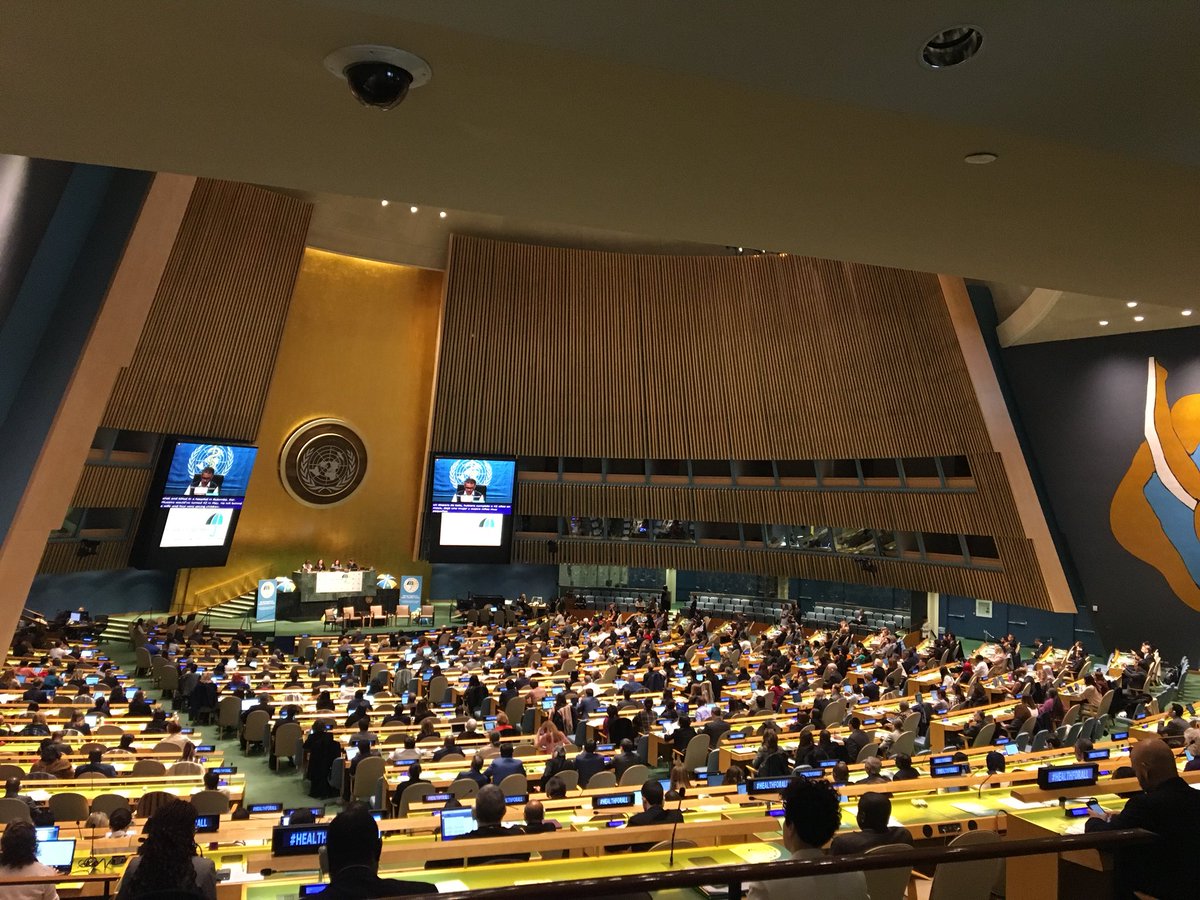
1,000 Days joined the International Coalition for Advocacy on Nutrition (ICAN) to submit the following statement to the Multi-stakeholder Hearing for the UN High-Level Meeting on Universal Health Coverage held on April 29, 2019. The statement was delivered by WaterAid on behalf of the coalition. This statement has since been updated and delivered at the 72nd World Health Assembly; 1,000 Days and partners have signed on to show support as we head towards the UN High-Level Meeting on Universal Health Coverage

Preventing and treating malnutrition, especially during the first 1000 days, is a critical pathway to realising UHC. Affecting every third person, malnutrition and related NCDs underlie almost half of all child deaths, and 71% of global deaths.

Malnutrition disproportionately affects the poorest and most vulnerable, aggravating the intergenerational cycle of ill-health and poverty. Essential nutrition services like breastfeeding and dietary counselling, hygiene promotion, wasting treatment, and, vitamin and micronutrient supplementation promote development, reduce NCDs, and increase immunity and resiliency to infection. Investing in these high-impact, low-cost interventions will support the achievement of UHC.

We urge Member States to prioritise nutrition in the HLM outcome document as a determinant of UHC and commit to:

  • Integrate nutrition interventions and health promotion in PHC, focusing on the poorest and most marginalised, especially women and girls;
  • Train and support community health workers to deliver key nutrition services;
  • Ensure essential medicines include health products to prevent and treat malnutrition;
  • Allocate greater financing for and ownership of nutrition by health decision makers, in collaboration with other stakeholders including WASH, education, agriculture and social protection.

What We’re Watching: Health Care Edition

1,000 Days believes that every mom, child and family in America deserves a healthy first 1,000 days. We support guaranteed access to high-quality, affordable health insurance that offers comprehensive benefits for preconception and prenatal care, maternity services, breastfeeding and postpartum care, pediatric care and other critical maternal, infant and young child health services. In addition, we reject all efforts that would make it more difficult for families to access comprehensive health insurance, result in increased numbers of uninsured people, or put needed services out of reach. This would roll back the progress we’ve made — and would result in worse health outcomes for moms and children.

With health care in the news a lot these days, we want to provide an update on what’s been accomplished to date, what’s really on the horizon — and what’s at risk.

The Affordable Care Act Matters to Moms and Babies

Just over 9 years ago, the Affordable Care Act (ACA) became law, making it easier for moms and young children to access high-quality and affordable health insurance. Today, more American families have health insurance, whether through their employer, the Health Insurance Marketplace or Medicaid. Additionally, their insurance is required to include essential health benefits — services that support the health of women and young children.

As a result of the ACA, just being a woman is no longer a reason for insurers to charge more for equal coverage. Maternity and newborn care, hospitalization, mental health services and recommended preventative services are all considered essential health benefits, meaning these services must be included in all new insurance plans. And women can no longer be denied coverage for pre-existing conditions such as a previous pregnancy, C-section, diabetes or cancer. These positive changes to our health insurance system have meant more moms, children and families have the health security they deserve.

Threats on the Horizon

Despite these gains, a series of legal challenges threatens the ACA’s future — and possibly the health coverage many families need. Most notably, a lawsuit has been filed that would overturn the entire ACA. While this lawsuit has a long legal fight ahead of it, it made news again recently because the Trump Administration stated its agreement that the entire ACA should be deemed unconstitutional and struck down. These attacks on the ACA put comprehensive coverage at risk for many families.

In separate legal action, courts will be examining expanded access to plans that offer limited benefits packages. Earlier this year, a court ruled against the Administration’s “association health plans” (AHPs). AHPs are not required to offer comprehensive benefits and are allowed to charge more for certain needed services. Another long legal battle will determine the fate of these limited-benefit plans.

If the ACA goes away or if limited-benefit plans are allowed to proliferate, here’s what’s at risk:

Comprehensive maternity, newborn and pediatric care could be put out of reach.

Health insurance plans would be able to pick-and-choose what benefits they offer. Essentially, this could mean a return to a pre-ACA health system when 75% of plans on the individual market did not include maternity coverage. Women would be left to choose between going without needed health services or paying out-of-pocket. That’s a decision no woman should be forced to make.

Women could pay more for less health coverage.

We’d be stepping back in time, before the passage of the ACA, when women could be charged more for their health insurance just because they are women.

Pregnancy could become a pre-existing condition (again).

If the ACA goes away or consumer protections are eliminated, insurers would be able to decide what is – and is not – a pre-existing condition, and then charge more accordingly. Just like before the passage of the ACA, women could be denied coverage (or charged a lot more) for health insurance just for having given birth or being of child-bearing age.

Because we know that comprehensive, affordable coverage is critical for the health and well-being of women and young children, 1,000 Days will continue to advocate for policies that strengthen our health care system and help ensure more families can access the care they need. We will work with bipartisan Congressional champions to make sure that all efforts take into consideration the unique needs of the first 1,000 days so that we can maintain access to the services women, children and their families need.

Paid Leave Gains Momentum

This year we’ve seen real momentum around a critical issue for working families in the United States: access to paid leave. At 1,000 Days, we are thrilled to see our nation’s leaders giving this important issue the attention it deserves. We believe that no parent should have to choose between taking time to care for and bond with their child and earning the income they need to support their family. And all women should be able to take the time they need to care for themselves during pregnancy and after childbirth.

Unfortunately, this is not the reality for many parents in the U.S. Only a small fraction of workers have access to paid leave – and those workers who do are typically in higher paying jobs. As a result, nearly 1 in 4 women in the U.S. returns to work within just 2 weeks after giving birth.

Access to comprehensive paid leave would help working parents give their children the strongest start to life. Research shows that paid leave contributes to healthier outcomes for moms, babies and their families. From helping to reduce the risk of infant death and illness, to helping women breastfeed more successfully and for longer periods of time, to promoting healthy cognitive, social and emotional development in children, the benefits of paid leave are numerous and far-reaching. Without access to paid leave, moms’ and babies’ health and well-being are put at risk.

Our Vision for Paid Leave

With grassroots support building around the country for a national paid leave program, it is important to remember that details matter. Not all paid leave policies would enable parents and their children to have the healthiest first 1,000 days and all the days that follow.

1,000 Days calls for a comprehensive paid family and medical leave program that covers all workers. To best support families during the first 1,000 days, the program must:

  1. Provide sufficient time off. At a minimum, 12 weeks of paid leave should be provided to working parents upon the birth or adoption of a child. 1,000 Days supports efforts to increase paid leave up to 24 weeks annually, which is especially critical to supporting women to breastfeed exclusively for six months, as recommended by the American Academy of Pediatrics, the American Congress of Obstetricians and Gynecologists and the World Health Organization.
  2. Cover all employers and all employees. Paid leave must be available to all workers, regardless of the size of their employer, the sector they work in, the length of their employment or whether they work full-time, part-time or are self-employed. Leave must be available to both women and men, regardless of marital status, and policies must be designed in a way to prevent unequal treatment in the workplace and hiring discrimination based on age, gender, sexual orientation and other criteria.
  3. Ensure economic security now and in the future. Employees’ wages and benefits must be maintained so that workers are not forced to decide between their caregiving obligations and their jobs. Employees must also retain the right to resume full paid employment after taking leave. Additionally, policies must ensure that taking leave now does not threaten employees’ future retirement security.
  4. Cover medical and family caregiving needs. Any plan should be available for the full range of personal medical and family caregiving needs, such as those established by the Family and Medical Leave Act.

The FAMILY Act (S.463/H.R.1185) introduced by Senator Gillibrand (D-NY) and Representative DeLauro (D-CT) is the only bill in Congress right now that meets all of these criteria.

As conversations continue around our country’s vision for paid leave, let’s keep the needs of moms and babies top of mind and work to pass a strong paid leave policy that works for ALL families.