Category: Uncategorized

Proposed Changes to SNAP Would Increase Food Insecurity
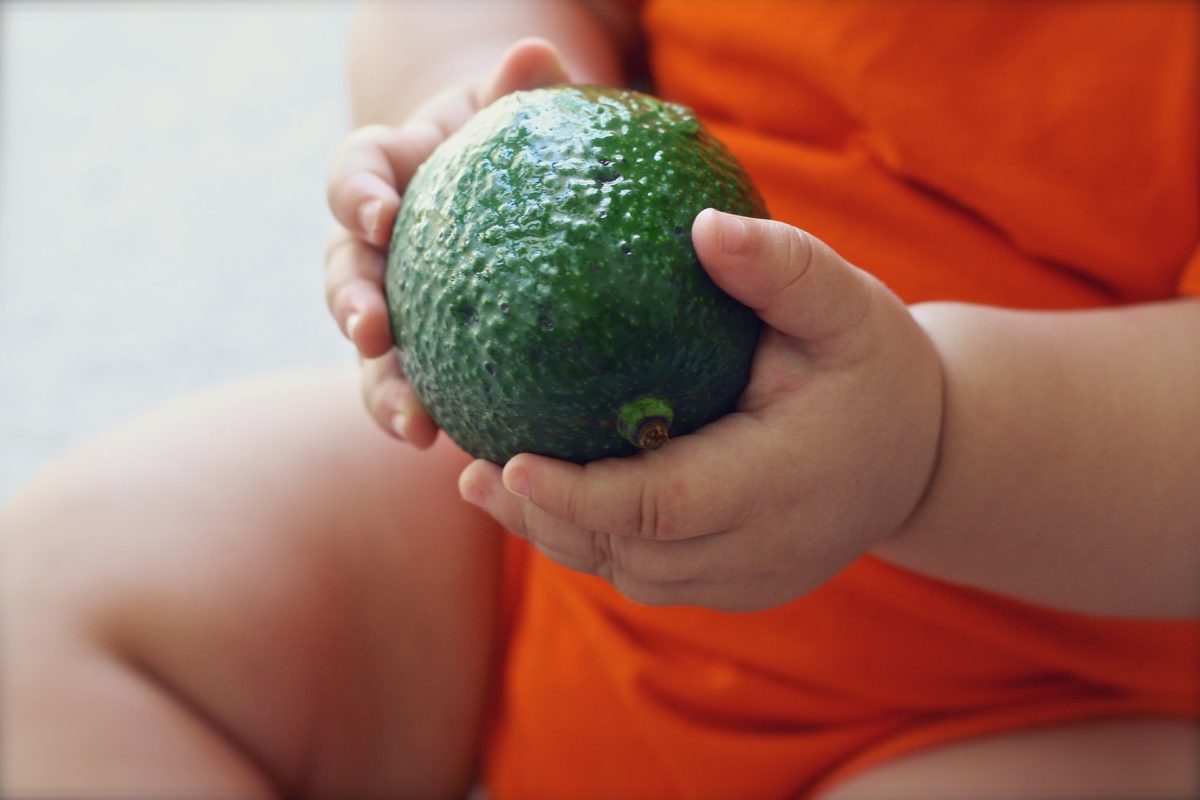
Once again, the Trump Administration is proposing to take away vital nutrition assistance from women, children and their families. Today, 1,000 Days submitted a comment to the U.S. Department of Agriculture (USDA) urging them to withdraw newly proposed changes to the Supplemental Nutrition Assistance Program (SNAP). These changes would make it more difficult for children and their families to get the food they need to thrive.

SNAP is the first line of defense against hunger and poverty for many low-income families in America. As the nation’s largest nutrition assistance program, it helps millions of families put food on the table. Nearly one-third of all children in the U.S. under age 5 participate in SNAP, including 2.2 million infants and toddlers. Research shows that SNAP participation contributes to improved birthweights, lower risks of developmental delays and better health. It also significantly reduces child poverty, with long-lasting benefits. When young children have access to SNAP, they have better health and improved economic self-sufficiency as adults.

The Administration’s proposed changes to SNAP would take away this critical support from struggling individuals and families. USDA estimates that 7.4 percent of all participating households with children would lose access to SNAP – meaning an estimated 1.9 million children (and the adults they live with) will no longer receive the nutrition assistance they need to thrive. USDA’s own analysis predicts that the proposal would increase food insecurity among individuals who lose access to SNAP.

Already, 1 in 7 U.S. households with children under age 6 are food insecure, meaning that they are at times unable to provide enough food for every member of the household. When it comes to our youngest children, a staggering 1 in 6 infants and toddlers live in poverty. This is especially concerning given how critical good nutrition during early life is for lifelong health and well-being. The first 1,000 days offer a unique window of opportunity to build healthier and more prosperous futures – but, the proposed changes to SNAP would put a healthy first 1,000 days out of reach for millions more families in the United States.

1,000 Days is committed to standing strong against the proposed rule and other threats to SNAP. This critical program supports the nutrition, health and economic security of millions of families who rely on it for a healthy first 1,000 days.

What We’re Watching in Congress

Members of Congress spent August in their states and districts, connecting with constituents and their communities. As they return to Washington for a busy month, here are several issues we will be keeping an eye on:

Progress on FY2020 Federal Funding

In July, Congressional leaders and the White House reached a top-line spending deal for FY2020. Current funding for the federal government runs out on September 30, 2019. 1,000 Days will continue to engage with lawmakers and partners to ensure they prioritize investments in the nutrition and health of women and young children, specifically gains in global nutrition funding, the Center for Disease Control and Prevention (CDC) breastfeeding promotion and the WIC Breastfeeding Peer Counselor Program.

Progress on Child Nutrition Reauthorization

Over the recess, Senators were drafting marker bills to be considered in a legislative package reauthorizing the Child Nutrition Act. One such proposal, the Wise Investment in our Children (or WIC) Act (S. 2358) was introduced by Senators Robert Casey (D-PA) and Susan Collins (R-ME). It outlines a number of opportunities to strengthen and expand the Special Supplemental Nutrition Program for Women, Infants and Children, including an expansion of WIC eligibility for new moms to two years post-partum and the streamlining of burdensome certification paperwork. 1,000 Days will continue to educate and engage lawmakers on both sides of the aisle on the importance of nutrition for moms and young children.

E&C hearing on bipartisan maternal health bills

The House Energy and Commerce Health Subcommittee held a hearing on four bills related to maternal health, including two that are supported by 1,000 Days:

  • Mothers and Offspring Maternal Mortality and Morbidity Awareness (MOMMA’s) Act (R. 1897) led by Congresswoman Robin Kelly (D-IL)
  • Quality Care for Moms and Babies Act (R. 1551) led by Congressmen Eliot Engel (D-NY) and Steve Stivers (R-OH)

1,000 Days is encouraged by Congress’ ongoing attention on the need to improve maternal health care. We will continue to share the stories of moms in our community to highlight the importance of quality health care, and to encourage Congressional leaders to make the health and wellbeing of moms a national priority.

Congressional support for breastfeeding

Senator Jeff Merkley (D-OR) and Congressman Adam Schiff (D-CA) introduced resolutions supported by 1,000 Days, acknowledging the important health benefits of breastfeeding for moms and babies (H.Res.545 and S.Res.299). We were excited to see Members of Congress support breastfeeding families and we will keep lifting up the breastfeeding stories of moms in our community.


1,000 Days Announces Interim Executive Director

Contact: Blythe Thomas, blythe@thousanddays.org
202-969-4125

Lucy Martinez-Sullivan leaves to run Feed the Truth

September 17, 2019 (WASHINGTON DC) – 1,000 Days’ Board of Directors announced today that Executive Director Lucy Martinez Sullivan is stepping down from her position to become the Executive Director at nonprofit Feed the Truth. The Board appointed Kathryn Stephens to serve as Interim Executive Director as it prepares for the search for a permanent replacement for Ms. Sullivan.

“I’m so proud of all that 1,000 Days has accomplished under Lucy’s leadership. She was the driving force behind the creation of 1,000 Days and grew the organization into a leading advocacy voice to ensure mothers and babies in the U.S. and across the globe have the nutrition they need to thrive. Thanks to Lucy and the team that she built, 1,000 Days is poised to deliver even greater impact and I look forward to the next phase in the organization’s growth,” said Board President and Chair Dr. Cindy Huang, who is also the vice president of strategic outreach at Refugees International.

Ms. Sullivan helped found 1,000 Days and was the organization’s first executive director. She also currently serves as the co-chair of the Global Nutrition Report, the world’s foremost publication on the state of nutrition. Prior to starting 1,000 Days, Ms. Sullivan worked in philanthropic consulting for CCS, where she led strategy engagements for clients such as the Bill & Melinda Gates Foundation, the Wildlife Conservation Society, and the UN Foundation. She began her career in finance working for Merrill Lynch and later joined L’Oréal as marketing director for some of the company’s best-known global brands.

Ms. Stephens is a seasoned executive and business management professional with more than 20 years of non-profit management experience. In her role as an interim executive, she draws on her expertise in organizational development, business strategy, financial management, executive coaching, capacity building and systems development. In addition, Dr. Nicholas Alipui who serves on 1,000 Days’ Board and has decades of experience working on behalf of the world’s most vulnerable women and children at UNICEF will become even more engaged as an advisor on the organization’s global advocacy work.

“Having served as an Executive Director and in more than a dozen interim executive roles, Kathryn has a proven track record of success in managing leadership transitions for mission-driven organizations. The Board is confident that Kathryn can steward 1,000 Days so that it can continue to advance its ambitious policy and advocacy agenda on behalf of women and children everywhere,” added Dr. Huang.

About 1,000 Days

1,000 Days leads the fight to give mothers and babies in the U.S. and around the world the nutrition they need to thrive. We work with global leaders and grassroots communities of parents to make the 1,000 days between a woman’s pregnancy and her child’s 2nd birthday a window of opportunity to build healthier, brighter futures. For more information, please visit www.ThousandDays.org and follow us on Twitter, Facebook, and Instagram.

New Report Shows Paid Leave is a Public Health Imperative

This Labor Day, we take a day off work to honor and celebrate the contributions of workers in our country. But, today and every day, too many workers are unable to take time away from their jobs to care for themselves and their loved ones. In fact, the U.S. is one of the only countries in the world that does not guar­antee paid leave to new mothers and one of a handful of high-income countries that does not provide paid leave to new fathers. As a result, nearly 1 in 4 women return to work within just 2 weeks of giving birth, putting their health and well-being and that of their infant at risk.

In a new, first-of-its-kind report, 1,000 Days finds that paid leave is a public health imperative with the potential to transform the lives of moms and babies in the U.S. The report analyzed a wide-ranging body of research on family and medical leave and its impact on maternal health and child health and development. The evidence shows that paid leave can improve the health of moms and babies, save lives and enable children to get a strong start to life:

  • Paid leave during pregnancy leads to fewer medical complications for both mom and baby. This includes reduced risk of c-sections, reductions in low birthweight and preterm birth and reduced risk of postpartum depression and anxiety.
  • Paid leave has the potential to save babies’ lives. Researchers estimate that providing 12 weeks of paid leave in the U.S. would result in nearly 600 fewer infant deaths per year—a notable reduction in the face of about 22,000 infant deaths. Importantly, studies find a connection between paid leave and infant mortality, but unpaid leave has no effect.
  • Paid leave supports mothers to breastfeed and breastfeed longer, which improves the health of both mom and baby. A mother is more than twice as likely to stop breastfeeding in the month she returns to work compared to a mother who has not yet returned to work. This means too many babies miss out on breastfeeding’s protection against pneumonia, respiratory infections and sudden infant death syndrome (SIDS) and too many mothers are at greater risk for breast cancer, ovarian cancer and heart disease—leading killers of women in the U.S.
  • Paid leave can help families give their children a thriving start at a time when they are most vulnerable. Research shows that paid leave can help parents cope with the financial stress and demands of caring for a new baby and can reduce the risk of a baby being abused or neglected.

The time has come for policymakers to enact a national paid leave policy that ensures all workers can take the time they need to attend to their health needs and care for their loved ones without jeopardizing their economic security. To best drive improvements to maternal health and child health and development, a paid leave policy must:

  • Provide workers with sufficient time off
  • Cover all employers and all workers
  • Ensure equitable economic security now and in the future
  • Cover medical and family caregiving needs comprehensively

Want to dig deeper? 1,000 Days’ new report, The First 1,000 Days: The Case for Paid Leave in America, is available now.

We also hope you’ll join us in taking the conversation beyond the data. We know that paid leave – or a lack thereof – affects the real lives of moms and babies and their families and communities all over the country. We’ll be sharing the journey of one new mom who, like too many others, returns to work just 2 weeks after giving birth. Check out #BackTooSoon to follow along — on Facebook, Instagram and Twitter.

Trump Administration’s “Public Charge” Policy Will Harm Moms and Babies in the U.S.

Last week, the Trump Administration announced they had finalized changes to a policy known as “public charge,” which would put individuals’ legal immigration status at risk if they use critical health, nutrition and other support programs. We believe this policy will make America sicker and poorer, targeting vulnerable immigrants and their families to promote a culture of fear.

For many years, the government has used a “public charge” test as part of the immigration process to identify people who are likely to depend on the government for support. If the government determines that a person is likely to become a public charge, it can deny them admission to the U.S. or lawful permanent residence (also known as green card status). The new policy expands the list of programs that can be considered when determining whether someone is likely to become a public charge, including certain health care, food and housing programs that provide critical support to families. The new policy also establishes standards for income, health, age and English proficiency for immigration officials to consider when evaluating an individual case.

 As a result of these changes, millions of legally-present immigrant families – including those with children who are U.S. citizens – may forgo the medical, nutrition and housing programs they need to keep their families safe and healthy out of fear of jeopardizing their immigration status. This will have particularly disastrous effects for pregnant women, babies and toddlers now and in the future.

We know that good nutrition and quality health care during pregnancy and early childhood play a foundational role in enabling a child to grow, learn and thrive. In addition, a growing body of scientific research indicates that the foundations for lifelong health—including predispositions to obesity and certain chronic diseases—are set during this period. This research also shows us that kids are healthiest when their parents are healthy. Children whose parents have access to adequate health care are more likely to be covered themselves and to receive regular checkups from a doctor. Without access to nutritious foods and medical care during the first 1,000 days, the health and wellbeing of women, children and their families are put at risk.

Unfortunately, some immigrant families have already turned away from critical public health programs. For example, while WIC is not among the programs included in the new rule, WIC agencies in at least 18 states say they’ve seen drops of up to 20% in enrollment, and they attribute the change largely to fears about the public charge policy. Without the support that these programs provide, many mothers and young children will be put at risk for malnutrition and serious health problems now and in the future.

Instead of making life more difficult for some of our country’s most vulnerable individuals, we must safeguard their nutrition, health and economic security.

1,000 Days’ Oral Comment for the Second Meeting of the 2020 Dietary Guidelines Advisory Committee

Thank you for the opportunity to provide comments at today’s meeting. My name is Lucy Sullivan and I am the Executive Director of 1,000 Days, the leading nonprofit organization working to ensure that women and children everywhere have the healthiest first 1,000 days.

The 1,000 days between a woman’s pregnancy and her child’s 2nd birthday are a window of opportunity to set the trajectory for a person’s lifelong health and build the foundation of a child’s brain and future potential. The first 1,000 days are also a time when food preferences and eating habits begin to take shape.

It is why we at 1,000 Days believe that the P-24 dietary guidelines can play a critical role in helping to build a healthier future for America. Not only are these the first-ever dietary guidelines for pregnant women and children under 2 in the U.S., they are the first-ever set anywhere in the world.

This is why the Committee must ensure these guidelines are based on the best, independent science and that these guidelines are protected from industry influence and interference. There is simply too much at stake for these particular guidelines to become a tool of private profit over public health. The integrity of these guidelines along with the transparency in the process to develop them are of paramount importance.

It is critical that the guidelines cover the following three areas:

  • First: Nutrition during pregnancy and lactation. This includes both foods to choose and foods to avoid and a message around eating twice as healthy, not twice as much. Expectant mothers want to know what foods are best for their health and their growing baby, not just nutrients.
  • Second: Consistent with long-standing recommendations from public health authorities such as the World Health Organization, the American College of Obstetricians and Gynecologists and the American Academy of Pediatrics, the guidelines must reinforce that breastfeeding is the best possible source of nutrition for infants and that infants should be breastfed exclusively for the first 6 months, followed by continued breastfeeding to at least one year with the addition of appropriate, nutritious complementary food. If breastfeeding is not available, human donor milk is the next best alternative, followed by infant formula if neither breastfeeding nor human milk feeding are available. It is essential that the guidelines also speak to the extraordinary health benefits of breastfeeding for mothers—reducing their risk of breast cancer, ovarian cancer, type 2 diabetes, and high blood pressure. Breastfeeding is also a key strategy to reduce America’s scandalous infant mortality rate. For example, breastfeeding protects against Sudden Infant Death Syndrome (SIDS), a leading cause of death among infants in the U.S., particularly black infants.
  • Third: Clear guidance on introducing a diverse diet of fruits, vegetables, meats and other complementary foods and the transition to the family diet.

We know that many Committee Members share our commitment to ensuring that every child in America has a healthy first 1,000 days and trust that the Committee will carry out their work with the utmost integrity and transparency. Thank you to all of the Committee members for their service and thank you for the opportunity to provide comment.

What We’re Watching in July

Returning from their Independence Day recess, we expect Congress to have a busy July before leaving for their annual August recess. Here are a few things we’ll be keeping our eye on this month:

Responding to the Crisis at the Border

Before leaving for their July recess, Congress passed emergency border funding. Since then reports have described unsafe and unsanitary conditions at facilities housing migrant children and adults: women held in rooms without clean drinking water, pregnant women without access to prenatal services, children without access to toothbrushes or soap and many people hungry and in need of health care. In addition, the Department of Homeland Security’s Office of Inspector General reported they found dangerous overcrowding among other serious issues. The House Committee on Oversight and Government Reform has announced hearings on the Administration’s repose to this crisis. 1,000 Days urges the Administration and Congress to immediately address this crisis and ensure the safety, nutrition, healthcare and other essential needs of migrant children and their families.

Progress on Child Nutrition Reauthorization

Chairman Pat Roberts (R-KS) has again signaled that he wants to move legislation to reauthorize the Child Nutrition Act, providing an opportunity to strengthen programs that serve moms, babies and young children such as the Special Supplemental Nutrition Program for Women, Infants and Children (WIC) and the Child and Adult Care Food Program (CACFP). 1,000 Days will continue to engage Congressional staff and key partners to ensure the nutrition of young children is a national priority.

Recognizing the importance of global maternal and child nutrition

Improving the health and nutrition of women and children around the world is getting increased attention in both the House and Senate. Representatives Roger Marshall (R-KS) and James McGovern (D-MA) and Senators Susan Collins (R-ME) and Chris Coons (D-DE) have introduced resolutions recognizing the importance of continued U.S. leadership to accelerate progress ending maternal and child malnutrition around the world. In addition, Senators Collins and Coons have also introduced the Reach Every Mother and Child Act to strengthen U.S. efforts to end preventable maternal and child deaths in developing countries. We appreciate Members’ leadership on these issues, and we will continue encouraging their colleagues to join them as co-sponsors.

Momentum is building for Paid Family and Medical Leave

On both sides of the U.S. Capital, Members are looking more closely at the issue of paid leave. This week, the House voted to add an amendment to the National Defense Authorization Act for Fiscal Year 2020 (H.R. 2500) providing paid family and medical leave for federal workers. In Senate, leaders have formed a bipartisan working group to examine the issue. 1,000 Days will continue to urge Members of Congress to support paid leave for all workers, while also lifting up the voices and stories of our moms and their families to show the real-world impact of having or not having access to paid leave.

Next steps on Appropriations

The House of Representatives has passed 10 of the 12 bills needed to fund the federal government after September. Many of the programs supporting pregnant women, parents and their children in the United States and around the world saw at least level funding or were increased, including:

While we are encouraged by the House’s action, it is unclear what will happen in the Senate. Majority Leader Mitch McConnell (R-KS) has indicated he wants the Senate’s appropriations markups to wait to until a budget agreement is reached among the White House, Senate and House. Without an agreement to raise the budget caps for FY 2020, many programs that support access to health and nutrition services for young children and families will face steep, automatic cuts. 1,000 Days will continue to keep a close watch on these budget negotiations and the impact to the programs that serve moms and young children.

June in Review: Building Healthier Futures in the First 1,000 Days

All month long we’ve been getting back to the basics on why the 1,000 days between a woman’s pregnancy and her child’s 2nd birthday are so important. Nutrition during this time plays a foundational role in promoting the health and well-being of women and their children. However, here in the U.S. and around the world, too many moms and babies are not getting the nutrition they need to thrive.

This month, a few bright spots have shown just how important the 1,000-day window of opportunity really is – and that healthier futures for moms and babies are possible. We’d like to highlight a couple.

Obesity rates fell among young children in the WIC program

New data from the U.S. Centers for Disease Control and Prevention (CDC) show that obesity is declining among young children enrolled in the Special Supplemental Nutrition Program for Women, Infants and Children (WIC). In 2010, approximately 16% of WIC 2-4-year-olds were obese, but this number fell to about 14% in 2016. Even though some groups of children are still more likely to be obese than others, the rates of obesity declined for children of all races/ethnicities.

Although the CDC does not measure obesity rates among the youngest WIC participants, the decline in obesity among 2-4-year-olds reflects the strong foundation that is being set during the first 1,000 days. More than 1 in 3 mothers in the U.S. receives food from WIC during pregnancy, and nearly half of all babies are served by WIC. Research shows that what we eat during pregnancy and the first 2 years of life sets the stage for lifelong eating habits and health.

WIC provides low-income families with critical assistance to help support their health and well-being. Moms and their children can receive healthy foods, nutrition counseling, breastfeeding support and referrals for other services – all of which can help them get the nutrition and care they need to be healthy and thriving now and in the future.

CDC highlighted the window of opportunity in the first 1,000 days

Also in June, the CDC shined a spotlight on the importance of nutrition in the first 1,000 days through their Public Health Grand Rounds. During the session, experts explored how a woman’s nutrition during the first 1,000 days can affect her own health and that of her child, identified strategies to support women to breastfeed and offered recommendations regarding an infant’s transition to the family diet.

Individuals from around the country – and the world! – tuned in to learn more. According to the CDC, the webcast event was viewed in 31 states and 25 foreign countries.

As part of the event, 1,000 Days’ Executive Director Lucy Sullivan was interviewed on how nutrition impacts moms and babies every day. She discussed weight gain during pregnancy, the benefits of breastfeeding for both mother and child and babies’ introductions to first foods. Want to hear more? The interview can be viewed here.

This month and every month, we have seen how powerful the first 1,000 days can be in building brighter, healthier futures.

The Effect of Food Insecurity on Families

A new fact sheet from the Urban Institute highlights an urgent problem for families across the United States: food insecurity. In many families, ensuring that infants and toddlers can eat means parents are skipping meals or even going without an entire day’s worth of food when there is not enough for everyone to eat.

Food insecurity can be defined as limited or uncertain access to nutritious food because of a lack of resources. Many families do not have the financial resources they need to meet the competing demands we all face – including payments for food, housing, medical care and other household necessities – which increases their risk for food insecurity. Families may experience food insecurity for a day, a week, a few months or more as their resources come and go.

Food insecurity is a serious problem among parents of our nation’s youngest children. According to the Urban Institute’s Well-Being and Basic Needs Survey, about half (50.9%) of low-income parents of infants and toddlers reported experiencing food insecurity in the 12 months before the survey, and more than half (54.2%) of these parents reported skipping meals or going without food for an entire day. This puts these families at risk.

Consistent access to nutritious food is essential during the first 1,000 days. Without enough nutrient-dense foods, children may not receive all the nutrients they need. As a result, food insecurity can inhibit healthy growth and cognitive development among infants and toddlers. Children experiencing food insecurity are also more likely to require frequent hospitalizations, experience developmental delays and be in poor health.

When parents reduce their own food intake to feed their young children, it impacts the whole family. According to the Urban Institute, caregivers who experience food insecurity, themselves, may be more prone to depression and have a lack of energy to nurture and engage with their children. Additionally, many caregivers experience distress when they and their children aren’t receiving the nutrition they need. Overall, food insecurity has devastating consequences for the families who experience it.

The Urban Institute offers four policy recommendations to support parents of infants and toddlers who are experiencing food insecurity:

  1. Expand food insecurity screenings during health care visits and check-ups as part of routine clinical procedures.
  2. Support federal nutrition programs such as SNAP and WIC that provide food assistance to low-income families.
  3. Increase SNAP and WIC uptake and purchasing power so that more families can receive the nutrition assistance they need.
  4. Pair healthy foods with family-friendly distribution strategies in the charitable feeding system so that healthy foods are made available in locations where families regularly visit, such as child care settings.

Making it easier for families to access to federal nutrition programs, such as SNAP and WIC, is one way to ensure parents and their children get the nutrition they need for a healthy first 1,000 days and beyond.

Blythe Thomas Named Chief Strategy Officer at 1,000 Days

Contact: Allyson Garner; allyson@thousanddays.org; 202.969.3366

WASHINGTON, D.C. (June 12, 2019) — Today 1,000 Days named Blythe Thomas Chief Strategy Officer of the nonpartisan nonprofit organization focused on making the well-being of women and children in the first 1,000 days a policy and funding priority.

In this role, Ms. Thomas will help grow the organization’s influence and shape the national dialogue with media, policymakers, partner organizations and parents. Executing the organization’s 2019-2021 strategic plan, Ms. Thomas will support fundraising, strategic planning, business development and a broad content strategy on issues related to food, nutrition, maternal, infant and young child health and development in the first 1,000 days.

“We are thrilled that Blythe is joining us to help lead the next phase of 1,000 Days’ growth. With her strong track record of success in the philanthropic and nonprofit worlds and her genuine passion for helping moms and babies thrive, Blythe will be integral to 1,000 Days achieving its ambitious advocacy agenda” said Lucy Sullivan, Executive Director of 1,000 Days.

Ms. Thomas is currently the Chief Marketing Officer at the Partnership for a Healthier America, a bipartisan nonprofit organization that works with the private sector to create better food and foster more movement for all American families. In this role, Ms. Thomas is responsible for the nonprofit’s brand management, media relations, digital and content strategy, celebrity engagement, signature events, development and marketing efforts. Blythe joined PHA in February 2016. She will begin her new role at 1,000 Days on July 8, 2019.

“Moms are some of the toughest humans on this planet, and when they are empowered, it positively effects everything around them. I am especially excited to join 1,000 Days, because it fights to build a strong foundation for mothers, children and their nations to thrive,” said Thomas.

Prior to PHA, Blythe was the Vice President of Communications for the Kansas Health Foundation. With an asset base of more than $500 million, the foundation distributes approximately $20 million in grants every year in support of its mission to improve the health of all Kansans.

Before the foundation, Blythe was the international director of marketing and public relations for The Nature Conservancy where she built global brand awareness through earned media strategies and partnerships; engaged celebrities and the entertainment industry to raise visibility and garner credibility; grew the pool of international Conservancy spokespeople; and led the PR efforts for the signature marketing campaigns.

For 10 years Blythe was at the American Red Cross National Headquarters, serving on the rapid response team following the 9/11 terrorist attacks and Hurricane Katrina. She spent half her time in communications and half in fundraising, where she worked as the chief of staff to the senior vice president of Growth and Integrated Development.

Blythe majored in Journalism and Broadcasting with a minor in Speech Communications, graduating with a Bachelor’s of Science from Oklahoma State University. She resides in Arlington, VA, with her two sons.

About 1,000 Days

1,000 Days leads the fight to give mothers and babies in the U.S. and around the world the nutrition they need to thrive. We work with global leaders and grassroots communities of parents to make the 1,000 days between a woman’s pregnancy and her child’s 2nd birthday a window of opportunity to build healthier, brighter futures. For more information, please visit www.ThousandDays.org and follow us on Twitter, Facebook, and Instagram.