Author: Allyson Garner

Interview: WIC Breastfeeding Peer Counselors Provide Critical Support

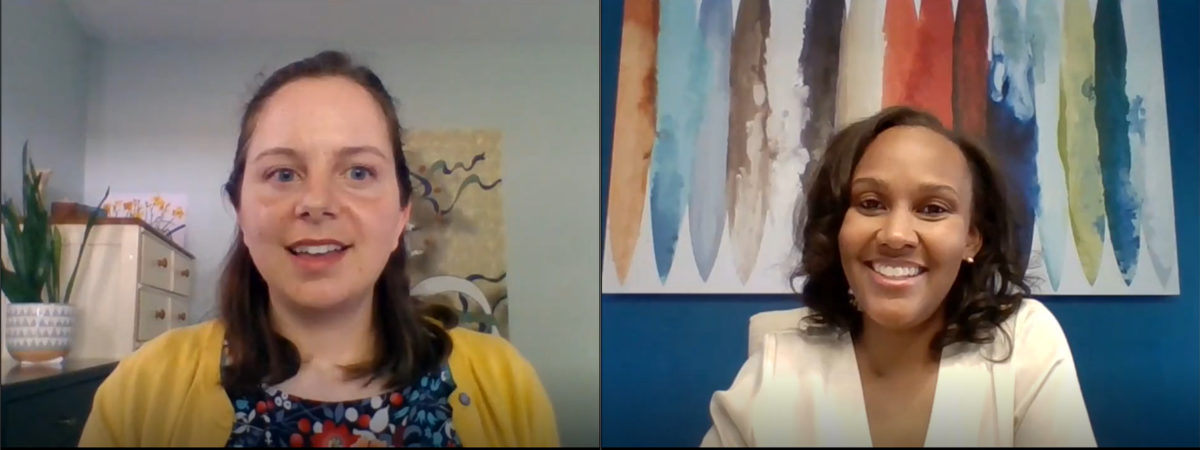
We chatted with Chrisonne Henderson, a community lactation consultant and former breastfeeding peer counselor with the WIC program in Washington DC, about her experiences with the WIC peer counselor program. Watch the interview between Carol Dreibelbis from 1,000 Days and Chrisonne about why breastfeeding peer counselors are a critical source of support for breastfeeding mothers in the WIC program. 

A transcript of the conversation is shared below. 

0:00 CAROL Hello, everyone. Today, I’m here with Chrisonne Henderson, a community lactation consultant and former breastfeeding peer counselor with the WIC program here in Washington, DC. The DC Department of Health serves as the state agency and oversees the WIC nutrition services and the breastfeeding peer counseling program. Welcome, Chrisonne! 

0:21 CHRISONNE Hello, thank you so much for having me. 

0:23 CAROL Today, we’re here to talk about the breastfeeding peer counselor program. Peer counselors provide information and support to help moms meet their breastfeeding goals. They are moms from the community who have breastfed their own babies, and as a part of the WIC team they serve as a role model for families, they connect with and provide encouragement to moms, and they help mothers manage common breastfeeding concerns. 

0:48 Chrisonne, thank you so much for being here and congratulations on your recent promotion from WIC peer counselor to community lactation consultant and breastfeeding coordinator. It’s very exciting. 

1:00 I’m really looking forward to hearing about your journey supporting breastfeeding moms through WIC. And I know you first became a WIC peer counselor back in 2012, but first let’s just start at the beginning. What is your own story as a WIC participant and how did WIC help support you on your breastfeeding journey? 

1:18 CHRISONNE Once again, thank you. It’s been a long time coming. In 2012, I did become a [WIC] participant during my postpartum when my son was about three months old. I did not receive WIC during my pregnancy, but I’m so grateful that I did start receiving it when my son was three months old. 

1:43 And I remember my first appointment, it was the first time I remember being praised about breastfeeding my son exclusively. For my family, this was something that we just did, so no one was really praising me on breastfeeding my baby; it was like, this was what you were supposed to do. And from the other side of the family, it was more like, how long are you going to do this for?  

2:15 So, when I was there, I was in a way thrown off like, wow, they’re really excited that I’m breastfeeding. And not only just breastfeeding, but they always made sure to put that exclusive breastfeeding in there. Like, oh, wow, you’re breastfeeding exclusively. That’s wonderful. Keep it up. 

2:32 So I remember being really encouraged about what I was doing by breastfeeding my son, because prior to that, I definitely had some difficulties with breastfeeding. 

2:43 And that’s where a spark of interest started for me to learn about lactation, and how to even get into the lactation field as far as a career.  

2:55 CAROL That’s really great. Thanks for sharing that. So I’m curious, what made you want to become a peer counselor? 

3:02 CHRISONNE That’s a good question. Because, to be honest, when I was approached with the offer, I remember sitting there like, well, what is the breastfeeding peer counselor? Because at the local agency where I was going to receive my checks frommy WIC benefits from – at the time, they did not have a breastfeeding peer counselor. 

3:23 But at the same time, like I said, a little bit before having my first WIC appointment, I did start searching to see how to become a lactation professional and finding out what it took to become a lactation consultant and seeing that there were certain requirements that you had to have. And I do remember seeing that at that time, you had to have, I want to say 1,000 hours, at least, under a lactation consultant. And I was just like, wow, I’ll get that right here at this WIC agency. So why not? And that’s how I became a peer counselor. 

3:59 But, of course overall I wanted to help and support moms so that they wouldn’t have to deal with or go through some of the issues and problems that came up in my journey with breastfeeding.  

4:15 That’s really why I took the position: because I had a passion and wanted to help and educate and support moms in their breastfeeding journeys. 

4:26 CAROL That’s really good of you. And you mentioned some of those challenges that you went through. I’m curious, what are some of the biggest challenges you’ve seen as a peer counselor that you’ve seen moms facing when trying to meet their breastfeeding goals, and how as a peer counselor did you help them? 

4:46 CHRISONNE It’s a great question. One that stands out the most is that returning back to work can be a bit difficult. 

4:55 To be honest, this past year, I didn’t have to hear it as much due to COVID. A lot of moms are able to be at home and they were able to continue breastfeeding their babies. A lot of them saw that as a blessing that they were able to work from home. Or, if their job was closed during this time, they were able to stay home and continue breastfeeding, which allowed them to breastfeed longer than what they expected or to reach certain goals that they, once again, weren’t expecting to reach. 

5:28 But, when we do have moms who have to return back to work a little bit sooner than they would want to, something that we do as breastfeeding peer counselors is help mom get pumps through their insurance, helping them and educating them so that they are prepared when they go back to work. So, we’re also talking about laws breastfeeding and pumping laws and also helping them as far as getting a schedule together. Pumping so that you can store up some milk before you go back to work, as well. And then also maybe even working on a schedule and seeing when you will be able to pump at work. 

5:59 And then, of course, still encouraging them, because even though you may have those laws to protect you pumping, who’s to say that you’re going to have your coworkers who are going to be excited about you taking breaks every couple of hours. Because, of course, we have some moms who have shared with me that, yes, I’m pumping, but every time I have to have someone to cover me, if I have to go pump, there’s always an issue, or someone always has something to say, or sometimes it may be a boss is giving them a hard time. 

6:26 So, it’s educating and supporting moms. But of course, there are other challenges that come up with breastfeeding, or milk supply, or even having a lack of support at home. But I feel like the returning to work can be a biggie 

6:43 CAROL I’m curious, why is the peer relationships so important as a peer counselor? In other words, why does it make such a difference that peer counselors are offering that mom-to-mom support, and it’s coming from the community they serve? 

6:57 CHRISONNE That’s another great question. I think the peer relationship, and that peer support, is important because as peer counselors, you’ve been on the WIC program. You understand how the WIC program works. You understand how the appointments go, you understand how it feels to go out and use your benefits when you’re in the store. 

7:18 So, having that experience, I think, helps moms to feel more comfortable with you. Knowing that I’m going through the same thing you are, or we’re experiencing some of the same things, or even sometimes even the same struggles. 

7:35 And I think because of that, and being able to be open with our moms, then they feel that they can be open. They may feel a bit more comfortable to talk to us and share things with us. Because I’ve definitely had some moments where some moms opened up and share some things with me that maybe they didn’t share with a nutritionist or share with the person who was taking their information. I think those things definitely help 

8:05 CAROL That makes a lot of sense. Such a valuable addition to the WIC team, I’m sure. 

8:10 Now I would love to hear, what was the most rewarding part about being a breastfeeding peer counselor for you? 

8:19 CHRISONNE I would say it’s hearing from moms how you help them. Because sometimes when you have a mom share with you how you help during their journey I feel like it always comes on the worst day that you’re having, or you feel really bad, or maybe it didn’t go so well with helping a mom with latching her baby on, and sometimes you just feel down or bad. But then you may get a text from a mom that says, you know what, I’ve reached a certain milestone, six months milestone, and I just want to thank you so much for all your help and your support. And it really helps to make you feel good.  

8:58 When I first became a peer counselor, like I said, it was 2012 so sometimes even running into some of those moms that I helped years ago and seeing their children grow. And knowing that I played a part in the baby’s development because I helped mom with breastfeeding, it’s so rewarding. So rewarding just to see that and to know that she remembers me and how I helped her. 

9:25 CAROL Yeah, that’s got to be such a great feeling. Thank you so much for sharing that with me. 

9:33 As you may know, this year, Congress is working on Child Nutrition Reauthorization, which is a process during which they review the laws governing WIC and other federal child nutrition programs. Through this process, Congress has a really important opportunity this year to improve and strengthen WIC to ensure that families can continue accessing nutritious foods and the support they need to meet their breastfeeding goals. 

9:59 Why do you think it’s important for your story and the real-world experiences of peer counselors in general to be part of the conversation when these discussions are happening in Congress? 

10:11 CHRISONNE I’m so happy you brought that up because I feel like there’s a difference in knowing everyone knows WIC is a supplemental nutrition program, and we also give education. But at the same time, WIC for me was a life-changing experience. 

10:33 I think hearing those stories definitely makes a difference rather just, oh yeah, I know WIC and that they do this. Hearing that, wow, not only did WIC help her by giving her the benefits as far as food and also giving her education, but at the same time, WIC gave me a place to grow as a breastfeeding peer counselor.  

10:55 I’m just so grateful for that offer years ago, when I had no idea what a peer counselor was. I’m so glad I took that because it changed me as a person. It gave me a career. It’s a career and something that I’m truly passionate about. 

11:13 I think being able to share that passion and being able to share my story, and peer counselors to share their stories because I know their stories may not necessarily look exactly like mine just hearing that is helpful. Rather than just seeing or hearing or knowing what WIC does as far as the nutrition part or the education part.  

11:36 Just really seeing what it’s doing in the lives of their participants, and also even their employees. 

11:44 CAROL Right. And I think you can only really measure the success of a program by how it’s affecting the lives of families. 

11:56 Thanks for talking with me today and sharing your experiences. I really enjoyed our conversation, and I know that our viewers will as well. Thank you.  

12:03 CHRISONNE I hope so. Thank you so much. And thank you again for having me. 
Over three dozen maternal & child health groups send letter to key committee supporting paid leave

April 21, 2021

House Committee on Ways and Means
1100 Longworth House Office Building
Washington, DC 20515

Re: Committee hearing on “In Their Own Words: Paid Leave, Child Care, and an Economy That Failed Women”

Chairman Neal, Ranking Member Brady, Members of the Committee,

We, the undersigned maternal and child health organizations and their partners, would like to thank the House Committee on Ways and Means for holding this hearing on paid family and medical leave, child care, and other issues of critical importance to working families, during the coronavirus pandemic and beyond. We strongly urge Congress to support a comprehensive paid family and medical leave policy to support optimal child development, improve maternal health, reduce disparities and enable future generations to live healthier lives.

Unlike in most other countries, in the U.S. parents are often unable to take time off from work to care for a new child, critically ill loved-one, or tend to their own medical needs without sacrificing the income they need to support their families. This has profound and lasting impacts on maternal and child health in the United States. Because pregnancy, childbirth and the transition to parenthood can be physically and psychologically demanding, people need time to care for themselves and their health. Paid leave is a critical tool to support healthier pregnancies, better birth outcomes, more successful breastfeeding and both physical and mental health in the postpartum period. Additionally, inclusive and comprehensive policies can reduce the inequities in access to paid leave, helping to bridge the racial and ethnic disparities in overall maternal and child health outcomes.

Beyond allowing for physical recovery after childbirth, paid time off from work is essential to providing a strong foundation for mom, baby and their family to thrive. Science tells us that babies’ brains are nourished by time spent with parents and caregivers. Policies that enable parents to spend time nurturing and caring for their babies—particularly in the early weeks after birth and for babies that are born pre-term, low birth weight or with illness—are critical to the healthy cognitive, social and emotional development of children.

The need for a comprehensive, equitable paid leave policy has taken on new salience in the past year, as many workers struggled to take time away from work to recover from COVID-19 or care for a sick loved one without risking their paycheck and their livelihood. The pandemic has drawn attention to and expanded preexisting disparities, creating both a health crisis and an economic crisis that has disproportionately impacted women, low-income families, and families of color. Now more than ever, it is clear: paid leave is a public health imperative.

It is time for Congress to act, and to provide all families with the comprehensive paid family and medical leave policy they need. We are grateful to Chairman Neal and the Committee on Ways and Means for holding this important hearing and we look forward to working with you to advance a comprehensive, national paid leave policy to meet the needs of American families.

Sincerely,

1,000 Days
2020 Mom
American Academy of Pediatrics
Association of Maternal & Child Health Programs
Better Life Lab at New America
Center for Law and Social Policy (CLASP)
Center for Public Justice
Child Care Aware of America
DC Dorothy Day Catholic Worker
Every Mother Counts
The HOPE Registry
Jennifer Bush-Lawson Foundation
Kansas Breastfeeding Coalition
Maine Women’s Lobby
March for Moms
March of Dimes
Mom Congress
MomsRising
NARAL Pro-Choice America
National Association of Nurse Practitioners in Women’s Health
National Birth Equity Collaborative
National Center for Parent Leadership, Advocacy, and Community Empowerment (National PLACE)
National Council of Jewish Women
National Council of Jewish Women Los Angeles
National Partnership for Women and Families
National WIC Association
NETWORK Lobby for Catholic Social Justice
Nurse-Family Partnership
Paid Leave for All
Palladium
Physicians for Reproductive Health
PL+US: Paid Leave for the United States
Poder Latinx
Shriver Center on Poverty Law
SPAN Parent Advocacy Network (SPAN)
RESULTS
Union for Reform Judaism
US Breastfeeding Committee
Women of Reform Judaism
Women’s Law Project

Guest Post – The Patient & The Policy Maven: Navigating Black Maternal Health Through Lived & Learned Experiences

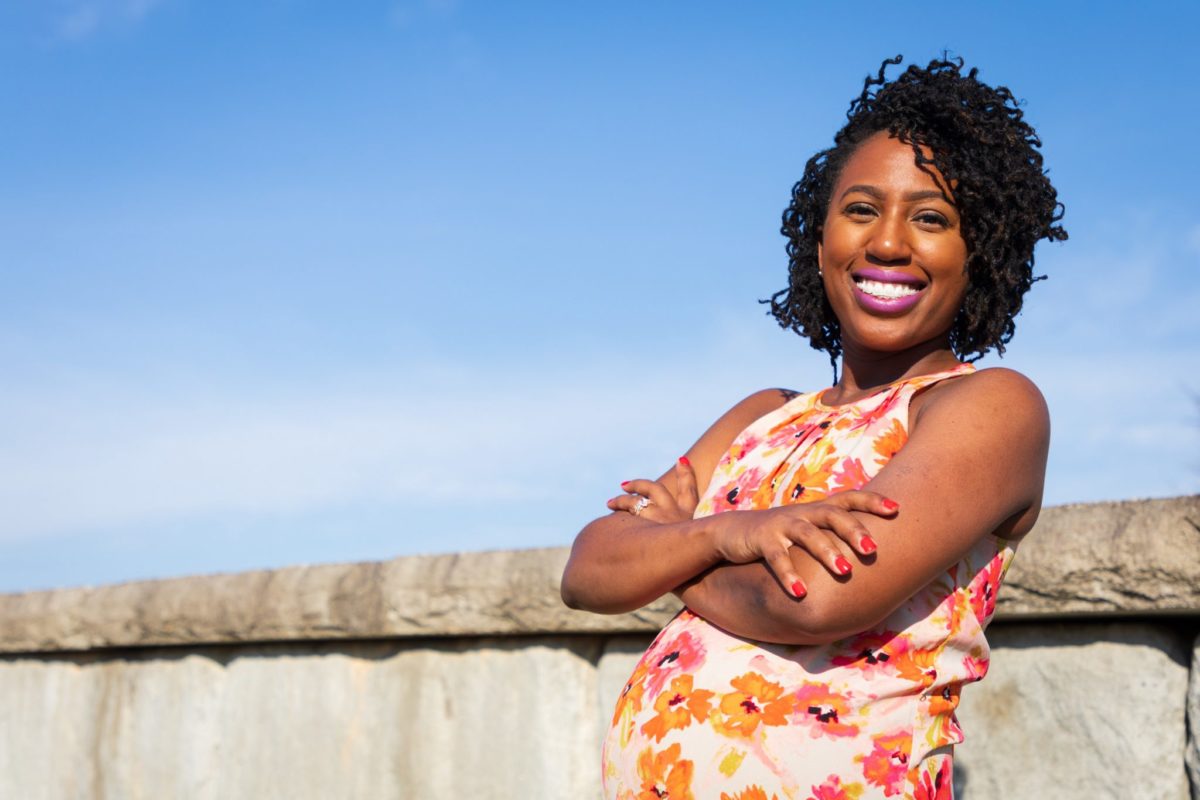
Below is an excerpt of a guest post written by Denys Symonette Mitchell for Black Maternal Health Week.

I remember reading through the pages of a New York Times viral article that unlocked my life’s passion and fueled my drive for health equity. I remember the words being weighty and my petite frame sinking lower with each sentence. I can still feel the tremble in my hands and the shock of my system while reading the shared narratives of women whose lives seemed to mirror mine and realizing that I am a member of the group that is populating the statistics. With sharp precision, I remember when I first learned of Black maternal mortality, which bleeds through zip codes, socioeconomic statues and education levels, too.

To continue reading…

Statement on the American Jobs Plan

1,000 Days is pleased to see the Biden-Harris Administration’s proposal to ensure access to clean, safe drinking water as announced in the American Jobs Plan this week. The plan invests $111 billion to improve water infrastructure, including eliminating 100% of lead pipes and service lines and monitoring and remediating PFAS (per- and polyfluoroalkyl substances) in our drinking water systems. 

Families in the 1,000-day window are especially vulnerable to the harmful effects of unsafe drinking water. There is no safe level of lead exposure for children, but an estimated six to 10 million homes across the country still receive drinking water through lead pipes and service lines. Lead exposure can cause serious, permanent damage to children’s developing brains and cause learning, behavior, and hearing problems. Infants and young children are especially likely to be exposed to lead – and the risk of lead poisoning falls disproportionately on children of color. In fact, Black children are nearly three times as likely as white children to have elevated blood-lead levels.  

Additionally, PFAS are harmful to both pregnant women and their developing babies. Prenatal exposure to these widely used industrial chemicals can disrupt metabolism and immunity, which may cause lasting effects on both mom and baby – from a higher risk of gestational diabetes and preeclampsia during pregnancy to a child’s increased risk of obesity and infections. 

No family should have to worry about harmful exposures through their drinking water. Access to clean, safe drinking water is a basic but critical part of a healthy first 1,000 days – whether it’s as a source of hydration during pregnancy and breastfeeding, or as a source of nourishment for babies who consume infant formula. 

The Biden-Harris Administration’s investment is a critical step to ensuring mothers and babies are safe and healthy during and after the 1,000-day window. But, we know that the needs of mothers, babies, and families in the United States go far beyond what is included in the American Jobs Plan. At 1,000 Days, we look forward to the next portion of the Administration’s infrastructure package: the American Families Plan. A full recovery cannot occur without a permanent paid leave program and paid sick days, continued investments in WIC, further access to postpartum health care via Medicaid, and an extension of the increased Child Tax Credit.

New MyPlate Resources for Healthy Eating During the First 1,000 Days

In December, the U.S. Departments of Agriculture (USDA) and Health and Human Services (HHS) released the Dietary Guidelines for Americans 2020 – 2025, which for the first time ever included nutrition advice for women and children throughout the 1,000-day window from pregnancy to a child’s second birthday.

A few days later, 1,000 Days joined USDA as a MyPlate National Strategic Partner. In this capacity, we are working together with USDA to disseminate key messages from the Dietary Guidelines. At 1,000 Days, we know that nutrition is critical to the health and well-being of moms and babies. In addition to our work advocating for policies and programs that ensure families can access nutritious foods, 1,000 Days is pleased to join USDA in equipping families with the information they need to have a healthy first 1,000 days and beyond.

New Resources for Healthy Eating

As we wrote previously, the newest edition of the Dietary Guidelines includes specific recommendations for infants, toddlers, and pregnant and breastfeeding women. Families can find resources for good nutrition during each of these life stages on the MyPlate website:

Using the new MyPlate Plan tool, women who are pregnant or breastfeeding (and their families) can get a personalized food plan for healthy eating. The MyPlate Plan shows food group targets, including what and how much to eat, based on an individual’s age, sex, height, weight, physical activity level, and pregnancy/breastfeeding status. MyPlate Plan is available in both English and Spanish:

For more resources and tips about healthy eating during the first 1,000 days, visit MyPlate.gov.

What We’re Working On: Our Advocacy Agenda for Nutrition in the First 1,000 Days

This National Nutrition Month, 1,000 Days is spotlighting the connection between nutrition and COVID-19 through our annual #March4Nutrition campaign. Over the last few weeks, we have explored the importance of nutrition for building immunity and resilience as well as the impact of COVID-19 on women and young children in the U.S. and around the world.

This week is all about solutions. We are featuring the advocacy actions 1,000 Days is pursuing to support women and children in their 1,000-day window during the COVID-19 pandemic and beyond.

Programs and policies that prioritize the health and nutrition of moms and babies can significantly improve outcomes for young children and their families. Providing moms and babies with the right supports – including access to healthy foods, family and workplace supports to reach their breastfeeding goals, and health services – sets them up for success for the rest of their lives.

For the nutrition and health of moms and babies everywhere, we urge the United States Government to support an immediate rollout of the Power 4, a targeted set of preventative and curative nutrition interventions that can save lives now:

  1. Supplying all pregnant women with prenatal vitamins;
  2. Supporting breastfeeding mothers;
  3. Continuing large-scale vitamin A supplementation; and
  4. Providing lifesaving therapeutic foods to wasted children.

The U.S. Government must also address malnutrition as a central pillar of our global COVID-19 response strategy.

To ensure the health and well-being of families here in the United States, we call for continued, robust investment in the policies and programs that moms and babies rely on to access nutrition, care, and support during the first 1,000 Days:

  • Increased funding and flexibility for federal nutrition programs, including WIC, SNAP and CACFP
  • Guaranteed access to paid sick days and paid family and medical leave
  • Access to quality, comprehensive, and affordable healthcare before, during, and after pregnancy and for all infants and toddlers

Throughout all of these efforts, we must maintain a particular aim to eliminate racial and ethnic disparities in health outcomes and food security.

This #March4Nutrition, as our nation and our world build back from the pandemic and look toward the future, now is our opportunity to invest in the world we all want to see: a world where moms, babies, and their families are healthy and thriving during the first 1,000 days and beyond. Here at 1,000 Days, this is what we fight for every day.

New Data on Excess Weight in US Infants and Toddlers

In December 2020, the CDC’s National Center for Health Statistics released a brief on excess weight in U.S. infants and toddlers over the last several decades. Since a low point in 2011-2012, rates of weight excess in infants and toddlers under 2 years of age have been climbing. According to the most recent data in 2017-2018, about 1 in 10 U.S. infants and toddlers is overweight.

Excess weight in this age group is measured based on weight-per-recumbent length, defined as either >95th percentile on the CDC sex-specific growth charts or >97.7th percentile on the WHO sex-specific growth standards. Data were drawn from National Health and Nutrition Examination Surveys (NHANES), which sample the civilian non-institutionalized U.S.population.

The 1,000-day window from a woman’s pregnancy to her child’s second birthday sets the foundation for all of the days that follow. Overweight infants and toddlers are at risk for staying overweight into adolescence and adulthood, but the early-life period may be the optimal time to intervene (source).

1,000 Days continues to support programs and policies such as the Special Supplemental Nutrition Program for Women, Infants, and Children (WIC), which helps families achieve healthy diets to change the trajectory of their children’s health. A revision to the WIC food package in 2009 was associated with reduced early childhood obesity risk, especially among breastfed infants but also among formula-fed infants (source). This as well as other programs designed to counteract rapid early-life weight gain could have lasting impacts that protect against obesity and ensure all moms and babies can access the nutrition they need to thrive.

#March4Nutrition in the United States: The Impact of COVID on Nutrition in the First 1,000 Days

This National Nutrition Month, 1,000 Days is highlighting the connection between nutrition and COVID-19 through our annual #March4Nutrition campaign. All month long, we invite you to follow #March4Nutrition on Facebook, Instagram, and Twitter.

This week, we are calling attention to the impact of the pandemic on the health of women and young children in the United States. We will spotlight the challenges many families are facing as well as innovations and critical supports that are making a difference.

The current health and economic crises have been especially difficult for women, including those in the 1,000-day window. Pregnant women are at increased risk of developing serious illness or dying as a result of COVID-19, and physical distancing restrictions are in some ways reshaping the experience of prenatal care, birth, and the postpartum period. Meanwhile, 2.5 million women have been pushed out of the workforce since the beginning of the pandemic. COVID-19 has further entrenched racial, economic, and health inequities, leaving more families food insecure and without access to the quality healthcare they need to stay healthy and safe.

The 1,000 days between a woman’s pregnancy and her child’s second birthday set the foundation for all those that follow, and healthy moms and babies are the foundation of a healthy society. Now more than ever, our nation’s families must have access to emergency paid sick days and paid leave provisions to care for themselves and their loved ones and help women meet their breastfeeding goals. Low- and moderate-income families must have access to quality and affordable healthcare. And vital nutrition programs like WIC and SNAP must have increased funding and flexibility to best meet the needs of the families who rely on them.

All across the country, programs have been adapting to the COVID-19 crisis to continue enabling families to access the nutrition, support, and care they need to be healthy. When the Families First Coronavirus Response Act provided critical flexibilities to the WIC program, WIC agencies quickly transitioned from in-person to remote enrollment and issuance of benefits. This provides a critical lifeline for women like Victoria, a WIC client who wrote:

“Thank you for making it easy and safe to sign up for the program in the midst of the COVID-19 crisis. My husband and I were not planning to need services like this, but when he got laid off, it was wonderful to know we have WIC to fall back on.”

Innovations like this – as well as the provisions for paid leave that were included in pandemic relief legislation – must continue on after the pandemic. Families depend on these supports to have the healthiest first 1,000 days.

U.S. #March4Nutrition Twitter Chat – The Impact of COVID on Nutrition

Overview:

March is both the one-year anniversary of when COVID-19 was officially announced as a global pandemic by WHO and National Nutrition Month in the United States. We know that immunity and nutrition are linked: good nutrition strengthens the immunity and overall health of moms, babies, families, and societies. Ensuring families have access to nutrition during the 1,000-day window is a key way to build resilience to future pandemics.

As part of our annual #March4Nutrition campaign, we are hosting a Twitter chat from the @1000Days account on the impact of COVID on the nutrition and health of moms and babies in the United States during the first 1,000 days. We hope you can join us!

 Host: @1000Days

When: Friday, March 19 at 11am ET

Primary Hashtag: #March4Nutrition

Important Reminders:

  • All tweets must include the #March4Nutrition hashtag to be part of the Twitter chat stream.
  • Retweet questions that you are responding to, so your followers can follow the conversation even if they’re not following the chat.
  • Responses should include the question number you are referencing (A1, A2, etc.)

Promo for participating partners:  

  • We’re excited to be participating in @1000Days’s #March4Nutrition Twitter chat on the impact of COVID on #nutrition for moms and babies in the U.S. during the first 1,000 days. Join us!

Script:

Q1: Nutrition plays a key role in keeping families and communities healthy and strong. How has #COVID19 affected the #nutrition and health of moms, babies, and their families in the U.S.? #March4Nutrition

Q2: The pandemic has hit some families harder than others. How has #COVID19 exacerbated existing disparities and inequities in access to #nutrition for moms and babies in the U.S.? #March4Nutrition

Q3: Why is it especially important for #COVID19 policy responses to focus on the needs of women and young children? #March4Nutrition

Q4: Now more than ever, our nation’s families must have access to the nutrition supports they need to be healthy. How has the Biden Administration’s #COVID19 relief package improved access to #nutrition for moms and babies? #March4Nutrition

Q5: What supports do families still need to access nutritious foods for a healthy #first1000days and beyond? #March4Nutrition

Q6: All across the country, programs have adapted to the #COVID19 crisis helping families continue to access the #nutrition they need to be healthy. Share examples of innovations you would like to see keep going after the pandemic ends. #March4Nutrition