Global Breastfeeding Collective: Breastfeeding Advocacy Toolkit – Enacting Paid Family Leave and Workplace Breastfeeding Policies
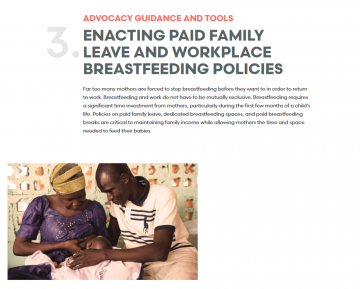
Led by UNICEF and WHO, the Global Breastfeeding Collective (the Collective) is a partnership of more than 20 international organizations with the goal of increasing investment and policy change to support breastfeeding worldwide, which requires advocacy at the global, national, and sub-national levels. Developed by the Collective, this document is one of seven briefs that provide guidance and resources to stakeholders on how to advocate for adoption of these policy actions with government ministries, health care workers and managers, employers, donors, and other key decision-makers.
Global Breastfeeding Collective: Breastfeeding Advocacy Toolkit – Strengthening Regulations on Breastmilk Substitutes Marketing

Led by UNICEF and WHO, the Global Breastfeeding Collective (the Collective) is a partnership of more than 20 international organizations with the goal of increasing investment and policy change to support breastfeeding worldwide, which requires advocacy at the global, national, and sub-national levels. Developed by the Collective, this document is one of seven briefs that provide guidance and resources to stakeholders on how to advocate for adoption of these policy actions with government ministries, health care workers and managers, employers, donors, and other key decision-makers.
Our Global Work

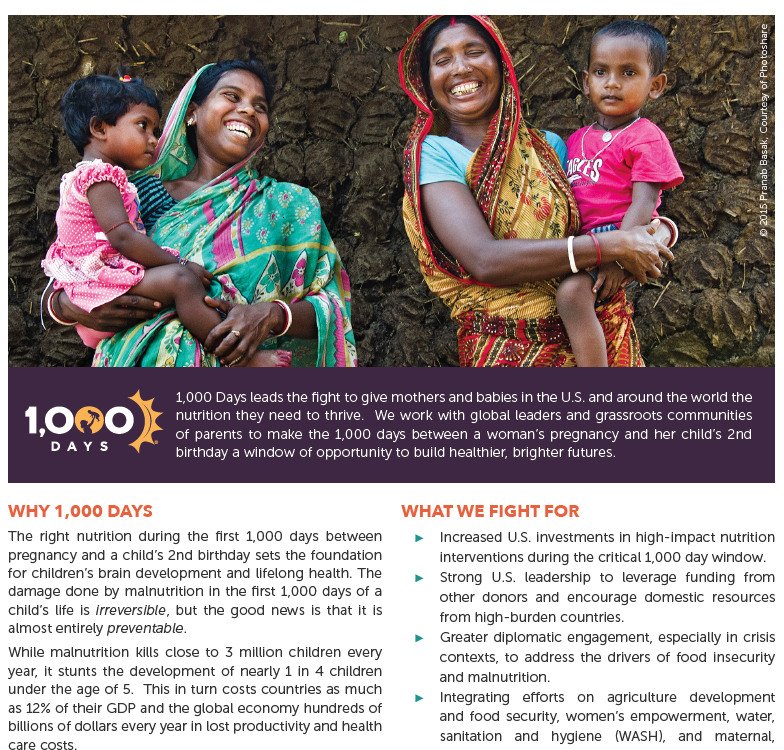
1,000 Days leads the fight to give mothers and babies in the U.S. and around the world the nutrition they need to thrive. We work with global leaders and grassroots communities of parents to make the 1,000 days between a woman’s pregnancy and her child’s 2nd birthday a window of opportunity to build healthier, brighter futures.

The right nutrition during the first 1,000 days between pregnancy and a child’s 2nd birthday sets the foundation for children’s brain development and lifelong health. The damage done by malnutrition in the first 1,000 days of a child’s life is irreversible, but the good news is that it is almost entirely preventable.

Unleashing Gains is Economic Productivity with Investments in Nutrition

“Investments in optimum nutrition—particularly those focused on the critical first 1,000 days of life—are some of the best value-for-money development actions. They help prevent the devastating, lifelong consequences of childhood malnutrition and enable children to be healthy, educated, productive members of society.”

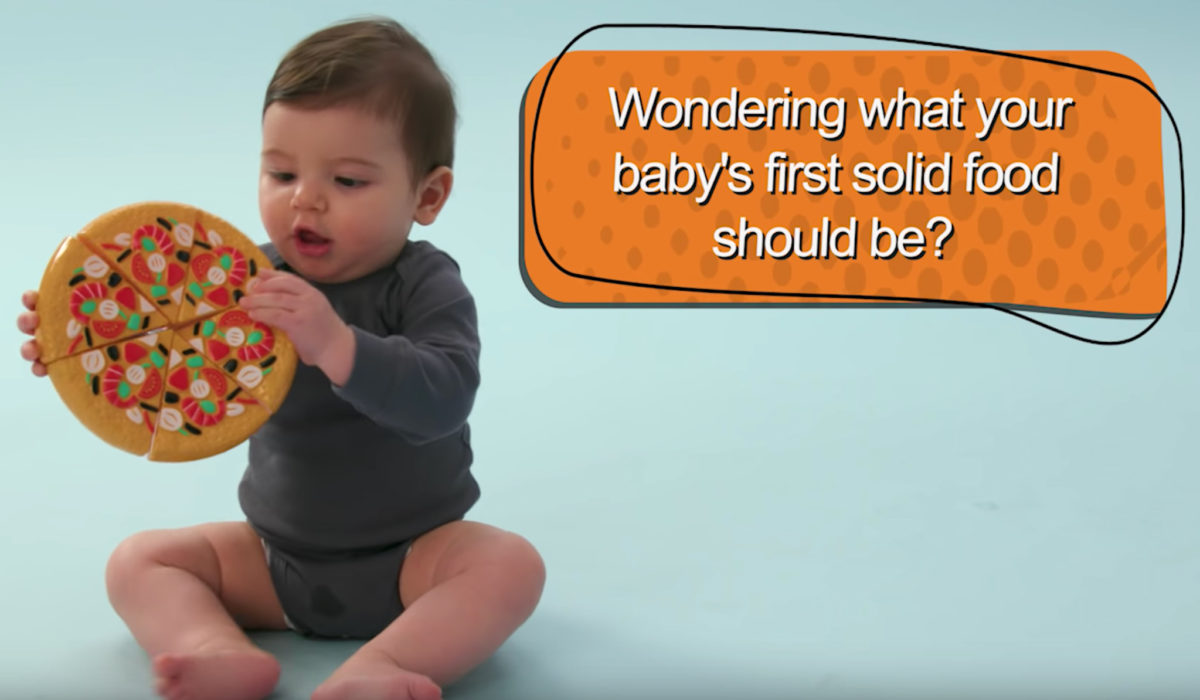
What is a good first food for your baby?

As your baby transitions from breast milk and/or formula to now trying foods for the first time, it may have you wondering: What is a good first food to feed my baby?

Foods that are rich in iron and zinc make great first foods. This is especially important for breastfed babies since babies will start to require more iron than found in breast milk alone. Iron is a key nutrient that is important for your baby’s growing body and brain.
Iron-rich first foods include:

  • Meats like chicken, turkey or beef. Animal meats contain iron that is easy for your baby’s body to absorb.
  • A variety of infant cereals that are fortified with iron and zinc, including oat, barely and multigrain cereals. Look for infant cereals that are labeled “Fortified with iron and zinc.” It’s important for babies to eat different types of infant cereal – like oat, barely and multigrain – so of feed your little one a variety of grains, not just one kind.

While there is no specific order to introducing foods, it is important to introduce your baby to foods that are rich in iron and zinc.
And remember, talk to your child’s pediatrician or health care provider about any questions or concerns.
To learn more, check out these additional resources related to this topic:

Frequently Asked Questions

No-cook first foods

Not all homemade baby foods require cooking. Try these easy, no-cook first foods for babies. All you need is a fork for mashing.

Banana
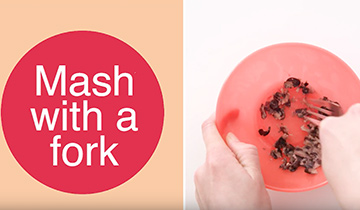
Simply peel a ripe banana and mash it with a fork. Add water, breast milk or infant formula for a smoother texture.

Avocado
Cut and peel the avocado. Mash it with a fork. Add water, breast milk or infant formula for a smoother texture.

Canned Beans
Open a can of beans, rinse them under water, and put some in a bowl. Mash them with a fork. Add water, breast milk or infant formula for a smoother texture.

 That’s it! Enjoy! And remember, talk to your child’s pediatrician or health care provider about any questions or concerns.

To learn more, check out these additional resources related to this topic:

Frequently Asked Questions

How to cook sweet potato

Sweet potatoes are rich in several essential nutrients like potassium, calcium, and vitamins A, C, and B-complex. All of these are important for your baby’s growing body and brain. And sweet potatoes are simple to make!
Here are steps to cook sweet potato for your baby:

Step 1: Wash, peel and cut your sweet potato

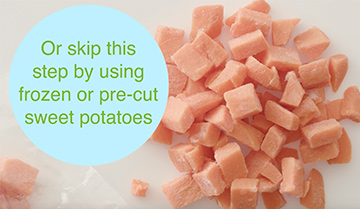
If you’re using frozen sweet potato, you can skip this step. But if you’re using fresh sweet potato, rinse the sweet potato with water, peel it, and cut it into small chunks.

Step 2: Boil the sweet potato

Place the sweet potato chunks into a medium pot, cover with water and bring water to a boil. Reduce heat until the sweet potato is soft (about 15 minutes). Drain and let cool. As a tip, to speed up the cooling process you can rinse the sweet potato with cold water.

Step 3: Puree or Serve as a Finger Food

For a smoother texture, you can puree the sweet potato in a blender. Add water, breast milk or infant formula and blend until it is smooth. If your baby is already enjoying soft finger foods, you can simply offer him or her bite-sized pieces of soft sweet potato.

That’s it! Enjoy! And remember, talk to your child’s pediatrician or health care provider about any questions or concerns.

To learn more, check out these additional resources related to this topic:

Frequently Asked Questions

How to cook broccoli

As your baby begins to try foods for the first time, it is important that he or she eat foods that are rich in iron and zinc. Broccoli is full of iron and other important nutrients that are essential for baby’s growing body and brain. And it is easy to make!
Here are steps to cook broccoli for your baby:

Step 1: Cut and wash your broccoli

If you’re using frozen broccoli, you can skip this step. But if you’re using fresh broccoli, remove the stalks and rinse with water.

Step 2: Boil the broccoli

Place the broccoli into a medium pot, cover with water and bring water to a boil. Reduce heat until the broccoli is soft (about 15 minutes). Drain and let cool. As a tip, to speed up the cooling process you can rinse the broccoli with cold water.

Step 3: Puree or Serve as a Finger Food

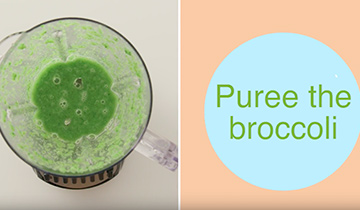
For a smoother texture, you can puree the broccoli in a blender. Add water, breast milk or infant formula and blend until it is smooth. If your baby is already enjoying soft finger foods, you can simply offer him or her bite-sized pieces of broccoli.

That’s it! Enjoy! And remember, talk to your child’s pediatrician or health care provider about any questions or concerns.

To learn more, check out these additional resources related to this topic:

Frequently Asked Questions

How to cook baby’s first meat

As your baby begins to try foods for the first time, it is important that he or she eat foods that are rich in iron and zinc. Iron is a key nutrient that is important for babies’ growing bodies and brains. Meats – like chicken, turkey and beef – are full of iron and can make a great first food your baby.

Here are steps to cook ground beef for your baby:

Step 1: Prepare the ground beef
Place ground beef and about ½ cup of water in a saucepan

Step 2: Cook the meat
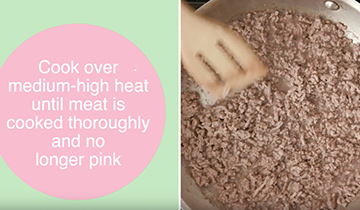
Cook over medium-high heat until meat is cooked thoroughly and no longer pink (approximately 6 to 8 minutes). Ground meat should be cooked to an internal temperature of 160 degrees Fahrenheit.

Step 3: Puree or Serve as a Finger Food
For a smoother texture, you can puree the beef in a blender. Add water, breast milk or infant formula and blend until it is smooth.

Now enjoy watching your baby pump that iron! And remember, talk to your child’s pediatrician or health care provider about any questions or concerns.

To learn more, check out these additional resources related to this topic:

Frequently Asked Questions