Category: Uncategorized

The Impact of MMS on Moms and Babies

Official title: Modifiers of the effect of maternal multiple micronutrient supplementation on stillbirth, birth outcomes, and infant mortality: a meta-analysis of individual patient data from 17 randomised trials in low-income and middle-income countries

Published: November 2017

Publication: The Lancet Global Health

Authors: Emily R Smith, Anuraj H Shankar, Lee S-F Wu, Said Aboud, Seth Adu-Afarwuah, Hasmot Ali, Rina Agustina, Shams Arifeen, Per Ashorn, Zulfiqar A Bhutta, Parul Christian, Delanjathan Devakumar, Kathryn G Dewey, Henrik Friis, Exnevia Gomo, Piyush Gupta, Pernille Kæstel, Patrick Kolsteren, Hermann Lanou, Kenneth Maleta, Aissa Mamadoultaibou, Gernard Msamanga, David Osrin, Lars-Åke Persson, Usha Ramakrishnan, Juan A Rivera, Arjumand Rizvi, H P S Sachdev, Willy Urassa, Keith P West Jr, Noel Zagre, Lingxia Ze

Read the original paper here.

Summary 

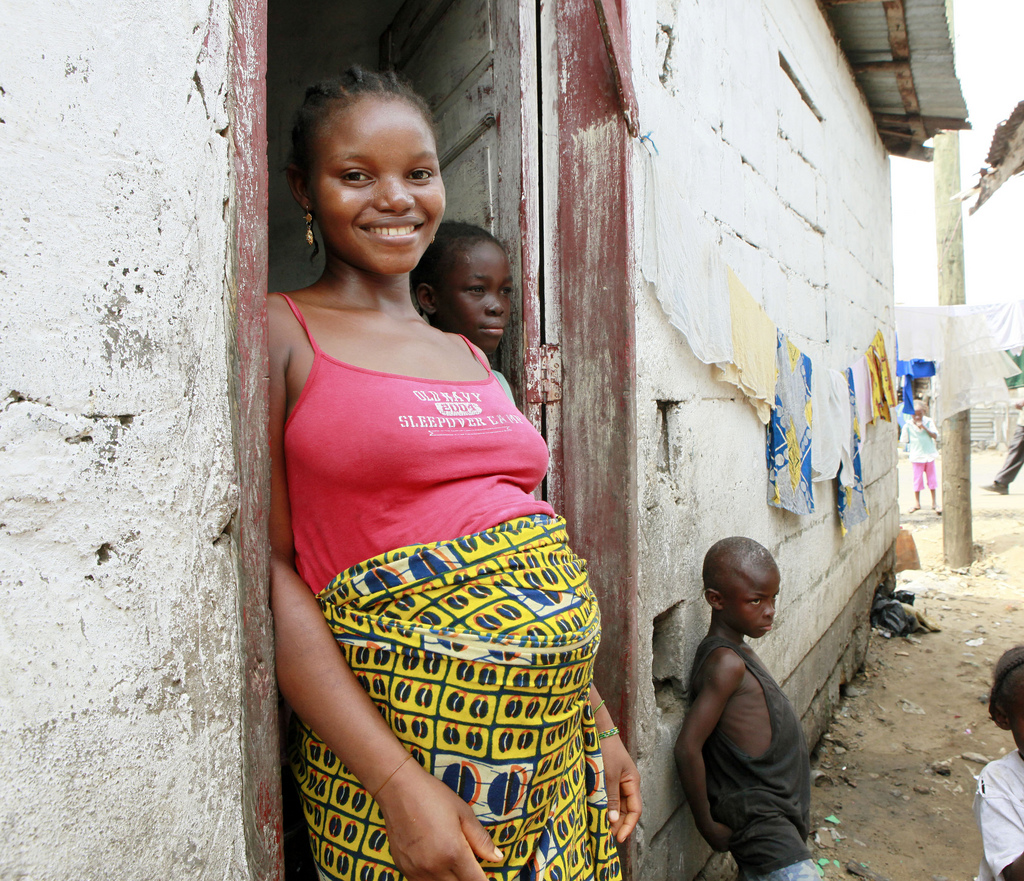
  • Pregnant women need extra nutrition for themselves and their babies.
  • Many pregnant women don’t get enough nutrients from the food they eat.  
  • Micronutrient deficiencies during pregnancy put both mothers and babies at risk of birth complications and death.
  • Lack of nutrients in this critical period can prevent children from reaching their full physical and mental potential.
  • To help avoid this, nutrition programs often give pregnant women iron and folic acid (IFA) to supplement the nutrients they get from the food they eat.
  • Recent research has suggested that women might be better off if they got a multiple micronutrient supplement (MMS) instead of just iron and folic acid (IFA). 
  • Researchers have been trying to figure out if MMS is safe, effective, and cheap enough to recommend switching out IFA and replacing it with MMS
  • This paper analyzed 17 different studies testing MMS and IFA.
  • The analysis found that compared to IFA, MMS:
    1. Reduced the risk of low birthweight babies, preterm babies, and small babies.
    2. Reduced the number of infant deaths in the days after birth, especially for girls. 
    3. Reduced the number of kids who were born to anemic mothers and died before 6 months.
    4. Reduced the number of preterm births.
  • Researchers also discovered something they hadn’t known before: The benefits of taking MMS during pregnancy instead of IFA were even bigger if moms were malnourished. Malnourished women who took MMS while they were pregnant saw an even greater decrease in low bithweight, preterm, and small births compared to malnourished women who only took IFA while they were pregnant. 
  • The studies didn’t find any negative effects of taking MMS


Conclusions

  • MMS is safe and more effective than IFA at preventing multiple conditions and death in newborns and babies, especially when moms are malnourished. 
  • The WHO should consider updating its guidelines to reflect the benefits of MMS

5 Actions Governments Can Take to Help Children Suffering from Wasting

Every 11 seconds, a child dies from malnutrition. Over the course of a year, that means that more kids die from malnutrition than the population of Chicago. The COVID-19 pandemic is making these numbers worse. Wasting is the most deadly form of malnutrition, and experts estimate that pandemic-related disruptions are going to create 13.6 million additional cases of wasting by the end of 2022.

It doesn’t have to be this way. Governments can scale key nutrition interventions to stop this crisis from escalating further.

Not only is there already a suite of proven, cost-effective nutrition interventions ready to be scaled today, but researchers have also identified several promising new innovations to treat child wasting that help every dollar go further and save more children.

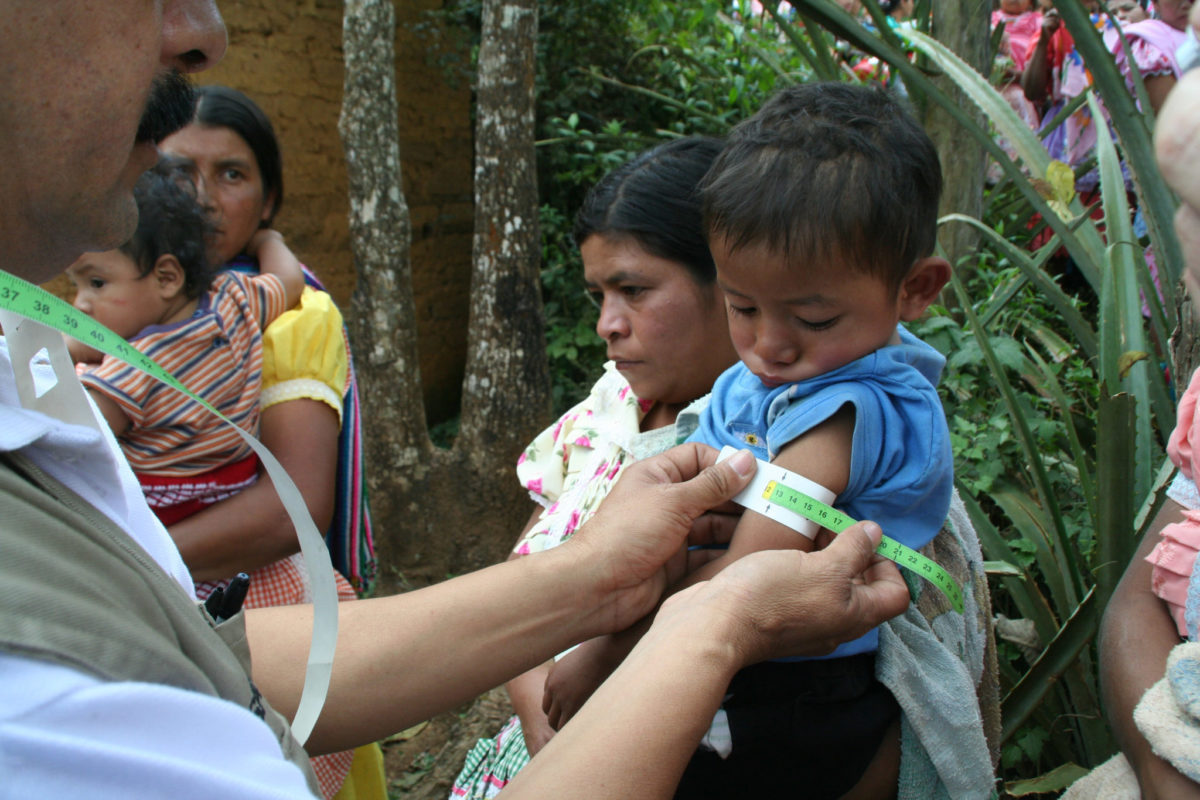
Kids who are already wasted need access to high-quality, reliable treatment in the form of ready-to-use therapeutic foods (RUTF). Today, less than 25% of even the most life-threatening cases get any form of treatment, leaving the majority of wasted children with little hope of a full recovery. We need to do better to deliver this treatment to more kids, especially in hard-to-reach communities where last-mile service delivery is particularly critical.

However, there is also a lot we can do to make sure vulnerable kids don’t become wasted in the first place. To start, we can give children regular doses of vitamin A, support breastfeeding mothers, and make sure all pregnant women have the prenatal vitamins they need to have healthy pregnancies. We know that implementing these proven nutrition interventions at scale will reduce malnutrition rates. These interventions also come with an incredibly high return on investment, with leading economists consistently ranking nutrition interventions as some of the most cost-effective ways to save and improve lives around the world.

Governments have a critical role to play in addressing the wasting crisis. Governments are the backbone of the nutrition sector, ensuring solutions to global malnutrition are available, sustainable, widespread and locally appropriate. At the December 7-8  Nutrition for Growth summit, governments have the opportunity to make SMART commitments to address wasting and avert the worst effects of the pandemic. One of the most immediate things governments can do to reduce wasting rates is come to the stage at the Nutrition for Growth summit with measurable, ambitious financial pledges to scale the nutrition interventions that we know work. But funding alone will not solve this problem. We need to take steps to make limited resources go further. Here are five actions they can take:

  1. Work with UNICEF and other UN agencies to fund and implement the country-specific roadmaps for the Global Action Plan (or GAP) on child wasting.
    National governments have been key partners in developing robust Global Action Plan Country Roadmaps, and will be some of its primary implementers. In order to implement the GAP by 2030, governments around the world can set ambitious coverage targets for high-impact interventions and work with partners to execute their country’s roadmap and monitor their progress.
  2. Participate in WHO and UNICEF’s Guideline Review for child wasting prevention and treatment.
    WHO and UNICEF are currently reviewing and updating technical guidance on how to detect child wasting earlier and optimize the way it is treated. Once they have made  recommendations at the global level, they will focus on reviewing and revising national guidelines to reflect global updates. Governments can pledge to work with UNICEF and the WHO to revise their own national guidelines in line with the updated recommendations.
  3. Invest in innovative financing for wasting treatment
    Governments can engage with emerging opportunities to leverage innovative financing mechanisms to mobilize domestic resources. One recent example is the UNICEF-managed Nutrition Match Fund, which matches domestically mobilized spending on RUTF. Innovative financing can also help prevent supply chain disruptions by offering short term loans to cover temporary cash flow problems (for example, the nutrition window in the Vaccine Independence Initiative (VII)). Governments can also make sure they give implementers flexible funding for their wasting programming. This is important across development, humanitarian and fragile contexts. This flexible funding will help implementers in constantly evolving situations to stay adaptable and quickly direct resources where they need them most.
  4. Integrate wasting treatment services into existing health systems.
    One of the best ways to reach more kids with sustainable wasting treatment programs is to integrate treatment services into existing government-run health systems. Results 4 Development and UNICEF have recently released a detailed resource guide on how to do this. By pledging to develop and implement an integration plan, governments can ensure these programs outlast the life cycle of a single grant or program.
  5. Support ongoing research and innovation.
    In the past few years we have seen incredible advances in how to treat wasted kids more effectively for less money, but these innovations are just the beginning. Ending preventable child deaths from wasting will require ongoing research toward projects like finding a cheaper way to produce RUTF. In many cases, this research will involve identifying and building solutions to context-specific determinants and drivers of child wasting.

Nutrition for Growth is a chance to stand on the world stage and commit to ending malnutrition and preventable child deaths. Action begets action, and so every pledge does more than just fulfill its specific commitments. Pledges inspire other actors to join the movement, and build the momentum necessary to reach our ambitious goals.

As author and journalist Roger Thurow said, “A [malnourished] child anywhere in our world becomes a [malnourished] child everywhere — we all share in the cost of lower education, reduced labor productivity, and escalating health care costs. And perhaps, the greatest costs remain immeasurable — a poem never written, a song never sung, a story never told, a technology never invented, a cure never discovered, a horizon never explored.”

We have the building blocks we need to prevent these absences. All we need now is the will to act.

5 Things to Know About the New AJPH Call for Papers

The American Journal of Public Health (AJPH), in collaboration with 1,000 Days, intends to publish a special issue exploring the importance of the 1,000-day window from pregnancy to age 2 for maternal and child nutrition and health in the United States. 

Scheduled for publication in early November 2022, the supplement will highlight how policies, systems, and environments affect the nutrition of mothers and children during the first 1,000 days. It will also summarize the state of the science and research needs related to maternal and child nutrition in the United States. 

Here are 5 things to know about the call for papers:

    1. Papers of interest will focus on nutrition surveillance, interventions, and policy. Topics of interest include maternal diet and nutrition during pregnancy and lactation; infant and young child feeding; community and workplace nutrition supports; and federal, state, local, and organizational policies and programs that support mothers and young children in the 1,000-day window. 
    2. Some papers may not be relevant. Papers of interest will approach the topics above through a public health lens; clinical or treatment studies are not relevant for this series. Papers may (but are not required to) explore lessons learned from the COVID-19 pandemic response, but results should be relevant beyond the current pandemic.
    3. CDC Director Dr. Ruth Petersen is the guest editor. Dr. Petersen, MD, MPH, is the Director of CDC’s Division of Nutrition, Physical Activity, and Obesity (DNPAO) and brings a breadth of experience and leadership from multiple settings including health care, local and state health departments, national advisory groups, academic settings, the private sector, and global health platforms.  
    4. Detailed instructions on manuscript preparation and formatting can be found on the AJPH website. We recommend you review the instructions for authors, including specific guidelines for each type of manuscript (systematic reviews, research articles, opinion editorials, etc.). Manuscripts must be submitted to AJPH by March 1, 2022 via the online submission system
    5. All articles in this special issue will be open access, thanks to the generous support of the Pritzker Children’s Initiative. (1,000 Days and PCI are actively seeking additional funders for this opportunity. Contact Blythe Thomas, bthomas@fhisolutions.org, for more information about supporting this important effort.)

View the full call for papers for complete instructions for submission. For additional information, please contact guest editor Dr. Ruth Petersen (rpetersen@cdc.gov). 

Please consider submitting your work and sharing this opportunity with your network!

1,000 Days Statement on House Passage of the Build Back Better Act

On behalf of 1,000 Days, I would like to applaud today’s House passage of the Build Back Better Act, which brings us one step closer to a healthier future for families in the 1,000-day window everywhere. This historic bill is a once in a generation investment in children and families, including transformational initiatives to advance health equity, climate justice, food security, and economic prosperity for working families.

From permanent CHIP authorization to closing the Medicaid coverage gap, the Build Back Better Act will dramatically expand access to affordable health care for American families. The bill also makes significant investments in programs to address the vast racial and ethnic disparities in maternal health outcomes in the United States, including several provisions of the Black Maternal Health Momnibus and an extension of postpartum Medicaid coverage. Investments in doulas, initiatives to expand the diversity of the perinatal workforce, and programs to address social determinants of health are critically important steps in improving health outcomes for birthing people of color and their families.

The Build Back Better Act also establishes a long-overdue national, comprehensive paid family and medical leave program to support workers and their families. Whether for a personal health emergency, a public health emergency, to care for an ailing loved one, or to welcome a new child– when families need paid leave, they need paid leave. No one should have to choose between their well-being and their paycheck. At 1,000 Days, we know that paid leave is a public health imperative and a critical tool to support the well-being of moms and babies, address racial and ethnic disparities in maternal health, encourage equitable caregiving practices, and build a healthier future for us all. We strongly urge the Senate to take up and pass the Build Back Better Act as written, as soon as possible. Moms, babies, and their families can’t wait.

Blythe Thomas
Initiative Director
1,000 Days, an initiative of FHI Solutions

Letter to the U.S. Senate to Pass the Global Malnutrition Prevention and Treatment Act

The Honorable Bob Menendez
Senate Committee on Foreign Relations
U.S. Senate
Washington, DC 20515

The Honorable Chuck Schumer
Senate Majority Leader
U.S. Senate
Washington, DC 20515

The Honorable Jim Risch
Senate Committee on Foreign Relations
U.S. Senate
Washington, DC 20515

The Honorable Mitch McConnell
Senate Majority Leader
U.S. Senate
Washington, DC 20515

Dear Chairman Menendez, Ranking Member Risch, Majority Leader Schumer, and Minority Leader McConnell:

All eyes will be on Tokyo in early December as world leaders demonstrate how they will be part of the child survival revolution, and you both are in the unique position to elevate the United States’ leadership. As leaders of nonprofit organizations, many of whom are partners of U.S. government efforts to end preventable childhood deaths, we urge you to quickly mark up and pass S. 2956, the Global Malnutrition Prevention and Act of 2021. With malnutrition rates rising dangerously around the world, this legislation provides the executive branch with the framework, direction and tools that are required to meet this global challenge head on, just as Congress has done in the past on other critical global health issues, such as HIV/AIDS and malaria.

This legislation gives USAID the tools it needs to deploy targeted, evidence-based solutions to prevent and treat malnutrition around the world and to improve the futures of at-risk children and their families. It optimizes U.S. global nutrition assistance programming through improved  coordination with public and private partners; increased coverage of high-impact, proven  interventions in priority countries; and updated  planning and reporting requirements. The bill also calls for participation in innovative finance mechanisms that amplify U.S. government nutrition investments, improved UN system coordination on nutrition programming, and an expanded nutrition research agenda to identify and develop best practices. This legislation could impact the lives of tens of millions of women and children. It will deepen U.S. global leadership and strengthen strategic focus.

The time to act is now. Malnutrition is entirely preventable, but it is a major underlying cause of child deaths worldwide. Malnutrition claims roughly 3.1 million children’s lives each year – meaning a child dies of malnutrition every 11 seconds – and is a key factor in about 45% of deaths in children under age 5. COVID has intensified  this crisis, with experts predicting that the COVID-19 pandemic could cause up to a 50 percent rise in severe malnutrition. Since malnutrition weakens immune systems and leaves young children up to 15 times more likely to die from common infectious diseases, this increase in malnutrition rates threatens to amplify the spread of COVID-19.

On December 7-8, the Government of Japan will host the next Nutrition for Growth (N4G) Summit and leaders from around the world will gather to demonstrate their commitments to ending malnutrition. To reaffirm the U.S. commitment to elevate nutrition, we ask that you prioritize the mark up and passage of the Global Malnutrition Treatment and Prevention Act of 2021 so the President can sign the bill into law in advance of the Summit.

We represent multi-mandate organizations working across a range of issue areas, united in prioritizing nutrition in this crucial time. By coming together and demonstrating a strong U.S. commitment through this legislation, we will save lives and help millions of children and families to survive and thrive.

Sincerely,

Arlene Mitchell, Executive Director, Global Child Nutrition Foundation
Arun Baral, Chief Executive Officer, HarvestPlus
Atul Tandon, Chief Executive Officer, Opportunity International
Bettina Hausmann, President & Chief Executive Officer, UN Association of San Diego
Blythe Thomas, Initiative Director, 1,000 Days
Carrie Hessler Radelet, President, Global Communities
Dr. Charles Owubah, Chief Executive Officer, Action Against Hunger
Edgar Sandoval Sr., President & Chief Executive Officer, World Vision US
Eric P. Mitchell, Executive Director, Alliance to End Hunger
Rev. Eugene Cho, President & Chief Executive Officer, Bread for the World
Dr. Joanne Carter, Executive Director, RESULTS
Kathy Spahn, President and Chief Executive Officer, Helen Keller International
Lisa Hilmi,  Executive Director, CORE Group
Maria Kasparian, Executive Director, Edesia
Mark Moore, Chief Executive Officer, Mana Nutrition
Mark Viso, President & Chief Executive Officer, Food for the Hungry
Michael J. Nyenhuis, President & Chief Executive Officer, UNICEF USA
Michelle Nunn, President & Chief Executive Officer, CARE USA
Rick Santos, President and Chief Executive Officer, Church World Service
Tom Hart, Acting Chief Executive Officer, ONE Campaign
Tricia Beal, Chief Executive Officer, Farm Journal Foundation

CC:

The Honorable Chris Coons
U.S. Senate
Washington, DC 20515

The Honorable Tim Kaine
U.S. Senate
Washington, DC 20515


The Honorable John Boozman
U.S. Senate
Washington, DC 20515

The Honorable Roger Wicker
U.S. Senate
Washington, DC 20515

Letter to the House of Representatives to Pass the Global Malnutrition Prevention and Treatment Act

The Honorable Nancy Pelosi
Speaker
U.S. House of Representatives
Washington, DC 20515

The Honorable Steny Hoyer
Majority Leader
U.S. House of Representatives
Washington, DC 20515

The Honorable James Clyburn
Majority Whip
U.S. House of Representatives
Washington, DC 20515

The Honorable Kevin McCarthy
Minority Leader
U.S. House of Representatives
Washington, DC 20515

The Honorable Steve Scalise
Minority Whip
U.S. House of Representatives
Washington, DC 20515

Dear Speaker Pelosi, Majority Leader Hoyer, Minority Leader McCarthy, Majority Whip Clyburn, and Minority Whip Scalise:

All eyes will be on Tokyo in early December as world leaders demonstrate how they will be part of the child survival revolution, and you are uniquely positioned to elevate the United States’ leadership. As CEOs and partners of U.S. government efforts to end preventable childhood deaths, we write to request that the U.S. House of Representatives immediately move to take up and pass H.R.4693, the Global Malnutrition Prevention and Treatment Act, on the suspension calendar.

H.R. 4693 passed the House Committee on Foreign Affairs on July 29, 2021 with unanimous support. With malnutrition rates rising dangerously around the world, this legislation provides the executive branch with the framework, direction and tools that are required to meet this global challenge head on, just as Congress has done in the past on other critical global health issues, such as HIV/AIDS and malaria.

This legislation gives USAID the tools it needs to deploy targeted, evidence-based solutions to prevent and treat malnutrition around the world and to improve the futures of at-risk children and their families. It optimizes U.S. global nutrition assistance programming through improved  coordination with public and private partners; increased coverage of high-impact, proven interventions in priority countries; and updated  planning and reporting requirements. The bill also calls for participation in innovative finance mechanisms that amplify U.S.S government nutrition investments, improved UN system coordination on nutrition programming, and an expanded nutrition research agenda to identify and develop best practices. This legislation could impact the lives of tens of millions of women and children. It will deepen U.S. global leadership and strengthen strategic focus.

The time to act is now. Malnutrition is entirely preventable, but it is a major underlying cause of child deaths worldwide. Malnutrition claims roughly 3.1 million children’s lives each year – meaning a child dies of malnutrition every 11 seconds – and is a key factor in about 45% of deaths in children under age 5. COVID has intensified  this crisis, with experts predicting that the COVID-19 pandemic could cause up to a 50 percent rise in severe malnutrition. Since malnutrition weakens immune systems and leaves young children up to 15 times more likely to die from common infectious diseases, this increase in malnutrition rates threatens to amplify the spread of COVID-19.

On December 7-8, the Government of Japan will host the next Nutrition for Growth (N4G) Summit and leaders from around the world will gather to demonstrate their commitments to ending malnutrition. To reaffirm the U.S. commitment to elevate nutrition, we ask that you prioritize the passage of the Global Malnutrition Treatment and Prevention Act of 2021 so the President can sign it into law in advance of the Summit.

We represent multi-mandate organizations working across a range of issue areas, united in prioritizing nutrition in this crucial time. By coming together and demonstrating a strong U.S. commitment through this legislation, we will save lives and help millions of children and families to survive and thrive.

Sincerely,

Arlene Mitchell, Executive Director, Global Child Nutrition Foundation
Arun Baral, Chief Executive Officer, HarvestPlus
Atul Tandon, Chief Executive Officer, Opportunity International
Bettina Hausmann, President & Chief Executive Officer, UN Association of San Diego
Blythe Thomas, Initiative Director, 1,000 Days
Carrie Hessler Radelet, President, Global Communities
Dr. Charles Owubah, Chief Executive Officer, Action Against Hunger
Edgar Sandoval Sr., President & Chief Executive Officer, World Vision US
Eric P. Mitchell, Executive Director, Alliance to End Hunger
Rev. Eugene Cho, President & Chief Executive Officer, Bread for the World
Dr. Joanne Carter, Executive Director, RESULTS
Kathy Spahn, President and Chief Executive Officer, Helen Keller International
Lisa Hilmi,  Executive Director, CORE Group
Maria Kasparian, Executive Director, Edesia
Mark Moore, Chief Executive Officer, Mana Nutrition
Mark Viso, President & Chief Executive Officer, Food for the Hungry
Michael J. Nyenhuis, President & Chief Executive Officer, UNICEF USA
Michelle Nunn, President & Chief Executive Officer, CARE USA
Rick Santos, President and Chief Executive Officer, Church World Service
Tom Hart, Acting Chief Executive Officer, ONE Campaign
Tricia Beal, Chief Executive Officer, Farm Journal Foundation

CC:

The Honorable Gregory Meeks
Chairman
House Foreign Affairs Committee
U.S. House of Representatives
Washington, DC 20515

The Honorable Chrissy Houlahan
U.S. House of Representatives
Washington, DC 20515


The Honorable Michael McCaul
Ranking Member
House Foreign Affairs Committee
U.S. House of Representatives
Washington, DC 20515

The Honorable Young Kim
U.S. House of Representatives
Washington, DC 20515

Guest Post: As global climate summit gets underway, the nutrition-climate nexus must remain front and center

By: Lesley Oot, Hwida Sevigny and Karin Lapping

As leaders of more than 120 countries gather in Glasgow today to open the UN Climate Change Conference (COP26), all eyes turn to the global climate crisis and the urgency of this moment for the future of our world. However, COP26 will likely attract less attention from the nutrition community.

2021 is the Nutrition Year of Action. With global events like the Nutrition for Growth (December 2021) and the UN Food System Summit (September 2021), there has been increased focus on the need to address malnutrition in all its forms and create a global food system that is resilient, sustainable, and nutritious for all.

Despite some efforts to unite the nutrition and climate agendas, there has been limited traction in bringing the two communities together to understand each other’s perspectives and develop practical solutions that address both agendas.

Nutrition, climate change, and the food system are highly interconnected, and climate change and global malnutrition cannot be tackled through siloed interventions and policies. Joint action from stakeholders across both communities is required for significant and lasting change.

How does climate change affect nutrition?

Climate change is threatening the world’s ability to achieve food and nutrition security. It negatively affects household food access, maternal and child health, and access to clean water and proper sanitation –– triggered by rising temperatures, changing weather patterns, rising sea levels, and increasingly frequent extreme weather events (e.g., droughts, flood, cyclones, fires, etc). The most vulnerable communities- the poor, women, children, and indigenous communities- suffer the most. These groups experience high exposure to natural hazards, yet have the least capacity to adapt to climate impacts. This will likely exacerbate the burden women already face in providing proper care of infants and young children, who are at the greatest risk of malnutrition. Recent estimates suggest an additional 500,000 deaths per year due to the climates’ impact on human diets by the year 2050 (Springermann et al. 2016).

Climate change is negatively impacting global diets and nutrition around the world by limiting food access, reducing food quality, and increasing the likelihood of unsafe food consumption.

  • Drought, floods, and other impacts of climate change are limiting food production in many parts of world by reducing available arable land and crop yields, limiting crop diversity, killing livestock, and destroying crops. A report from UNICEF estimates that many countries may see a reduction in agricultural productivity between 9 and 21 percent by 2080, impacting not only the quantity of food available but the diversity and quality of that food.
  • Climate change is affecting the quality of food produced as rising soil temperatures and higher levels of carbon dioxide (CO2) in the Earth’s atmosphere are reducing the nutrient content of foods. For example, the zinc, protein, and iron content of staple crops (e.g., wheat, rice, and corn) could be reduced by 5-10% by 2050. Rising levels of CO2 could result in 175 million people becoming zinc deficient, 122 people becoming protein deficient, and 1 billion women and children at increased risk of anemia and other illness due to reduced iron intake by 2050 (Harvard 2021).
  • Climate change is also affecting global food safety, with rising water temperatures increasing the risk of human exposure to harmful algae and bacteria while rising temperatures and increased humidity are exposing new regions to the world (and exacerbating existing) to mold growth (e.g., mycotoxins and aflatoxins) that can contaminate crops and pose a serious health threat to humans and livestock if consumed (FAO, 2020; WHO, 2018). Climate change also hinders the infrastructure to deliver foods (e.g., requiring additional cold storage to keep foods safe) (Fanzo, 2018).

How do global diets and nutrition interventions impact the environment? 

Nutrition simultaneously affects our climate through the way we interact with the environment and the foods we produce and consume.

  • The current food system and dietary habits are a major contributor to GHG emissions, biodiversity loss, and pollution, as food production is estimated to account for 30 percent of global GHG emissions and 70 percent of freshwater use (EAT-Lancet Commission, 2021).
  • Widespread pesticide and fertilizer use contaminate water systems, and fishing and livestock rearing practices further harm the environment – negatively impacting biodiversity by damaging natural habitats, changing ecosystems, degrading the soil, and contributing to massive deforestation (Fanzo 2018).
  • Finally, the current food system wastes close to a third of all food produced, squandering not only the food itself but all the resources used to produce that food (e.g., water, land, energy, and labor) (United Nations Environment Programme, 2021).

Win/win actions that benefit nutrition and the environment

There are a range of actions that stakeholders in both the nutrition and climate communities can take to help reduce global malnutrition and benefit the environment.

  1. Encourage shifts to diets that are pro-planet: Work with your communities to promote a planetary health diet, which is based on healthy and sustainable ingredients and focused on the availability of indigenous (where possible) fruits, nuts, legumes, and vegetables alongside small portions of meat and dairy (EAT-Lancet 2019). This dietary shift helps to reduce the negative impacts of food production on land use, GHG emissions, and water consumption/pollution. The diet also stresses reducing the over consumption of foods and subsequent food waste produced, helping to mitigate the negative nutritional and environmental impacts associated with overconsumption of unhealthy foods. The EAT-Lancet provides guidance on what a planetary health diet could entail and how to support that transition through education, social and behavior change interventions, and policy change (Vermeulen et al. 2019).
  2. Conduct interventions with an awareness of climate impacts – including food safety, biodiversity, and emissions: Actors working within both the nutrition and climate spheres need to keep each other in mind when designing and implementing programs. For example, promoting climate smart agriculture interventions such as using improved seed varieties that are more nutritious but also more resilient to changing weather conditions, pests, and diseases. Another example is promoting improved post-harvest food storage and processing strategies can help to reduce waste, protect the nutrient density of foods, and improve food safety.
  3. Accelerate research on innovations, technologies, and interventions to promote sustainable healthy diets: We should continue to conduct research on climate-friendly solutions to help make foods more nutritious, yet resistant to the effects of climate change. One such example is the creation of biofortified foods (e.g., iron beans) that are not only more nutrient rich (higher iron content), but more resistant to the negative impacts of climate change – high yielding, virus resistant, and drought/heat tolerant (Bakker et al. 2021).
  4. Deploy evidence-based nutrition and climate friendly advocacy: Encourage governments and actors across sectors to come together to address common and systematic drivers to both climate change and global malnutrition, utilizing comprehensive policies and strategies to address current failures. Nutrition and food security should be integrated into both national climate change plans and sustainable development plans to create stronger policy convergence. Globally, nutrition and food systems should be a key pillar of nationally determined contributions (NDCs), which signatories to the Paris Agreement are required to submit every five years to the UNFCCC. This could help to ratchet up the ambitions of country NDCs and demonstrate good practices that can be shared amongst countries at key multilateral fora such as COPs and the High-Level Political Forum for Sustainable Development. Equity, gender, and youth inclusion should be key components to any successful policy efforts (Bakker et al. 2021). Stakeholders should also encourage countries to invest in data systems to monitor and track key climate and nutrition indicators to assess progress and inform future policy actions

Next Steps

Given the negative impact of climate change on global malnutrition and in turn the significant contributions of the current food system to climate change, it is vital that stakeholders from both sectors come together to discuss their needs and implement mutually beneficial solutions.

With COP 26 now underway, the time to act and come together is now. To learn more about the work of FHI 360 and its family of organizations, including FHI Solutions at COP26 please visit FHI 360 at the COP26 Global Climate Conference | FHI 360. Details are included on the FHI350 side event on climate finance.


References

Bakker, L. Macheka, L. Eunice, D. Koopmanschap, D. Bosch, I. Hennemann, L. Roosendaal, 2021. Food-system interventions with climate change and nutrition co-benefits; A literature review. Wageningen Centre for Development Innovation, Wageningen University & Research. Report WCDI21-153. Wageningen.

EAT-Lancet Commission. 2019. Summary Report of the EAT-Lancet Commission. Healthy Diets from Sustainable Food Systems. Available at: EAT-Lancet_Commission_Summary_Report.pdf (eatforum.org)

EAT-Lancet Commission. 2019. EAT-Lancet Commission Brief for Policymakers. Available at: https://eatforum.org/lancet-commission/policymakers/

Fanzo J, Davis C, McLaren R, & Choufani J. 2018. The effect of climate change across food systems: Implications for nutrition outcomes. Global Food Security, 18, 12-19.

FAO. 2020. Climate change: Unpacking the burden on food safety. Food safety and quality series No. 8. Rome. https://doi.org/10.4060/ca8185en.

Harvard. “As carbon dioxide levels climb, millions at risk of nutritional deficiencies”. Retrieved on October 3, 2021. Available at: As carbon dioxide levels climb, millions at risk of nutritional deficiencies | News | Harvard T.H. Chan School of Public Health.

Oot, L., Mason, F., Lapping, K. 2021. The First-Food System: The Importance of Breastfeeding in Global Food

Systems Discussions. Available at: https://www.aliveandthrive.org/en/resources/the-first-food-system-the-importance-of-breastfeeding-in-global-food-systems-discussions.

Smith, J.P. 2019. “A commentary on the carbon footprint of milk formula: harms to planetary health and policy implications.” Intl Breastfeed J. Vol 14, no. 49. Vermeulen S, Park T, Khoury CK, Mockshell J, Béné C, Thi HT, Heard B, Wilson B. 2019.

Springermann et al., 2016. Global and regional health effects of future food production under climate change: A modelling study. http://www.thelancet.com/pdfs/journals/lancet/PIIS0140- 6736(15)01156-3.pdf

UNICEF UK. Climate change, food systems and children: a case for greater action. Available at: unicef203.pdf (uncclearn.org)

United Nations Environment Programme (2021). Food Waste Index Report 2021. Nairobi. Available at: UNEP Food Waste Index Report 2021 | UNEP – UN Environment Programme  Vermeulen S, Park T, Khoury CK, Mockshell J, Béné C, Thi HT, Heard B, Wilson B. 2019. Changing diets and transforming food systems. CCAFS Working Paper No. 282. Wageningen, the Netherlands: CGIAR Research Program on Climate Change, Agriculture and Food Security (CCAFS). Available at: https://ccafs.cgiar.org/resources/publications/changing-diets-and-transforming-food-systems

World Health Organization. 2018. Food Safety Climate Change and the Role of the WHO. Available at: https://www.who.int/foodsafety/publications/all/Climate_Change_Document.pdf

World Health Organization. 2020. Guidance on mainstreaming biodiversity for nutrition and health. Geneva: WHO. Licence: CC BY-NC-SA 3.0 IGO. Available at: mainstreaming-biodiversity-for-nutrition-and-health12d76606-f87e-4857-9264-dd2b2924186a.pdf (who.int)


1,000 Days Statement on Build Back Better

On behalf of 1,000 Days, I would like to express my deep disappointment at the news that paid family and medical leave has been left out of the Build Back Better package. President Biden called for a “once-in-a-generation investment in our families and our children,” and in many ways the package delivers on that promise. Historic investments in child care and the care infrastructure, children’s access to nutritious foods, health coverage, and the Child Tax Credit will be transformative for our nation’s families. 

However, as it currently stands, millions of families will not have the opportunity to benefit from the promise of paid leave: the opportunity to care for themselves and their loved ones, to bond with a new child, to spend precious moments with a gravely ill family member, or to recover from their own serious illness. As the past 18 months have made all too clear, paid leave is a public health imperative. At 1,000 Days, we know that access to paid leave is crucial to recovering from the COVID-19 pandemic, strengthening our economy, supporting workers, improving maternal and child health outcomes and reducing disparities, and building a better future for American families. 

This must be the year we pass paid leave. We will continue to fight alongside our partners to ensure that all workers and all families in the United States have access to comprehensive, equitable paid family and medical leave.

Blythe Thomas
Initiative Director
1,000 Days, an initiative of FHI Solutions

Community Recommendations for U.S. Nutrition for Growth Commitments

Dear President Biden,

We, the undersigned organizations, write to thank you for continuing your Administration’s support for global food security and nutrition at the recent UN Food Systems Summit. We appreciate that your Administration has acknowledged the skyrocketing rates of global hunger and malnutrition and hope that you will prioritize progress and focus on impact in this year of action on nutrition, culminating in a bold pledge of increasing resources to $1 billion at the Nutrition for Growth (N4G) Summit in December.

As a nutrition community, we ask that you demonstrate your commitment to helping all children have a better future by attending the N4G Summit in Tokyo. At the Summit, we urge you to pledge $1 billion for nutrition investments for FY23-25 across accounts that contribute to achieving the 2025 World Health Assembly (WHA) Nutrition Targets. This funding should include an additional $150 million a year for the Global Health-Nutrition sub-account and an additional

$100 million to be allocated across other accounts that support nutrition-sensitive programs or to support monitoring and evaluation of nutrition programs.

As always, additional funding for these important programs should not come at the expense of other life-saving humanitarian and poverty-reducing accounts. We also urge you to announce a commitment to increase transparency around nutrition funding, including a commitment to consistently use the new OECD nutrition policy marker to better track all funding supporting nutrition, and releasing on a publicly available website a detailed accounting of nutrition resources across all programs that feed into the U.S. Global Food Security Strategy.

At the N4G Summit, we ask that your Administration commit to align resources to meet the WHA 2025 Nutrition Targets with a focus on U.S. investments that contribute to increased coverage of key, evidence-based interventions, such as, vitamin A supplementation, breastfeeding support, micronutrient supplementation, and wasting treatment and prevention. We also urge your Administration to commit to strengthen your efforts to improve nutrition in adolescence and prioritize addressing the gender-specific and age-related nutrition needs of all women, especially pregnant women and adolescent girls. We ask as well that your Administration announce a robust learning agenda in the U.S. Global Nutrition Coordination Plan 2.0 and publicly publish a report on best practices in nutrition sensitive and specific interventions across development and humanitarian programming and how U.S. investments have and will continue to contribute to advancing on the 2025 WHA Nutrition Targets.

Finally, in light of 2022 representing the ten-year anniversary of the U.S. commitment to act on the call to end preventable maternal and child deaths, we urge you to commit to hosting a high-level event renewing and strengthening this commitment globally, recognizing nutrition as critical to child and maternal survival.

As you know, rates of malnutrition caused by the confluence of the COVID-19 pandemic, rising conflict, and the effects of climate change are reaching nearly unprecedented levels. According to a recent paper published in Nature, due to the pandemic, 283,000 more children under the age of five could die over the next two years if action is not taken to curb malnutrition rates – that equates to more than 250 children dying each day. The paper also finds that 13.6 million more children could be wasted (i.e. low weight for height) and 3.6 million more stunted (i.e. low height for age) due to the effects of the pandemic. In addition to the moral tragedy of children dying and suffering from a preventable cause, the nutrition crisis we are seeing around the world has serious economic impacts as well. Productivity losses could cost $44.3 billion. But by coming together with our partners and demonstrating leadership with a strong U.S. commitment at this year’s Nutrition for Growth Summit, we will save lives and create opportunity for millions of children and families.

Thank you again for leadership and support to help vulnerable children and families around the world have the chance for a better future. We look forward to working with your Administration.

Sincerely,

1,000 Days, an initiative of FHI Solutions
American Academy of Pediatrics
Bread for the World
Action Against Hunger
Alliance to End Hunger
CARE USA
Edesia
Food for the Hungry
HarvestPlus
John Snow, Inc. (JSI)
Micronutrient Forum
National Cooperative Business Association CLUSA International
RESULTS
RISE Institute
Save the Children