Author: Allyson Garner

May is Miracle Milk Month & YOU are the Miracle, Babe!
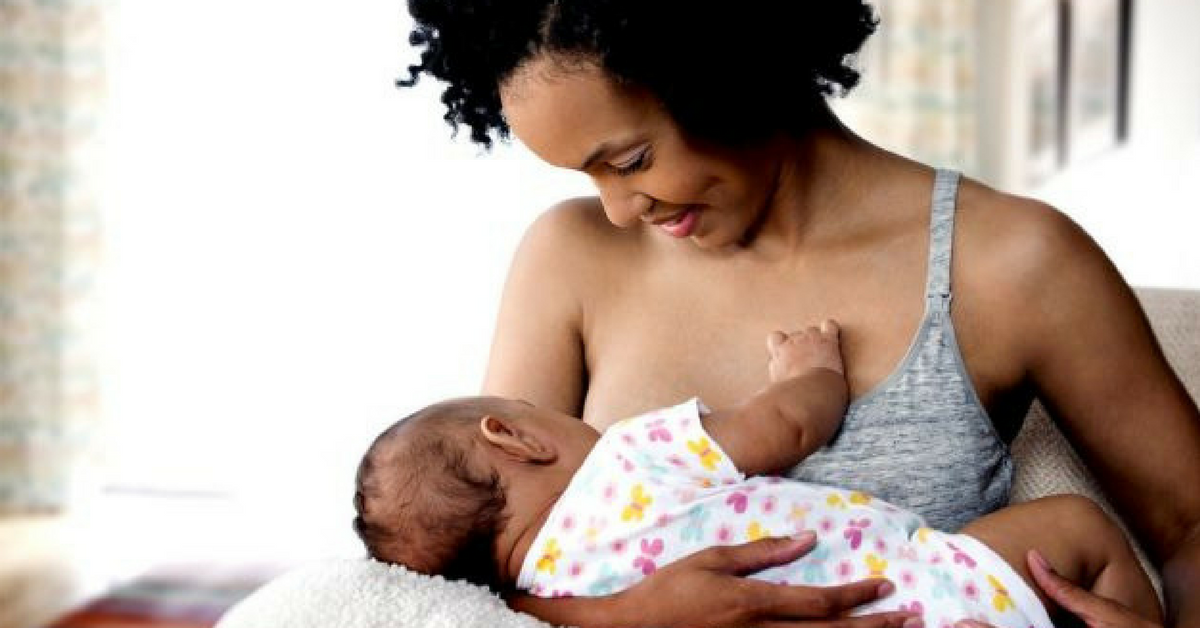
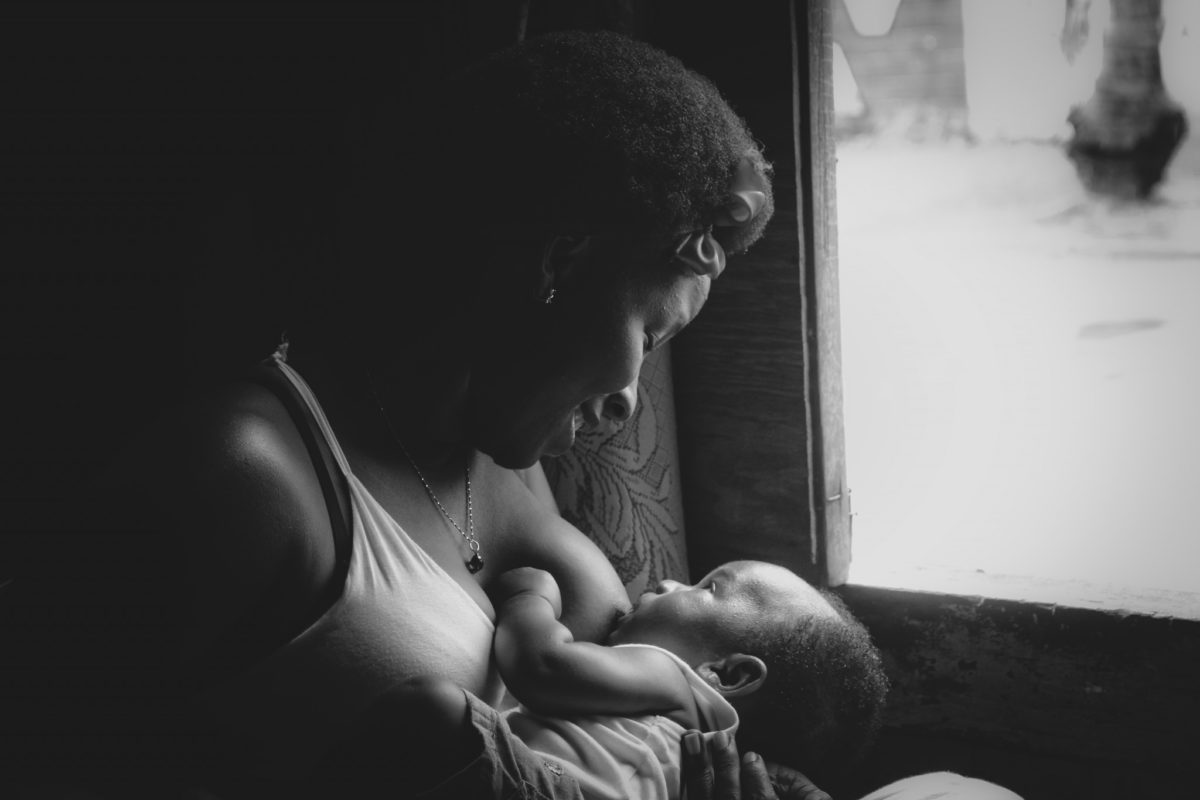
May is Miracle Milk Month, and we are standing alongside Best for Babes, KellyMom, ROSE, La Leche League USA, United States Breastfeeding Committee, and many other amazing partners to surround new parents with supportive messages and information about infant feeding.

Human milk saves lives in the NICU and every day. Yet, millions of parents are still being undermined by the Breastfeeding Booby Traps®: prevented from achieving their breastfeeding goals, from accessing donor milk if needed, from obtaining non-industry sponsored, evidence-based information on alternative feeding methods, and from getting the non-judgmental acceptance and support they deserve from health professionals, family, friends, and society.

It is imperative that parents get the support and information they need to do what’s best for their babies. We’ve heard from many parents in our community about just how vital and miraculous this support can be.

“My first was born at 32 weeks because we had preeclampsia. I was heartbroken; I felt like my body had failed us. During her NICU stay, I felt so helpless, so angry, and so frustrated that I couldn’t give her what she needed to grow strong and healthy to term. Everything had gone wrong. But just a couple hours after she was born a lactation consultant came to see us to show me how to pump. She was so encouraging and was so impressed with the amount of colostrum I had expressed! Something had gone right, and that something was producing milk. She received just the smallest bit of donor milk, and from then on had my breastmilk for the duration of her hospital stay. Once we got home we worked so hard with a lactation consultant to get her to latch directly to breast. It took so much time, and energy, and tears, and support. It was on her due date that she finally did it! It was such a blessing to be able to nurse her directly. She grew and thrived and is now a 2-year old and the best big sister. I am so proud of her, and so thankful that breastfeeding helped me trust my body again.” – Lauren D

Help us to better support more parents, like Lauren , by joining the Miracle Milk Month Campaign. Together, we can end the Breastfeeding Booby Traps ® by delivering essential, positive, encouraging, evidence-based information into the hands of as many new parents, providers, hospitals and the public as possible!

Raise your voice and celebrate with us for the love of moms and babies!
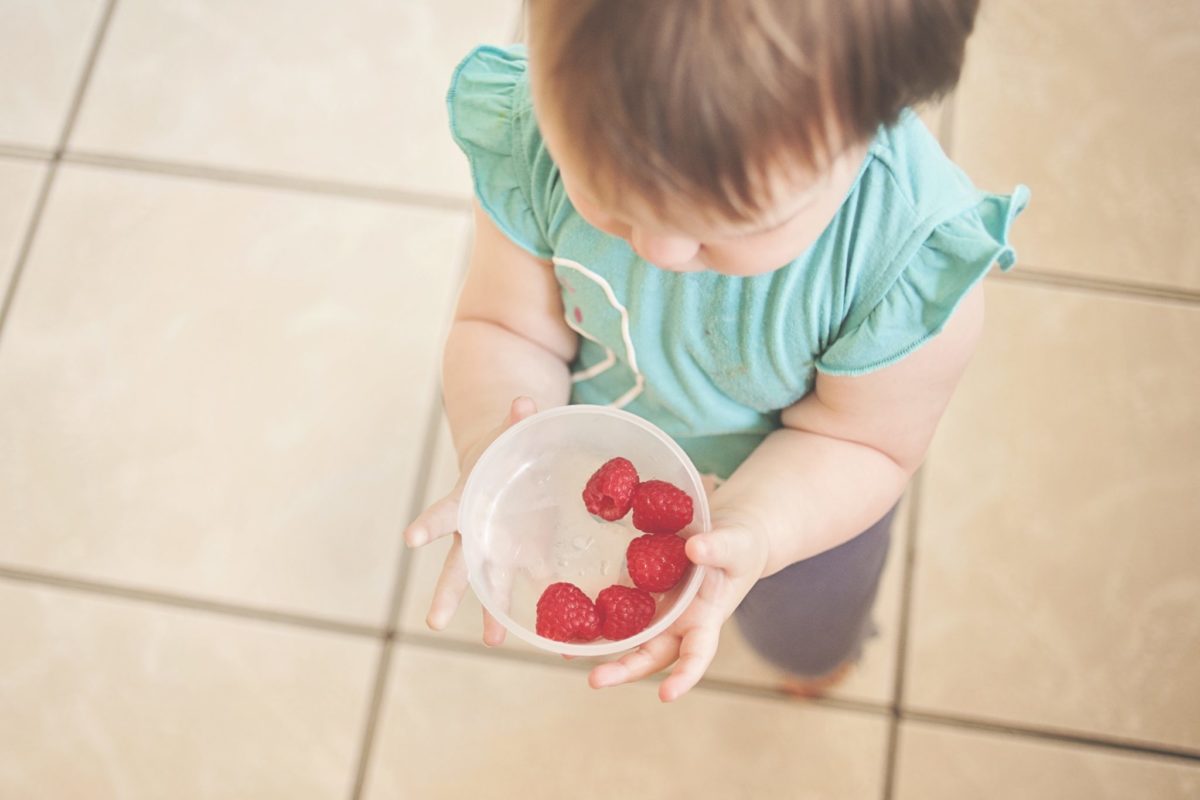
Please share this with your friends and family and help us continue to raise our voices for moms and babies everywhere!

Draft House Farm Bill Will Harm Families and Children

Today the House Agriculture Committee will meet to consider H.R.2, the Agriculture and Nutrition Act of 2018—otherwise known as the Farm Bill. What members of Congress should consider is the impact this bill will have on America’s young children and their families.

The draft farm bill proposes dramatic structural changes to the Supplemental Nutrition Assistance Program (SNAP) that will increase food insecurity among low-income families. By proposing major changes in eligibility and mandating that states impose redundant and burdensome administrative requirements for SNAP participation, millions of working families will suffer from a loss or reduction of benefits. Simply put, these changes will mean more children in America will go hungry.

1,000 Days strongly opposes these policy changes that make it more difficult for children and their families to get the food they need to thrive. Access to nutritious food during pregnancy and in the earliest years of a child’s life has lifelong impacts on their health and development. For very young children, whose brains and bodies depend on good nutrition, food plays an especially important role in helping children grow, learn and reach their full potential. SNAP is proven to improve the health and economic security of children, their families and their communities. Instead of making it more difficult for families to thrive, Congress should be working to make it easier for all Americans to access and afford healthy foods.

Society is Failing Black Moms and We Must Do Better

Women’s health before, during, and after pregnancy matters. And it matters for ALL women.

Yet deep disparities persist in the United States when it comes to maternal health. Black mothers in the U.S. are at least 3 to 4 times more likely to die than white mothers, with some areas of the country experiencing even bigger disparities. When comparing women with the same health conditions, the statistics are equally as shocking – Black women are two to three times more likely to die than white women.

As Black Maternal Health Week kicks off today, we must push to find the answers and solutions to address these unnecessary disparities.

In the U.S., women die of pregnancy-related causes – or have long-term health complications – for a variety of reasons, but a key underlying factor is lack of access to high-quality, comprehensive health care. Pregnant women and new moms have specific health needs that require the guidance of a health care provider; yet not all women have equal access to providers, hospitals, and pre- and post-natal care. Women of color in particular face increased barriers to receiving the care they need.

Racism and implicit bias play a significant role in the health outcomes of pregnant women of color and their families. It impacts their interactions with health care providers, institutions, and systems, affecting the quality of care they receive. 1,000 Days is exploring the causes and consequences of these disparities, relying on the expertise of groups like Black Mamas Matter Alliance.

Unpacking the Maternal Health Crisis
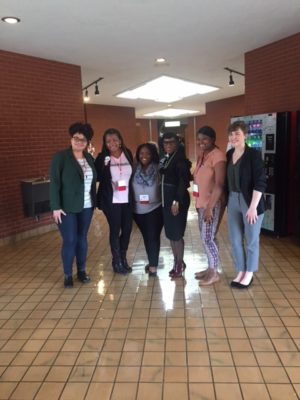
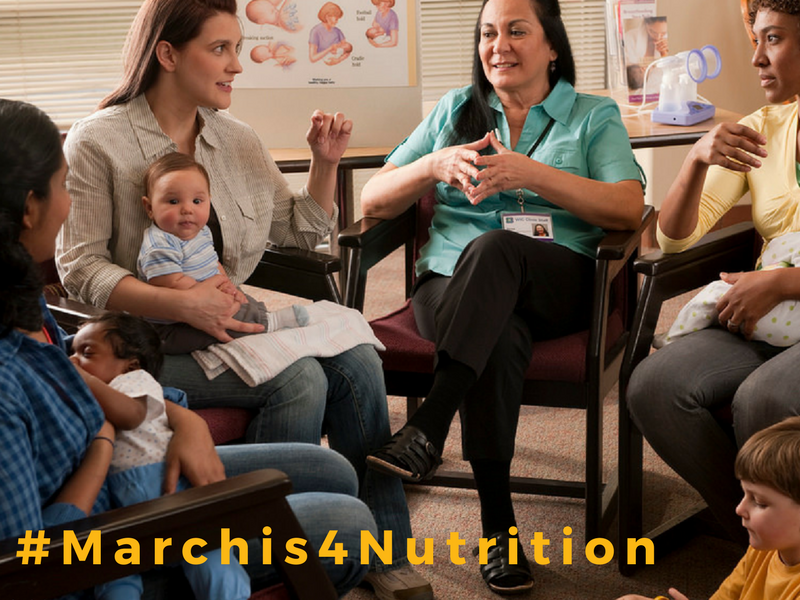
1,000 Days recently convened a panel of experts for a discussion about disparities in maternal health in the United States at Take Root: Red State Perspective on Reproductive Justice, an annual conference in Norman, Oklahoma. The panelists included leaders in the field of maternal health, including:

  • Dr. Joia Crear-Perry, founder and president of the National Birth Equity Collaborative
  • Elizabeth Dawes Gay, steering committee member of Black Mamas Matter Alliance
  • Takeallah Rivera, full spectrum doula and reproductive justice advocate
  • Kimberly Seals Allers, award-winning journalist and a leading commentator on motherhood and breastfeeding issues

The conversation focused how structural racism, lack of access to quality care, and poor nutrition impact health outcomes for pregnant women of color and their families. We also discussed what can be done to reverse these troubling trends, such as ensuring increased access to comprehensive health care and supporting initiatives that promote medical education and training for Black midwives, doulas, ob-gyns, and maternal fetal medicine specialists.

Finding the Way Forward

We cannot accept disparities in maternal health. This is entirely preventable, and as a first step, we must listen to Black moms directly and invest time and resources in Black-led initiatives and programs that amplify the diverse voices of women and children.

Black Maternal Health Week is a great place to start. Today Black Maternal Health Week kicks off to increase attention on the issues facing Black women and mothers, and to amplify the voices of black moms themselves. You can join the conversation online through the hashtag #BMHW18.

Additional Resources

For more information about Black Maternal Health Week check out the resources from the Black Mamas Matter Alliance.

For more information about Black maternal and infant mortality trends and solutions, read Exploring African Americans’ High Maternal and Infant Death Rates by Jamila Taylor and Cristina Novoa at the Center for American Progress.

We asked “What if…” and you answered…

Last month – in honor of National Nutrition Month – 1,000 Days hosted its annual #Marchis4Nutrition campaign to amplify the critical role the world’s mothers play in nourishing the next generation. All month long, we envisioned a world in which moms have the support they need to give their children a healthy start to life. And throughout the month, our partners and our community answered the simple question – “What if…”

Here are just a few examples of what we heard:

What if moms had the support they need to reach their breastfeeding goals?
A world in which women receive support to breastfeed is a world with less illness and disease.

  • “They wouldn’t have to feed their children in bathroom stalls.”
    – 1,000 Days Facebook Community Member
  • “All of the wonderful benefits of breastfeeding could be achieved by the majority of moms, and the lifelong benefits to them and their children could be realized, reducing risk of chronic diseases.”
    – Lori Bechard, RDN
  • “They wouldn’t worry about keeping their jobs to feed their babies if they’re pumping.”
    – 1,000 Days Facebook Community Member
  • “I thought that formula was better than my own breast milk because I had very limited knowledge about the benefits of breastfeeding – and also because of marketing by the formula companies.”
    – Ms. La Min. Read more of her story about conquering breastfeeding myths in Myanmar.

What if moms had access to quality and comprehensive health care?
A world in which moms have access to quality and comprehensive healthcare is one where every child and mother survives and thrives.

  • “They wouldn’t be dying from childbirth.”
    – 1,000 Days Facebook Community Member
  • “During my pregnancy I attended the health center to receive prenatal care where I was provided with iron and folic acid which I consumed with full knowledge of its importance.”
    – Vitalina de Leon Santos. Read about her work bringing healthcare to her community.
  • “Fewer sick days for untreated conditions. More productivity. Fewer women in poverty because they’re able to get healthy so they are able to work.”
    – 1,000 Days Facebook Community Member

What if moms had access to affordable, safe and nutritious foods?
A world in which moms have access to affordable, safe and nutritious foods would result in healthier moms, healthier babies and better birth outcomes.

  • “The world would have a stronger, healthier and more innovative population.”
    – 1,000 Days Facebook Community Member
  • “Parents should be focused on getting the most nutritious food for their child. They should not have to worry about contaminants such as lead, inorganic arsenic, perchlorate and phthalates in their children’s food.”
    – Tom Neltner, Chemicals Policy Director for Environmental Defense Fund
  • “I feel very satisfied with the work I do, because thanks to the information and training I receive, I have been able to support other people, especially pregnant women, to eat properly.”
    – Leonor García Quino. Read about how she uses her community garden and midwife skills to help women in her town.

What if moms had the support of programs and policies to ensure their children get a healthy start?
A world in which moms have the support of policies and programs that prioritize the health and nutrition of moms and babies would create positive societal impacts.

  • “Kids would do better in school, at home and in life.”
    – 1,000 Days Facebook Community Member
  • “My cooking style has also changed because I have realized the importance of nutrition to children from the training.”
    – Aye Zar Zar Soe. Learn more about this mother in Myanmar’s journey discovering how to nourish herself and her children.
  • “At WIC, moms get pre-natal health care referrals and the breastfeeding support they need; babies and young children get pediatric and immunization referrals; parents and grandparents are empowered with nutrition tools and resources to make the healthy choices for their children.”
    – Douglas A. Greenaway, President & CEO, National WIC Association

What’s clear is that ALL moms need support to nourish themselves and their families in the first 1,000 days, because a world in which moms get the support they need is a world in which children and their families thrive and nations prosper. This is the world we are striving to help create. Thank YOU for joining us to make this a reality.

Guest Post: Perspectives on Breastfeeding from a Clinical Pediatric Dietitian

In honor of National Nutrition Month, 1,000 Days is hosting its annual #Marchis4Nutrition campaign to amplify the critical role the world’s mothers play in nourishing the next generation. All month long, we have been imagining a world in which moms have the support they need to give their children a healthy start to life, highlighting the voices of moms and advocates across the country and around the world. The following guest post was written by Marti Toner, MS, RS, LD.

“Breastfeeding shouldn’t be complicated; women have been doing it since the beginning of time.”

“The pediatrician said that my baby isn’t gaining enough weight, so we are supplementing with formula.”

“My newborn is just a really good sleeper, I’m not going to wake her to nurse.”

“My diet isn’t perfect, so I’m giving my baby formula.”

“I went back to work and do not have time to pump to maintain my supply.”

Working as a clinical pediatric dietitian, I encounter variations of these sentiments on a recurring basis, often when a baby has been admitted due to “failure to thrive”, or poor growth. These comments come not just from mothers – I hear them from fathers, grandmothers, family friends, and even fellow clinicians.

Breastfeeding is hard. It requires work and commitment. Yet, few women in this country have access to supportive services to provide the tools to meet their breastfeeding goals. It has been widely promoted that breastfeeding is the ideal form of nutrition for infants for at least the first 6 months of life – but what if your little one struggles to latch?  What if your milk supply doesn’t come in fully until your newborn is 5 or 6 or 7 days old? Or conversely, what if you develop oversupply?

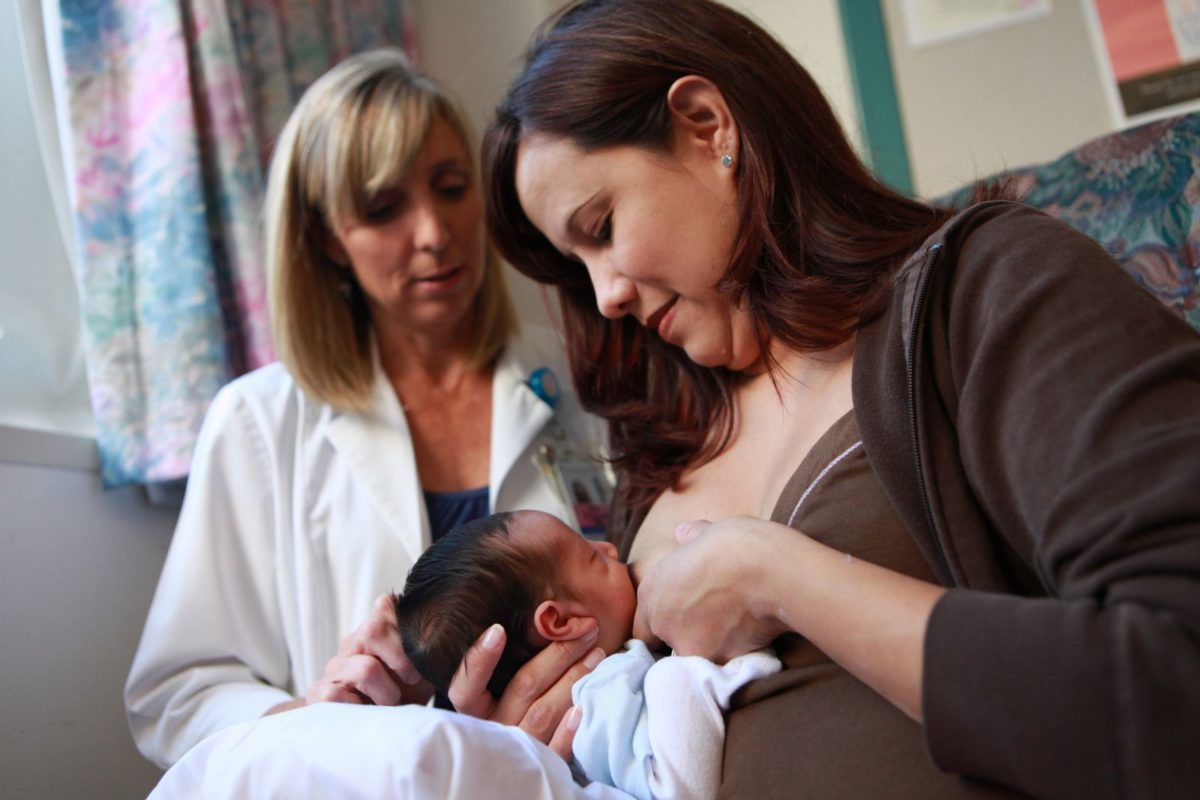
In each of these scenarios properly trained lactation consultants are able to guide new moms through their struggles. However, once most women leave the hospital or birthing center, they lack access to such expertise (or do not know where to find it). Instead, women across the socioeconomic spectrum are left to navigate these hurdles on their own (and all on very little sleep!). Far too often, women who desire to breastfeed give up due to these obstacles.

I was almost one of those women myself: when my daughter was born two years ago, she initially latched beautifully. But because my milk supply did not come in immediately (it took a full week, in fact), she quickly grew frustrated when she was unable to obtain the nourishment she was seeking. I discharged from the hospital 48 hours post-partum and the situation grew worse at home. Despite my background in nutrition, I struggled to comprehend just what was happening or how to remedy the situation.

The difference in my case, however, is that I have a close friend and colleague who is an International Board Certified Lactation Consultant (IBCLC). She came to my house and worked with us to create a plan for feeding that would encourage my milk supply and teach my daughter how to effectively latch. While it was not an instantaneous victory, within a few weeks (and with a great deal of patience), my daughter was nursing well. Ultimately, she successfully breastfed for 14 months.

So what is the answer? If only it were that simple! Culturally, our country has a long way to go to offer the best environment for all mothers to meet their breastfeeding goals. But, implementing these 3 steps would be a reasonable start:

  1. First, education, education, education. Providing lactation support both prenatally and postnatally – via community programs, in OBGYN and pediatrician offices, and through widely disseminated web-based campaigns – to detail the benefits and portray an accurate depiction of breastfeeding.
  2. Second, all new mothers should have access to skilled clinical lactation care at little or no cost and within a reasonable distance to their home.
  3. Lastly (and this is a big one!), mothers should have the reassurance of job security while on a paid maternity leave. This guarantee would afford them the opportunity to establish and maintain a mutually beneficial breastfeeding relationship with their child.

If we as a nation truly want what is best for our children, we must start by supporting our mothers. We must provide clinical and intellectual resources to allow them to make educated decisions about the best way to nourish their children – and further, how to navigate any challenges that may arise.

Motherhood may often feel like an impossible responsibility – but feeding your child shouldn’t be.

1,000 Days Welcomes 2018 Spending Bill

Last week, Congress passed and the President signed the Consolidated Appropriations Act of 2018, funding the federal government through the end of Fiscal Year 2018. After nearly six months of short-term spending measures, this deal provides funding certainty for many of the critical support programs for moms, babies and their families here in the United States and in developing countries around the world.

Specifically, we were encouraged to see continued funding for the Centers for Disease Control and Prevention’s (CDC) Hospitals Promoting Breastfeeding program, Special Supplemental Nutrition Program for Women, Infants, and Children (WIC), and the Maternal and Child Health Block Grant. Additionally, the legislation provides a nearly 4% increase in topline funding for the international affairs budget, which includes vital development programs, while providing continued funding for much-needed global nutrition interventions targeting the first 1,000 days. These programs help ensure that moms, children and their families can get the support they need to grow and thrive.

As Congress turns their attention toward the Fiscal Year 2019 appropriations process, 1,000 Days will continue to fight for increased investments in the evidence-based programs that best serve the nutrition and health care needs of all moms and babies.

We should #Bethegeneration

The 62nd session on the Commission of the Status of Women (CSW) captured the attention of world leaders, advocates and influencers to discuss progress towards gender equality, especially “challenges and opportunities in achieving gender equality and the empowerment of rural women and girls.”

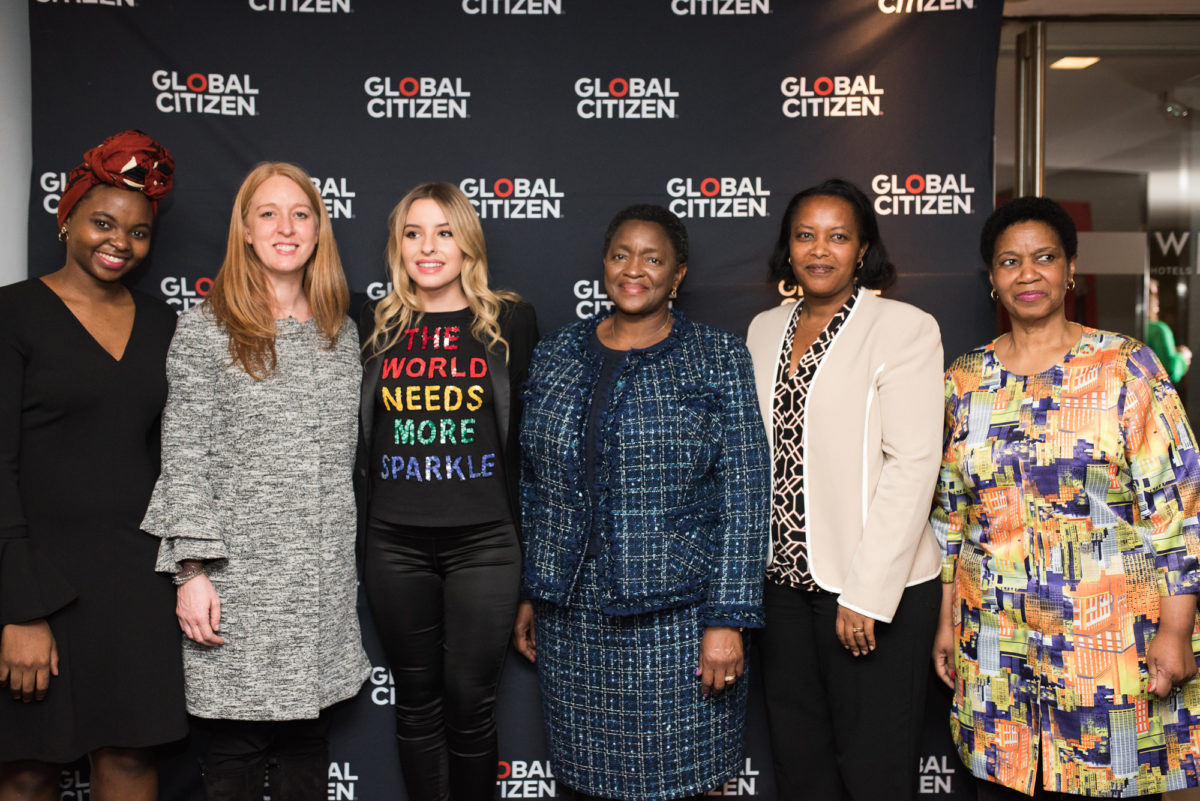
This year at CSW, Global Citizen used the opportunity to kick off its “Be the Generation” campaign at a side event calling for gender equality where I was asked to speak. This will be a year-long campaign inspired by the legacy of great leaders like Nelson Mandela, to challenge global citizens to raise their voices together.
As an advocate for improved nutrition, the campaign really speaks to me, because advocating for nutrition must be more than just a hashtag or a report launch. It is a challenge and a call to action that we will be the generation to see the end of all forms of malnutrition.

This is what compels me to share my story and that of others on a global stage – to make sure that this call to action is heard by decision makers around the world. CSW allowed for me to share these stories.

My own personal struggle with ill health and the difficulty to access specialized health care made what would have been a six-month issue into a three-year-fight.

During this struggle, if you had asked me what future I envisioned for myself, I would have told you my goal was to get out of that hospital so that I could go back to school and eventually get a job. I had exams to write, ambitions to fulfill and a career to pursue.

In 2016 I met a woman named Saliwe, an experience that really put that question into perspective for me. We met while I was on a trip to the Mumbwa district in Zambia to document a World Food Program project improving nutrition. 20-year old Saliwe and her three children relied on this program, particularly the communal garden, to get the food and nutrition they needed.

When Saliwe was asked this question about her future, her response was: “I just want to get through the day.”

Daring to dream is not an option for so many girls. The day-to-day struggle to just survive takes precedence. Women and girls in many parts of the world live in a system that is not designed to help them thrive – or dream. Unfortunately, Saliwe’s story is not unique:

  • More than one billion women and girls do not have access to the adequate nutrition and healthy diets they need to survive and thrive.
  • Adolescents have been largely neglected from the conversation, often missed by health services and faced with unique challenges, particularly in the most rural parts.

Sharing Saliwe’s story is critical to enacting change. Sharing stories of the women and girls most at risk of suffering from malnutrition reminds us to continue to hold our leaders and ourselves accountable.

Only by prioritizing critical actions to address the women and girls who are currently left behind can we accelerate progress towards the SDGs, build political leadership and mobilize new and additional resources that will result in improved policies and necessary progress.

We have set nutrition targets that we all need to work towards. Through SDG2 we have committed to end all forms of malnutrition.

We can be the generation that successfully ends all forms of malnutrition – and investing in women and girls’ nutrition is crucial. But we must start by making sure their stories are heard.

Mwandwe Chileshe is a Global Program Associate at 1,000 Days, a Global Health Corps fellow and Global Citizen Youth Advocate. In her role at 1,000 Days, Mwandwe supports the organization’s efforts to mobilize greater resources for global nutrition by supporting the management of ICAN and participating in international coalitions. She previously led the Zambia Civil Society Scaling up Nutrition Alliance, a network that works to improve the status of nutrition in Zambia.

#Marchis4Nutrition: What if moms had the support they need to ensure their children get a healthy start?

In honor of National Nutrition Month, 1,000 Days is hosting its annual #Marchis4Nutrition campaign to amplify the critical role the world’s mothers play in nourishing the next generation. All month long, we have been imagining a world in which moms have the support they need to give their children a healthy start to life. In this final week of March we’re asking:

What if moms had the support of programs and policies to ensure their children get a healthy start?

Policies and programs that prioritize the health and nutrition of moms and babies can make a huge difference. These societal investments can positively impact the nutritional health of women, infants and toddlers by improving access to healthy foods, increasing a family’s economic security, and improving access to health services.

Estimates show that almost half of the world’s 900 million extremely poor are children. Supportive policies and programs also play an important role in reducing poverty and ensuring that children have the opportunity to thrive.

So, what will it take for moms and their families to have the support they need?

In the United States, for example, the Special Supplemental Nutrition Program for Women, Infants and Children (WIC) is an essential social safety net program supporting nearly 8 million women, infants and children every month. WIC is a proven effective program that improves birth outcomes, access to healthy food and a child’s development. WIC provides pregnant women, new mothers and their young children support to access whole grains, vegetables and other healthy foods. This, along with nutrition counseling, healthcare referral services and breastfeeding support, helps moms give their kids a healthy start.

 “WIC’s ‘Mom Strong’ centers assure moms healthier babies, toddlers, and young children. At WIC, moms get pre-natal health care referrals and the breastfeeding support they need; babies and young children get pediatric and immunization referrals; parents and grandparents are empowered with nutrition tools and resources to make the healthy choices for their children. With WIC, the whole nation benefits from healthier, happier more productive families.”
-Rev. Douglas A. Greenaway, President & CEO, National WIC Association

Around the world (including in the U.S.) additional social supports are needed to improve the health of moms and their families. Cash transfer programs, for instance, are an important means of improving economic security and access to maternal and child health care for pregnant women and new mothers, particularly for women living in poverty. These programs provide eligible families, often the most impoverished or vulnerable, with income support. Research shows that families with access to programs like cash transfers consume a more diverse and higher quality diet since nutritious food is made more affordable by the transfer.

Paid family leave is another critical policy needed for women and families around the world. Job-protected paid leaves enables women to have the time they need to care for themselves and their newborns following the birth of a child.  There is strong evidence that shows that parental leave can help reduce infant death and illness, increase the likelihood that babies get their pediatric check-ups and immunizations, and lower mothers’ risk of health complications after childbirth. Studies also show that paid leave helps women breastfeed more successfully and for longer periods of time, enabling both mom and baby to reap the powerful long-term health benefits of breastfeeding. In the U.S. alone, if breastfeeding rates improved, over $3.6 billion would be saved in treatment costs for childhood illnesses. Unfortunately, the U.S. remains the only industrialized country in the world without a national paid maternity leave policy.

“If moms had access to social supports, their breastfeeding journeys could continue for longer providing further benefits to them and their children.”
Helen Keller International ARCH Nutrition

ALL moms need support – from accessing nutritious foods to paid family leave – to ensure their children get a healthy start in life. Join the #Marchis4Nutrition conversation on Facebook and Twitter this month and tell us what you think: What does the world look like if moms had the support they needed from programs and policies to ensure their children get a healthy start?

Guest Post: Conquering Nutrition Myths in Myanmar – Supportive Programs #Marchis4Nutrition

In honor of National Nutrition Month in March, 1,000 Days is amplifying the critical role the world’s mothers play in nourishing the next generation through our annual online #Marchis4Nutrition campaign. Throughout the month, we will also be highlighting stories from our partners. Follow along and get involved on Twitter and Facebook with the hashtag #Marchis4Nutrition.

Save the Children believes every child deserves a future. They work in 120 countries around the world to give children a healthy start in life, the opportunity to learn and protection from harm. Save the Children does whatever it takes for children – every day and in times of crisis – transforming their lives and the future we share.

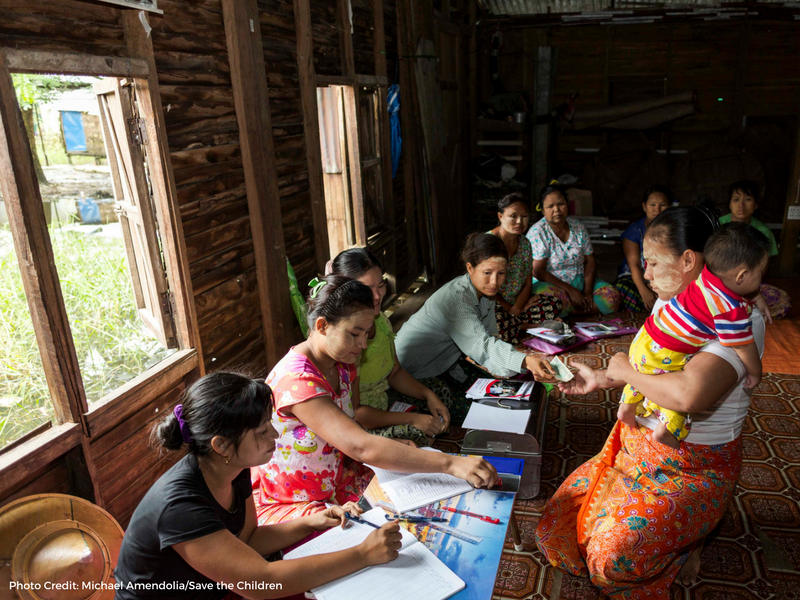
Save the Children works in many communities with mothers such as Aye Zar Zar Soe to provide robust health and nutrition programs that save children’s lives and ensure they grow up healthy.

This is Aye Zar Zar Soe’s story from Myanmar.

My husband and I live with our six children in Shwe Pyi Thar, a township on the north west of Yangon. He is a highway truck conductor and I was a flower vendor before I delivered my youngest child. To make ends meet, my elder children sell flowers such as jasmine, yellow-ginger lily and waxy flower at the local market.

I joined the nutrition knowledge training conducted by Save the Children during my third month of pregnancy. For my elder children, I had no idea about nutrition and followed the suggestions from my relatives. They told me to avoid some specific foods and that I must only eat soup and fried fish. They also said that my baby will have flatulence and diarrhea if I eat vegetables and chilies. I also fed rice to my children before they were 6 months old. My elder children were suffering a lot from malnutrition and were very thin and sick often. At this last child pregnancy, I ate a variety of food. My baby is very healthy and he never needs to goes to the clinic. My cooking style has also changed because I have realized the importance of nutrition to children from the training.

Five years ago, we began to have financial difficulties and gained a debt of 20 lakhs (approx. $1,500 USD). During this time, I couldn’t take care my children and feed them enough breast milk because I spent so much of my time trying to make money outside. Sometimes, we had only one meal for a day.

Thanks to Save the Children, I now get a cash support payment, along with financial literacy and nutrition knowledge training to help me care for my family.

The financial management training conducted by Save the Children changed my life. In the past, I spent as much money I had on unnecessary things. I couldn’t prepare breakfast for my children and instead I gave them money for them to purchase breakfast themselves. After the training, I got the knowledge of how to spend money and differentiate between needs and wants. Now, I prepare breakfast for children and I can save more money.
With financial and technical support from Save the Children, I can make money from my home. They helped me buy two pigs – and once they grow, I will sell them and buy 3 piglets. This is the way of making money from pig raising. It is easy for me because I am not able to make money outside with my toddler.

Guest Post: Promoting Healthy Food to Pregnant Women in Guatemala – Access to Nutritious Foods #Marchis4Nutrition

In honor of National Nutrition Month in March, 1,000 Days is amplifying the critical role the world’s mothers play in nourishing the next generation through our annual online #Marchis4Nutrition campaign. Throughout the month, we will also be highlighting stories from our partners. Follow along and get involved on Twitter and Facebook with the hashtag #Marchis4Nutrition.

The National Alliance of Indigenous Women for Reproductive Health (ALIANMISAR) consists of more than 90 organizations and actively participates in citizen monitoring, advocacy, and policy dialogue to promote better, more culturally-appropriate health services that are accessible to the indigenous populations, especially those living in rural areas and in poverty.

Leonor García Quino is a member of ALIANMISAR in Guatemala. This is her story.

My name is Leonor García Quino, I am an indigenous woman, Kiche’ is my mother tongue, I was born in the Municipality of Zacualpa, located at 43 kilometers from the municipal capital Quiché and 206 kilometers from the capital city. At the age of 12, I began to suffer from different diseases. An elderly person of my community told me that I had a “gift” which I should exercise, otherwise, I would never be cured. This is how at this age I began to work as a midwife. I am now forty-nine and have been attending deliveries and providing accompaniment to women in their pregnancy process for 37 years.

Feeding is undoubtedly, a fundamental aspect during pregnancy, as the mother must eat for two. I reaffirmed this, in the trainings received as a member of the National Alliance of Indigenous Women for Health, Nutrition and Education (ALIANMISAR), with the support of USAID/Health and Education Policy Plus (HEP+) project.

I heard once, one of my patients saying that she had not enough resources to feed properly, so I told her about many herbs cultivated in our community, which are very nutritious. For example, the nightshade, which contains a lot of iron and helps prevent anemia; I also mentioned other herbs like, ixbut, bledo, watercress and broccoli, besides other fruits and vegetables, some of which are also produced in our community.

From that experience, I decided to promote the importance of consuming nutritious food among women. I pointed out that they do not need a lot of money, because some of this food is produced in the community and is affordable in terms of price. I also mention that this food is more nutritious and I do not recommend buying soups or sodas in the store.

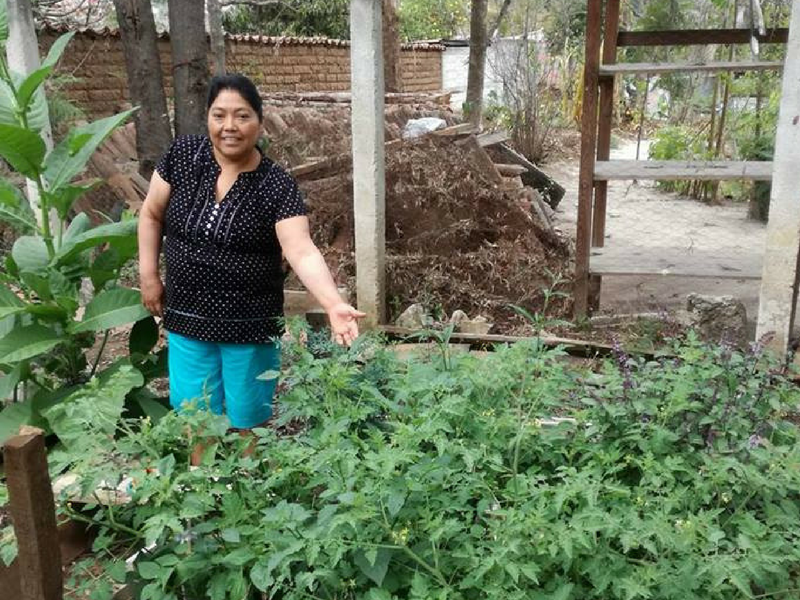
Recently at home, with the support of my husband, I planted a garden where I have different plants and nutritious herbs. When my patients come to see me, I take the opportunity to talk them about the importance and benefit of consuming nutritious food and I show them my garden. There are also many local students who visit my garden to learn more about the benefit of the herbs and plants that grow in it.

I feel very satisfied with the work I do, because thanks to the information and training I receive in the different activities that I attend, I have been able to support other people, especially pregnant women, to eat properly.