Topic: Nutrition

What foods should my baby avoid?
Before your baby turns 1, there are some foods you should avoid giving him or her. Some foods should be avoided because they could cause sickness or safety concerns, while other foods should be avoided because they are unhealthy.

Foods to avoid include:

  • Cow’s milk: Drinking cow’s milk before age 1 may put your baby at risk for intestinal bleeding. Instead of cow’s milk use breast milk or infant formula before age 1.
  • Alternative milks: Alternative milks like soy milk, almond milk, rice milk, oat milk, etc. should not substitute breast milk or formula in the first year.
  • Honey: Honey (even as an ingredient) may cause a serious health problem called botulism. Your child can start to try honey and foods that contain honey only after he or she is 1-year-old.
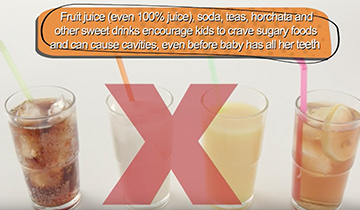
  • Sugary drinks: Sugary drinks like fruit juice (even 100% juice), soda, tea/coffee or horchata encourage babies to crave sugary foods and can cause cavities, even before your baby has all of his or her teeth.
  • Salty foods: Foods that are high in salt, also known as sodium, should be avoided because babies’ kidneys can’t handle too much salt. Check food labels to find foods low in sodium.
  • Choking hazards: Small, hard foods pose high risks of choking. Common foods that are most risky include nuts, popcorn, hot dogs and whole grapes. As a tip, you can cut grapes into small pieces and then serve them to your baby. And just remember, anything can be a choking hazard so be sure to watch your baby carefully as he or she eats.

By knowing the foods to avoid, you can keep your baby healthy and safe!

And remember, talk to your child’s pediatrician or health care provider about any questions or concerns.

To learn more, check out these additional resources related to this topic:

Frequently Asked Questions

What should your baby eat in the first year?

When your baby is 6-12 months old, it is important to start getting him or her onboard with a variety of healthy foods, including:

  • Different food groups. Introduce your baby to a variety of foods including fruits, vegetables, grains, dairy and proteins.
  • Different colors. Encourage your baby to eat bright colored foods like green broccoli, orange sweet potato, yellow banana, red strawberries, black beans, and more!
  • Different textures. Between ages 6-12 months your baby will be ready to try different food textures including smooth, chunky and soft finger foods.

But remember, your baby is still learning how to chew and swallow so be sure to watch your baby closely when he or she eats because anything could be a chocking hazard, especially foods that are small and/or hard. As a tip, you can soften foods by cooking them or pureeing them into a smoother texture.

By introducing a variety of nutritious foods now you are teaching your baby healthy eating habits that can last a lifetime. So have fun with it. You’ve got this!

And remember, talk to your child’s pediatrician or health care provider about any questions or concerns.

To learn more, check out these additional resources related to this topic:

Frequently Asked Questions

Is your baby ready to start eating foods?

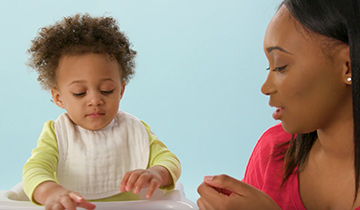
How do you know if your baby is ready for foods other than breast milk or infant formula? Every baby is different – but you can look for these signs to tell that your baby is developmentally ready to start trying foods:

  • Your baby has good head control. Your baby can keep his or her head in a steady, upright position.
  • Your baby can sit up with little or no support. Your baby needs to be able to sit upright in a highchair to swallow well.
  • Your baby is able to grab objects. Your baby uses his or her hands to grab and hold onto objects, like a spoon.
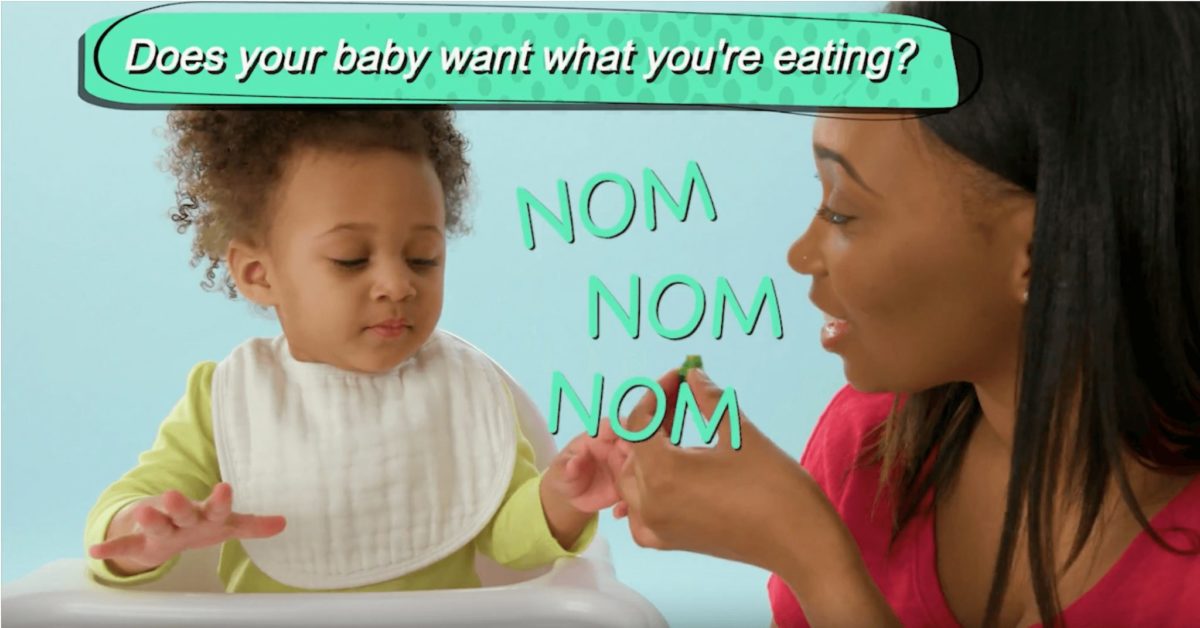
  • Your baby shows interest in what others are eating. Your baby opens his or her mouth and leans forward when food is offered.
  • Your baby is about 6 months old. At around 6 months of age your baby’s gut has developed to digest foods other than breast milk or formula.

If your baby can do ALL of these things then he or she is ready to try first foods.

Breast milk and/or formula will remain a key source of nutrition for your baby throughout his or her first year. But by introducing a variety of nutritious foods beginning around 6 months you can teach your baby healthy eating habits that can last a lifetime. So have fun with it. You’ve got this!

And remember, talk to your child’s pediatrician or health care provider about any questions or concerns.

To learn more, check out these additional resources related to this topic:

Frequently Asked Questions

Global Breastfeeding Collective: Global Breastfeeding Scorecard, 2018

The Global Breastfeeding Scorecard documents key indicators on the policies and programmes that impact breastfeeding rates and provides information on current rates of breastfeeding around the world. It is intended to encourage progress, increases accountability, and document change for all countries as they take the necessary steps to protect, promote, and support breastfeeding.

Global Breastfeeding Collective: Breastfeeding Advocacy Toolkit – Increasing Funding for Breastfeeding Policy Brief

Led by UNICEF and WHO, the Global Breastfeeding Collective (the Collective) is a partnership of more than 20 international organizations with the goal of increasing investment and policy change to support breastfeeding worldwide, which requires advocacy at the global, national, and sub-national levels.Developed by the Collective, this document is one of seven briefs that provide guidance and resources to stakeholders on how to advocate for adoption of these policy actions with government ministries, health care workers and managers, employers, donors, and other key decision-makers.

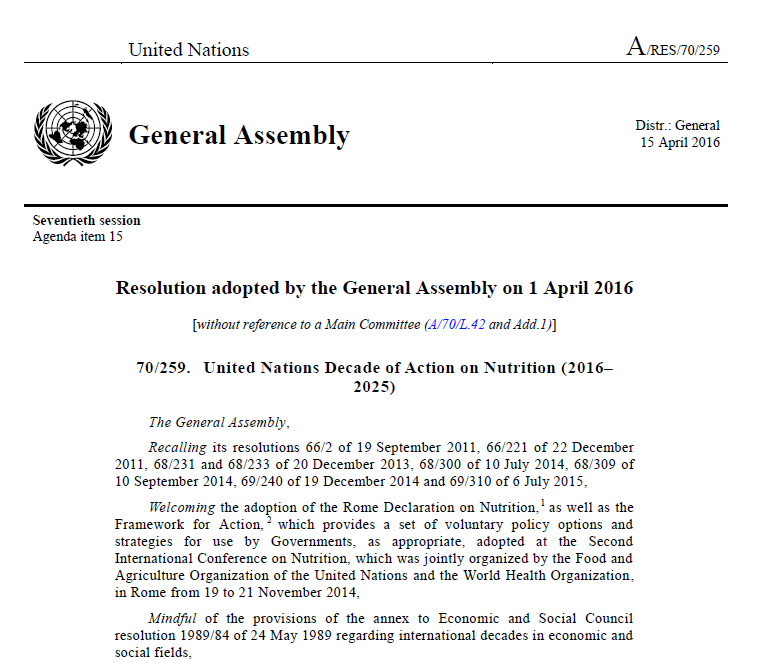
UN Decade of Action on Nutrition

The UN Decade of Action on Nutrition is a commitment of Member States to undertake ten years of sustained and coherent implementation of policies and programmes, following the recommendations and commitments of the ICN2 Framework for Action and the 2030 Agenda for Sustainable Development. The Decade will increase visibility of nutrition action at the highest level and ensure coordination, strengthen multi-sectoral collaboration, create synergies and measure progress towards sustainable food systems and food and nutrition security for all.

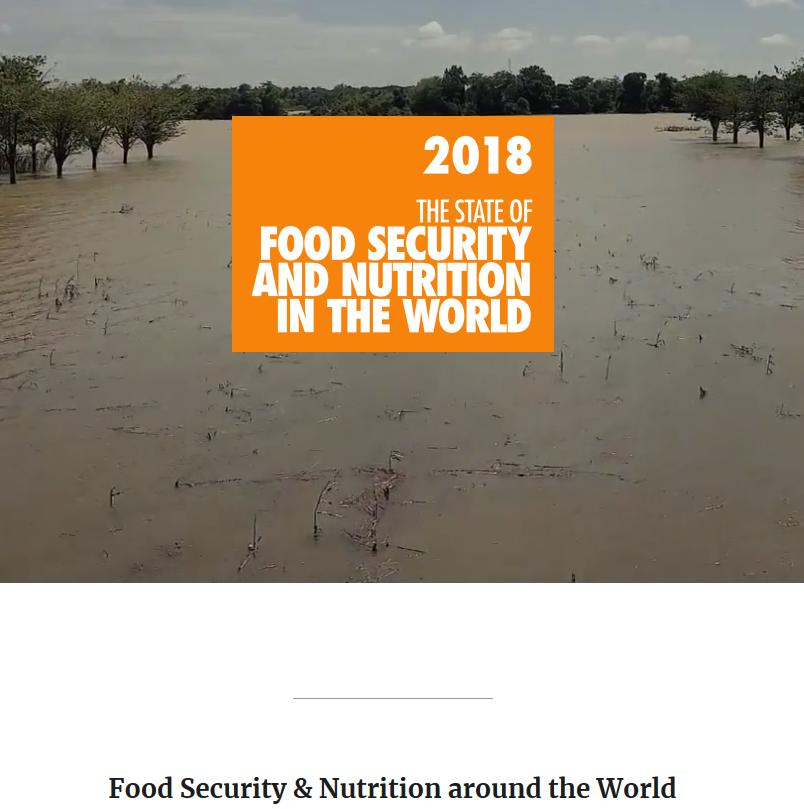
State of Food Insecurity and Nutrition in the World

This report monitors progress towards the targets of ending both hunger (SDG Target 2.1) and all forms of malnutrition (SDG Target 2.2), and provides an analysis of the underlying causes and drivers of observed trends. While the prevalence of undernourishment is at the forefront of monitoring hunger, the prevalence of severe food insecurity – based on the Food Insecurity Experience Scale (FIES) – was introduced last year to provide an estimate of the proportion of the population facing serious constraints on their ability to obtain safe, nutritious and sufficient food. The report also tracks progress on a set of indicators used to monitor World Health Assembly global targets for nutrition and diet-related non-communicable diseases, three of which are also indicators of SDG2 targets.

2018 Global Nutrition Report

The 2018 Global Nutrition Report shares insights into the current state of global nutrition, highlighting the unacceptably high burden of malnutrition in the world.

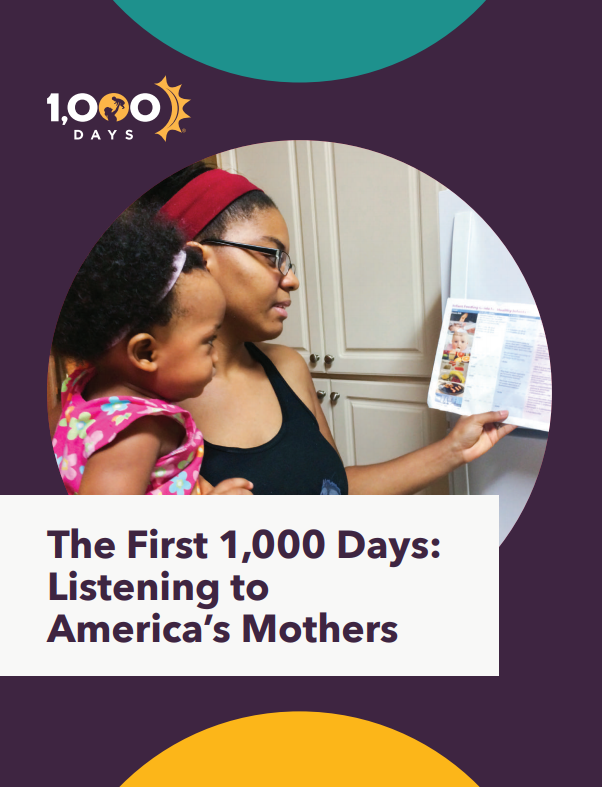
The First 1,000 Days: Listening to America’s Mothers

The First 1,000 Days: Listening to America’s Mothers summarizes the findings from in-depth interviews and ethnographies conducted by 1,000 Days with nearly 60 mothers of young children from across the country. Building upon our first-of-its-kind report on the nutritional health of America’s mothers, babies and toddlers – The First 1,000 Days: Nourishing America’s Future – this new report goes beyond the numbers to lift up the voices and stories of moms themselves.