Category: Uncategorized

We Need Action And Investment For Moms And Babies Everywhere

At 1,000 Days we know investing in a child’s first 1,000 days sets the foundation for all the days that follow – enabling children to grow, learn and thrive, and nations to prosper. Yet last night President Trump said very little about investing in young children and their families during his State of the Union address to a joint session of Congress and the American public.

Today, as Congressional leaders gather to plan their agenda for the year ahead, we urge them and the Administration to prioritize the health and well-being of women, infants and young children in the United States and around the world. This includes ensuring:

  • Women and children have access to comprehensive and quality health care;
  • Young children and their families have access to affordable and nutritious foods;
  • Parents and caregivers have the support they need to give their children the strongest start to life, including through breastfeeding support and paid family leave; and
  • U.S. foreign assistance is invested in proven programs that enable all children and their families to thrive.

At 1,000 Days we remain committed to the belief that all children—regardless of where they are born—deserve the opportunity to reach their full potential. Achieving this vision will require smart investments and joint action; we hope to work with Congress and the Administration to move these priorities forward in the year ahead.

We Need Action And Investment For Moms And Babies Everywhere

At 1,000 Days we know investing in a child’s first 1,000 days sets the foundation for all the days that follow – enabling children to grow, learn and thrive, and nations to prosper. Yet last night President Trump said very little about investing in young children and their families during his State of the Union address to a joint session of Congress and the American public.

Today, as Congressional leaders gather to plan their agenda for the year ahead, we urge them and the Administration to prioritize the health and well-being of women, infants and young children in the United States and around the world. This includes ensuring:

  • Women and children have access to comprehensive and quality health care;
  • Young children and their families have access to affordable and nutritious foods;
  • Parents and caregivers have the support they need to give their children the strongest start to life, including through breastfeeding support and paid family leave; and
  • U.S. foreign assistance is invested in proven programs that enable all children and their families to thrive.

At 1,000 Days we remain committed to the belief that all children—regardless of where they are born—deserve the opportunity to reach their full potential. Achieving this vision will require smart investments and joint action; we hope to work with Congress and the Administration to move these priorities forward in the year ahead.

Congress Comes Through On CHIP, Falls Short On Other Critical Public Health Programs

Yesterday, Congress passed and the President signed a continuing resolution to fund the federal government until February 8, 2018. Included in the legislation is a six-year funding extension for the Children’s Health Insurance Program (CHIP).

1,000 Days supports long-term funding for CHIP. Nearly 9 million children and 370,000 pregnant women depend on CHIP for their health coverage. Since last September, Congressional inaction left millions of families wondering if their children would be able to access the health care they need or if their state would announce an end in coverage. Yesterday those fears were finally put to rest.

However, yesterday’s bill does not include a deal to fund other critical health programs that expired at the end of September 2017, such as Community Health Centers and the Maternal, Infant and Early Childhood Home Visiting (MIECHV) program. And there remains no agreement on a budget for the rest of this fiscal year ending September 30, jeopardizing continued funding for many additional programs that support the health and well-being of women and children.

1,000 Days calls on Congress to finish their work and fund these important programs, putting the needs of young children and their families first.

1,000 Days & Partners Submit Joint Statements to WHO Executive Board

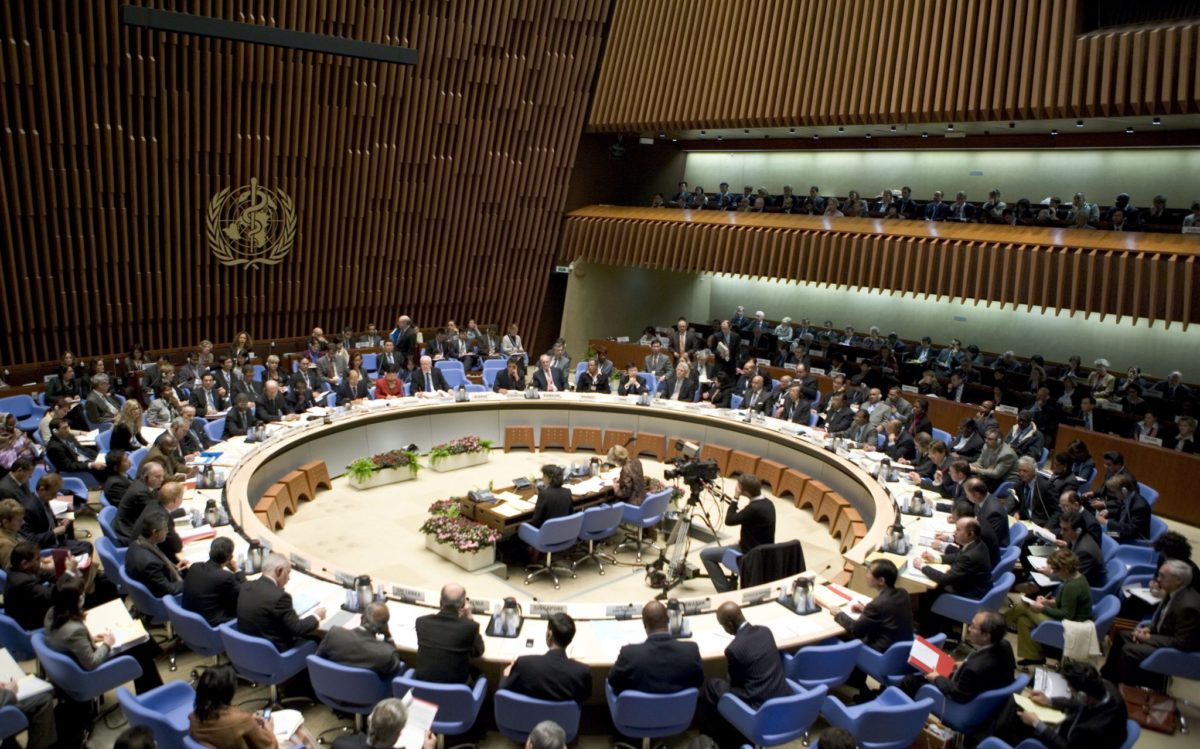
The 142nd session of the World Health Organization’s (WHO) Executive Board takes place this week (22-27 January 2018) in Geneva, Switzerland. The Executive Board provides direction and input on the World Health Organization’s priorities related to a broad range of health concerns.

At this week’s meeting, a biennial report on the Comprehensive Implementation Plan on Maternal, Infant and Young Child Nutrition will be presented by the World Health Organization Director General. This report will touch on progress made toward the global targets to improve maternal infant and young child nutrition, as well as national implementation of the International Code of Marketing of Breast-milk Substitutes and relevant World Health Assembly Resolutions.

Importantly, the biennial report includes new analysis on the extension of the global targets from 2025 to 2030. Based on the current trajectory of the targets, countries will not achieve Sustainable Development Goal 2.2. to end malnutrition in all its forms unless there is a course correction to achieve a higher level of ambition than is currently being met. Governments and all stakeholders must act urgently to increase investments in and prioritization of nutrition in the critical 1,000 day window in order to save and improve lives.

1,000 Days joined a group of international civil society organizations in support of three statements to the World Health Organization that push for greater prioritization of nutrition by the WHO and its Member States throughout this year and at the World Health Assembly in May 2018.

To view all of the statements that were submitted by 1,000 Days and our partners, click below:

Walmart Expands Paid Leave for Some – But Not All – Workers

Yesterday, Walmart made headlines by announcing – among other things – that it would be expanding its paid parental leave policy. New mothers will now receive 10 weeks of paid leave and new dads will receive 6 weeks. That is, if they are full-time workers.

At 1,000 Days, we are pleased to see a corporate giant like Walmart take steps to address the needs of its workforce by expanding its paid parental leave policy. While this is a positive step forward for a share of Walmart workers, the expanded paid leave policy is still woefully inadequate as it does not cover part-time employees.

For children to have the strongest start in life, it is essential that all working parents, not just those working full-time, have access to at least 12 weeks of paid leave following the birth or adoption of a child. Sufficient, comprehensive paid leave boosts the health and well-being of moms and babies, supports mothers’ ability to breastfeed, and increases families’ financial stability.

While it’s encouraging every time a business like Walmart recognizes the importance of paid leave, we cannot not settle for paid leave for some but not all working parents.

It’s time our lawmakers prioritize the health and economic security of families by enacting a comprehensive national paid leave policy.

Hopefully Walmart’s move will inspire our policymakers to act.

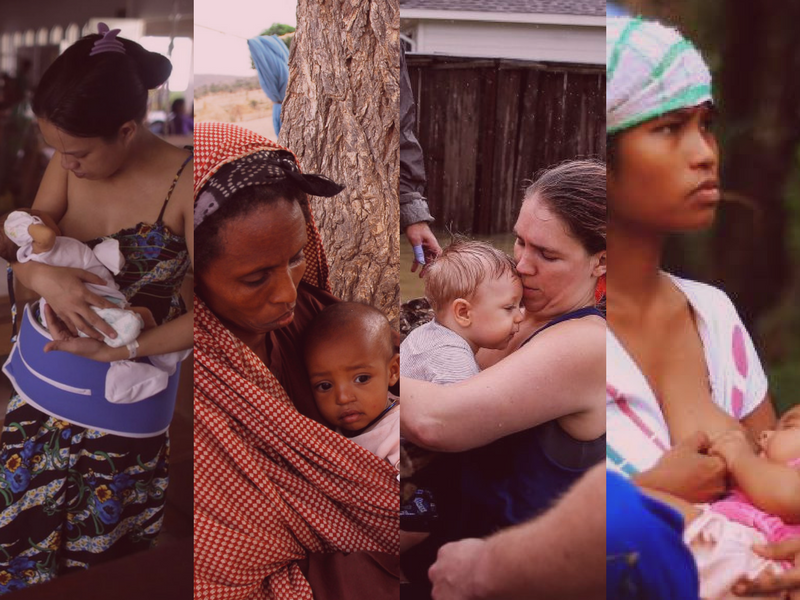
5 Things You Need to Know About Breastfeeding in Emergencies

Civil unrest and war, natural disasters and epidemics can force families from their homes, limit access to affordable, nutritious foods and clean water, and cause disruptions to basic services—like electricity and health care.

Breastfeeding is no easy feat—and when combined with the additional challenges that families face during emergencies, it can seem nearly impossible.

These recommendations are based on the recently published “Breastfeeding in Emergency Situations” Advocacy Brief, and for more resources please check out the Global Breastfeeding Collective, which is led by UNICEF and WHO.

Here are 5 things you need to know about breastfeeding in emergencies:

  1. Breastfeeding is the safest, most nutritious and reliable food source for infants under the age of six months.
    Breastmilk is always the right temperature, requires no preparation and is readily available even in settings with limited access to clean water and adequate hygiene.
  2. Breastfeeding decreases the risk of infection and disease, which is vital to survival in emergency settings.
    Breastmilk contains antibodies and other components that protect children against deadly infections. In emergencies, when there may be limited or no access to clean water and hygienic conditions, breastfeeding can drastically reduce the risk of diarrhea and other deadly diseases.
  3. Breastfeeding mothers need (even more!) support during emergencies.
    With adequate support almost all mothers can breastfeed, even in emergency situations. Support for mothers includes privacy and space, psychological counseling and assistance with attachment and positioning. Emergencies are stressful and may cause trauma for mothers, which leads to a need for even more support. For some mothers, breastfeeding can even help reduce stress.
  4. When breastfeeding is not possible, immediate support is necessary to explore feeding options and protect the health of vulnerable infants.
    The use of infant formula or powdered milk can pose significant health risks to babies in emergency situations where there may be limited or no access to clean water and hygienic conditions. They should only be provided when all other options have been explored. Non-breastfeeding mothers should receive immediate support from professionals to assist with safe feeding options, such as hand expression or cup feeding. Infant formula and powdered milk should not be donated but rather purchased as needed and administered carefully by professionals to minimize risk.
  5. Preparedness is key to ensure babies everywhere have the best opportunity to survive and thrive. Strengthening systems and capacities for breastfeeding support is a crucial form of emergency preparedness. Putting policies, programs and actions in place will provide support for mothers to breastfeed even when they are affected by an emergency.

In 2016 alone, at least 535 million children lived in countries affected by emergencies.

Emergencies pose a significant threat, causing child mortality rates to increase up to 70 times higher than average. Emergencies can happen anywhere, at any time—putting the world’s youngest children in an extremely vulnerable position.

During emergencies, the life-saving protection of breastfeeding is more important than ever. In emergency settings, breastfeeding guarantees a safe, nutritious and accessible food source for infants and young children and a protective shield against death and disease. But breastfeeding in emergencies is no small task—mothers face immense challenges, and we must provide support and put the rights, dignity and well-being of mothers at the center of our focus.

Guest Post: Supporting New Mothers In The Wake Of Hurricane Maria

This fall, little did I know that my Island, Puerto Rico, would be threatened by two hurricanes. When Hurricane Irma struck, we fortunately managed to avoid a full impact and my community only went without electricity for four days, with no interruption in telecommunications. But then two weeks later, the apocalypse would come to my Island, when we were assaulted without mercy by a Category 5 Hurricane named Maria.

The aftermath of this storm provides a snapshot of a meeting point between the developed and sub-developed world. Puerto Rico, a nation Island, is also a U.S. protectorate which theoretically has access to federal assistance programs. But the aftermath of Hurricane Maria has been characterized by fuel and food scarcity, rationing of basic necessities, slow restoration of utilities with less than 50% of residential customers with electricity and 40% without water, and an increase in disease—to name a few.

Maria changed everything. And, as an International Board Certified Lactation Consultant (IBCLC) and former La Leche League leader, my dream of opening a community clinic focused on providing affordable breastfeeding support to low income families and training other lactation specialists was transformed.

Turning My Dream Into A Reality

As I looked at the utter devastation—trees and posts fallen on every street, no cell phone service, absence of foliage, roofs torn from houses, mudslides, blocked roads, a lack of clean water, all while supplies were slow to be released—I was struck by the reality that my Island did not need a clinic at this time, but instead safe infant feeding support that could travel from community to community.

That first week after Hurricane Maria struck, many formula-feeding families were desperately seeking milk and clean water for their babies. Breastmilk-feeding families were throwing their unfrozen stashes down the drain. Others were worried that their milk had dried up either from stress, being forced to spend 8+ hours away from their babies at home while standing in line for gasoline and relief, or failing to express milk when their baby couldn’t get a good latch and they didn’t know how to pump without electricity.

My eyes had previously been opened as we provided support for families affected by Hurricane Harvey, and now it was even more clear that the message about breastfeeding in emergencies needed to be broader and more inclusive of mixed-feeding and formula feeding families.

And so, Alimentación Segura Infantil (ASI) was born.

“This Way” or “Like That”

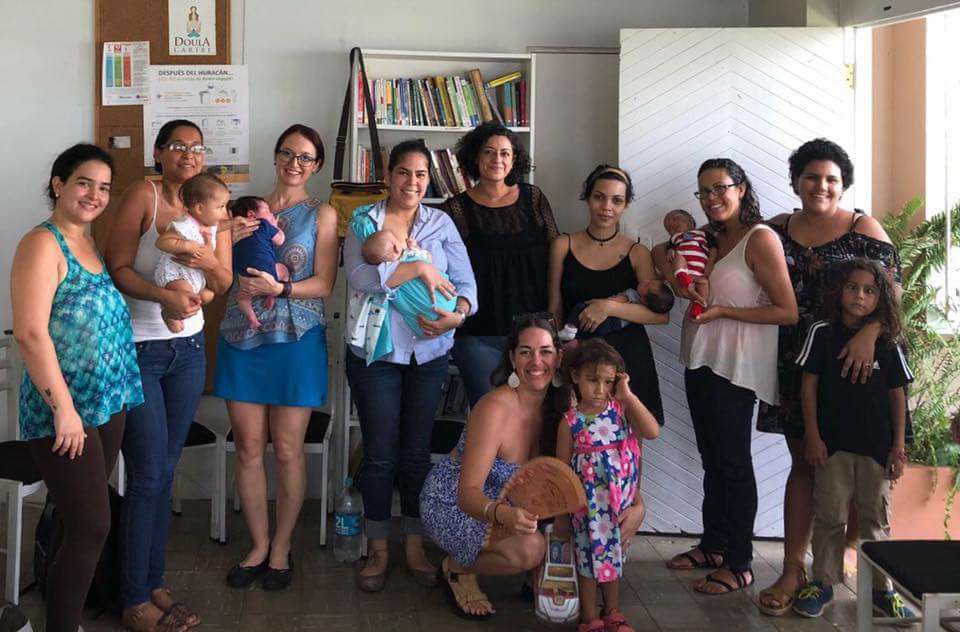
The word así in Spanish means “this way” or “like that.” At ASI, our goal is simple – to save lives with compassion. We do this by helping families safely feed their infants and young children during emergencies, and providing community-based trainings around the Island to anyone who is interested in the topic. The trainings are free of charge, provided each individual impacts 25 individuals before the 2018 hurricane season.

Right now, we are training 10 core group members—community leaders, human milk or formula feeding parents, birth and lactation workers—to become experts at infant and young child feeding. Our goal is to reach at least 25 people with this training per month.

As an IBCLC, I am also providing breastfeeding clinics in impacted communities. Although I work with any breastfeeding parent who needs support, I focus on reaching families with infants less than 10 days old, those who are feeding their babies a mix of breastmilk and formula, and those who have weaned and wish to re-lactate. During my clinics I focus on a variety of topics including issues that are specific to our new world with power outages, food scarcity, contaminated water, and lack of accessibility.

While we are fledgling and in our first 1,000 days ourselves, we work hard to make this movement grow.

But most importantly, I want everyone who’s reading this to remember that what we are currently experiencing in Puerto Rico is occurring in other communities around the world and could someday happen in your own.

Así somos. That’s how we are.

Lourdes Santaballa is an IBCLC, Infant and Young Child Feeding Specialist, and is completing a Master’s Degree in Clinical Integrative Nutrition. A former La Leche League leader, she is a single parent to two school aged children, and lives in Dorado, Puerto Rico where she co-parents cooperatively with her ex-spouse. She serves as the chair of the Lactation Equity Action Committee, committed to equity in the lactation fields at the international level. A community activist, she believes strongly that babies will thrive if disparities are eliminated, communities are listened to, and community-based leaders are given the tools to become certified educators, counselors and consultants. She has more than 20 years of experience in community organizing, activism, and nonprofit management. Following Hurricane Maria, Lourdes founded ASI Alimentación Segura Infantil and is committed to overcoming oppression and transforming communities.

To donate to ASI Alimentación Segura Infantil, click here.
Coming Soon: First-Ever Dietary Guidelines for Pregnant Women & Young Children

The U.S. Department of Agriculture (USDA) recently invited 1,000 Days and several other stakeholders to share comments related to the development of the 2020 Dietary Guidelines for Americans (DGAs) which will – for the first time ever – include recommendations for pregnant women and children under age two. The public comments, which will be made public on USDA’s website within a month, were an important step forward as USDA stated its intent to make the 2020 DGAs process transparent, data driven and science-based.

Why do the new DGAs matter and what is at stake?

1,000 Days’ analysis of the state of early nutrition in the U.S. shows that far too many young children and their families are not getting the nutrition they need to thrive. One in 5 babies in the U.S. is never breastfed and 1 in 4 children ages 1 to 2 do not receive the recommended dietary allowance for iron—one of the most important brain-building nutrients. Further, over half of toddlers and preschoolers have one or more sugar-sweetened beverages per day, contributing to our nation’s high rates of childhood obesity.

It is within this context that the Dietary Guidelines for Americans are more critical now than ever, as they will, for the first time, include recommendations for pregnant women and very young children. The 2020 DGAs and the recommendations for pregnant women and young children will inform federal nutrition programs that reach young children and their families, as well as serve as an important reference point for physicians, nutrition counselors, and early childcare providers among others. Moreover, the new guidance will also provide parents and caregivers with the evidence-based information they need to give their children the best chance to lead healthy, prosperous lives that are free of preventable chronic disease.

How can groups get involved?

At 1,000 Days we are closely following the development of the 2020 DGAs, and will continue to communicate opportunities to become engaged in the process as they emerge.

In the meantime, here are some ways to get involved:

  • Read the recent reports by the Health and Medicine Division of the National Academies of Science, Medicine and Engineering (HMD) here and here and familiarize yourself with recommendations for the 2010 DGAs process.
  • When the call for nominations for the Dietary Guidelines Advisory Committee opens, nominate qualified experts with backgrounds related to maternal and young child health and nutrition, epigenetics, child development and breastfeeding.
  • Be on the look-out for open comment periods and submit comments in support of strong, timely, and science-based recommendations for pregnant women and young children.
  • Reach out to Cara Brumfield at Cara@thousanddays.org to connect on more opportunities to be engaged.

3 Ways Tax Reform Efforts Could Impact America’s Moms and Babies

1,000 Days supports a range of federal programs that are critical for millions of America’s moms and babies during the critical 1,000-day window, or the time from a woman’s pregnancy through her child’s second birthday.

Programs like the Special Supplemental Nutrition Program for Women, Infant and Children (WIC) and the Supplemental Nutrition Assistance Program (SNAP) are essential to ensuring that women and babies receive access to healthy food, nutrition counseling, and breastfeeding support. They are core pieces of a healthy first 1,000 days for our nation’s children.

But unfortunately, future funding for WIC, SNAP and many other federal programs that America’s families rely on is at risk.

Congress is currently considering a tax reform plan that, if passed, would:

  • Increase the federal deficit by over a trillion dollars, squeezing out future spending on federal programs that provide critical services for millions of America’s families.
  • Threaten funding for public health and key health care interventions, making it harder for women and their babies to access needed services and supports.
  • Repeal a key provision of the Affordable Care Act (ACA) that is estimated to result in steeply rising health care premiums and leave 13 million people without health insurance.

For these reasons, 1,000 Days has serious concerns with the pending tax package being debated by Congress. Reducing federal funding for critical government services and limiting access to affordable health coverage will hurt moms, children, and families.

Instead, we urge Congress to pass legislation that protects all families’ access to the health care, nutrition supports, and other key services they need to thrive today and into the future.

Milan Global Nutrition Summit and SUN Global Gathering Inspire Action

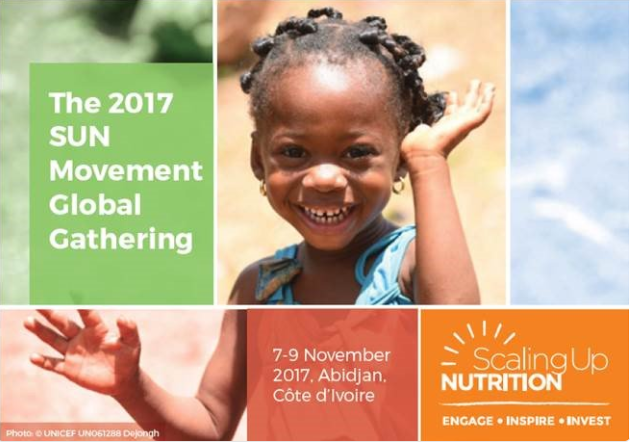
This past week, 1,000 Days traveled to Milan, Italy and Abidjan, Cote D’Ivoire to be a part of two groundbreaking events in the global nutrition movement: the Global Nutrition Summit and the Scaling Up Nutrition (SUN) Global Gathering.

Milan Global Nutrition Summit

In Milan, the Global Nutrition Summit brought forth new commitments from new funders in the philanthropic community. $3.4 billion was mobilized, with $640 million in new commitments from family foundations and the Power of Nutrition, signaling a growing interest from diverse stakeholders. New investors in nutrition add a much-needed infusion of capital that will help drive innovation and research to save and improve more lives with good nutrition.

The program included inspiring remarks from notable attendees including Kofi Annan and Graca Machel. Graca Machel reminded us that it is unacceptable to not do more to combat malnutrition. The global community has set goals for ourselves, including a set of global nutrition targets and the Sustainable Development Goals (SDGs), and we must work to achieve them. As Ms. Machel urged, these goals should be viewed as promises to future generations and “you never break a promise to a child.”

Ms. Graca Machel Urges Greater Action On Nutrition

Ms. Graca Machel urges greater action on nutrition, saying the current scale of the problem is unacceptable


Onward to Abidjan, SUN Global Gathering

In Abidjan, we were united with hundreds of people from around the world working to keep those promises and ensure that no child suffers from malnutrition. The SUN Global Gathering brought together government officials, nutrition experts, the private sector and advocates dedicated to ending malnutrition.

For the first time since the Global Gathering started in 2012, the event was held in a SUN country, Cote d’Ivoire. Strong political leadership and high-level participation, combined with the energy and enthusiasm from all participants, demonstrated that the global movement for nutrition is alive and well — and growing.

Country and Civil Society Driven

The SUN movement is a truly country-driven movement, composed of vibrant partnerships in 60 countries and three Indian states. Within this movement are the more than 2,000 organizations that comprise the SUN Civil Society Network which are integral to advocacy, awareness raising, and building political will for nutrition. They sit at the center of SUN efforts, with access to decision makers, media and constituencies. Funding for civil society is critical for the global nutrition movement to be successful and to grow, but it is nearly impossible to find sufficient resources. If we want world leaders to pay attention to nutrition, we need to ensure that nutrition civil society is thriving in every country.

There’s also much more that can be done to widen the tent for nutrition and bring together new actors in every country. As an African proverb says, “If you want to go quickly, go alone. If you want to go far, go together.” Together we can go far, but we need to continue to bring others along with us, including those working in other sectors, to have the most impact.

Mwandwe Chileshe Speaks With Former SUN Coordinator David Nabarro

1,000 Days global health corps fellow, Mwandwe Chileshe speaks with former SUN Movement Coordinator David Nabarro

Our Inspiration

As advocates working to improve nutrition for women and children, we are never alone. Our allies and colleagues around the world work alongside us for a better future. Our collective outrage that malnutrition is still responsible for nearly half of all child deaths drives us. But that outrage is just the starting point. As the Global Nutrition Summit and the SUN Global Gathering put front and center, it’s the stories of progress and change, the people working tirelessly for this cause globally, and the commitment to building a world free from malnutrition that continue to inspire a global movement.