Category: Uncategorized

Guest Post: Promoting Healthy Food to Pregnant Women in Guatemala – Access to Nutritious Foods #Marchis4Nutrition
In honor of National Nutrition Month in March, 1,000 Days is amplifying the critical role the world’s mothers play in nourishing the next generation through our annual online #Marchis4Nutrition campaign. Throughout the month, we will also be highlighting stories from our partners. Follow along and get involved on Twitter and Facebook with the hashtag #Marchis4Nutrition.

The National Alliance of Indigenous Women for Reproductive Health (ALIANMISAR) consists of more than 90 organizations and actively participates in citizen monitoring, advocacy, and policy dialogue to promote better, more culturally-appropriate health services that are accessible to the indigenous populations, especially those living in rural areas and in poverty.

Leonor García Quino is a member of ALIANMISAR in Guatemala. This is her story.

My name is Leonor García Quino, I am an indigenous woman, Kiche’ is my mother tongue, I was born in the Municipality of Zacualpa, located at 43 kilometers from the municipal capital Quiché and 206 kilometers from the capital city. At the age of 12, I began to suffer from different diseases. An elderly person of my community told me that I had a “gift” which I should exercise, otherwise, I would never be cured. This is how at this age I began to work as a midwife. I am now forty-nine and have been attending deliveries and providing accompaniment to women in their pregnancy process for 37 years.

Feeding is undoubtedly, a fundamental aspect during pregnancy, as the mother must eat for two. I reaffirmed this, in the trainings received as a member of the National Alliance of Indigenous Women for Health, Nutrition and Education (ALIANMISAR), with the support of USAID/Health and Education Policy Plus (HEP+) project.

I heard once, one of my patients saying that she had not enough resources to feed properly, so I told her about many herbs cultivated in our community, which are very nutritious. For example, the nightshade, which contains a lot of iron and helps prevent anemia; I also mentioned other herbs like, ixbut, bledo, watercress and broccoli, besides other fruits and vegetables, some of which are also produced in our community.

From that experience, I decided to promote the importance of consuming nutritious food among women. I pointed out that they do not need a lot of money, because some of this food is produced in the community and is affordable in terms of price. I also mention that this food is more nutritious and I do not recommend buying soups or sodas in the store.

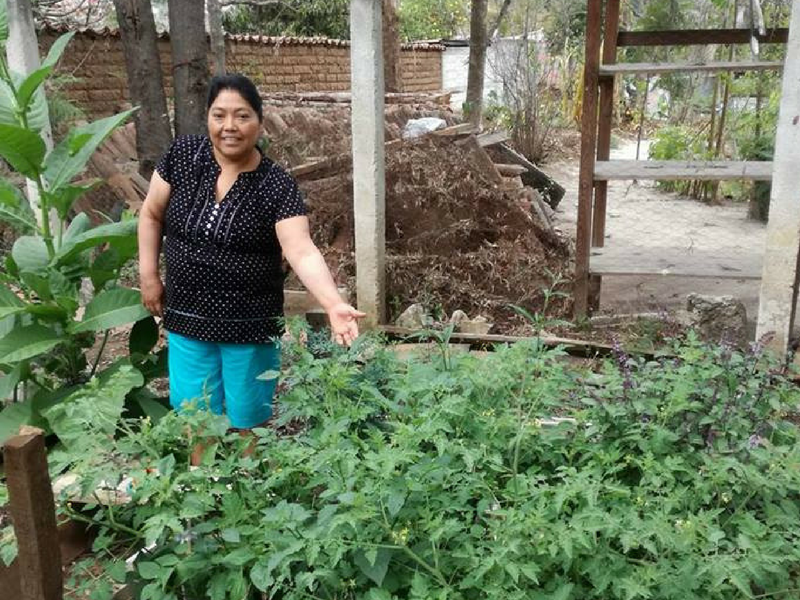
Recently at home, with the support of my husband, I planted a garden where I have different plants and nutritious herbs. When my patients come to see me, I take the opportunity to talk them about the importance and benefit of consuming nutritious food and I show them my garden. There are also many local students who visit my garden to learn more about the benefit of the herbs and plants that grow in it.

I feel very satisfied with the work I do, because thanks to the information and training I receive in the different activities that I attend, I have been able to support other people, especially pregnant women, to eat properly.
Guest Post: Improving Women’s Diets to Accelerate Progress on the SDGs – Access to Nutritious Foods #Marchis4Nutrition

In honor of National Nutrition Month in March, 1,000 Days is amplifying the critical role the world’s mothers play in nourishing the next generation through our annual online #Marchis4Nutrition campaign. Throughout the month, we will also be highlighting stories from our partners. Follow along and get involved on Twitter and Facebook with the hashtag #Marchis4Nutrition.

The Global Panel on Agriculture and Food Systems for Nutrition is an independent group of influential experts with a commitment to tackling global challenges in food and nutrition security. It works with international, multi-sector stakeholders, to help governments in low and middle-income countries develop evidence-based policies that make high-quality diets safe, affordable and accessible.

The Global Panel’s policy briefs already make the case for aligning food systems to deliver healthy diets. But why is this particularly important for girls and women? And how can good nutrition contribute to achieving the Sustainable Development Goals?

Women are particularly vulnerable to malnutrition in all its forms. On one hand, over half of young women and adolescent girls in a wide range of low and middle-income countries are not meeting their micronutrient needs. Women typically eat a lower quantity and variety of nutritious foods than their male counterparts – even though, at specific stages in the lifecycle, women require more dietary iron than men and more proteins*. On the other hand, overweight and obesity rates are rising. In Egypt, for example, overweight and obesity affect 76% of all women over 15 (vs 64% of men*); and more than 1 in 5 women are overweight in Nigeria.

The Global Panel believes that addressing poor quality diets and malnutrition, particularly for women and girls, is critical to advancing progress on the 2030 Agenda for Sustainable Development (policy brief). To take a few of the global goals:

Improving access to healthy diets for women and girls will accelerate progress on SDG 1 (related to poverty reduction) and SDG8 (economic growth). Malnutrition fuels poverty. It is those with the least social, economic and political power who are most affected by malnutrition*. Ensuring high-quality diets for vulnerable groups, including women, will deliver several benefits, for example through gains in labour productivity and future earning potential. In terms of household income, each added centimetre of adult height is associated with almost 5% increase in wage rates*. Eliminating malnutrition in Africa and Asia would allow more women to enter the workforce, and could unlock the equivalent of 11% in lost GDP each year.

Investing in women’s nutrition will also promote health and well-being for women and their children (SDG 3), as well as boosting gender equality and good education (SDGs 4 and 5). Experiencing any form of malnutrition during pregnancy can have lasting repercussions on foetal and child development. Maternal protein restriction increases the risk of high blood pressure in childhood, and of cardiovascular disease later in life*. Poor female nutrition early in life impacts learning potential and increases maternal health risks Malnourished women, as well as men, are more likely to be affected by non-communicable diseases such as heart disease, strokes, and type 2 diabetes whereas well-nourished girls experience better educational outcomes and the ability to delay early marriage and pregnancies*.To provide a fairer start to women, we must ensure they have access to nutritious and healthy diets, at all stages of life.

Three years into the UN Decade of Action on Nutrition, it is time to take concerted action to improve access to quality diets and nutrition for girls and women and to recognise the central role this plays in promoting economic and social development.

Eight Years Later, More Families Have the Health Insurance They Critically Need

Eight years ago, the Affordable Care Act became law, making it easier for moms and young children to access high-quality and affordable health insurance. Today, more American families have health insurance whether through their employer, the Health Insurance Marketplace or Medicaid, and their insurance is required to include essential health services—including many that support women and young children.

Just being a woman no longer is a reason for insurers to charge more for equal coverage. Maternity and newborn care, hospitalization and recommended preventative services are all considered essential health benefits, meaning these services must be included in all new insurance plans. And women can no longer be denied coverage for pre-existing conditions such as a previous pregnancy, C-section, diabetes, or cancer. These positive changes to our health insurance system have meant more moms, children, and families have the health security they deserve.

1,000 Days believes that every mom, child and family in America deserves a healthy first 1,000 days. We continue to support guaranteed access to high-quality, affordable health insurance that offers comprehensive benefits for pre-conception and pre-natal care, maternity services, breastfeeding and post-partum supports, pediatric care and other critical maternal, infant and young child health services. In addition, we reject all efforts that would make it more difficult for families to access comprehensive health insurance, result in increased numbers of uninsured people, or allow health plans to put needed services out of reach. Any such effort rolls back the progress we’ve made — and will result in worse health outcomes for moms and children.

Today, we say thank you to the policymakers, health care providers and plans, allies and moms across the country who work every day to protect health care for our moms and babies. We will continue working to keep improving our health care system to prioritize the needs of moms, children and families.

#Marchis4Nutrition: What if moms had access to affordable, safe and nutritious foods?

In honor of National Nutrition Month, 1,000 Days is hosting its annual #Marchis4Nutrition campaign to amplify the critical role the world’s mothers play in nourishing the next generation. All month long, we have been imagining a world in which moms have the support they need to give their children a healthy start to life. This week we’re asking:

What if moms had access to affordable, safe and nutritious foods?

Moms and their babies need access to healthy and safe foods in order to thrive. Yet, 1 in 6 young children in the United States live in food insecure households. And around the world, over 800 million people are chronically undernourished, lacking enough food to eat. Too many families worldwide simply don’t have access to affordable and nutritious food because of food scarcity or poverty.

Further, the safety of infant and toddler foods isn’t always guaranteed. Some infant and toddler foods are contaminated with bacteria like salmonella or heavy metals like lead, which can have a long-lasting impact on the health and development of young children. But the contaminates aren’t always publicly reported, thus leaving parents blindly unaware of the toxins in their foods.

Ensuring women and young children have access to safe, affordable and nutritious foods would result in healthier moms, healthier babies and better birth outcomes. Fewer babies would be born low birth weight, children’s brains and bodies would develop well, and ultimately more children would have the opportunity to reach their full potential.

 “If moms had access to affordable, safe, and nutritious foods, more children could survive and thrive.”
– Asma Lateef, Director of Bread for the World Institute

So, what will it take to ensure women and children have access to the healthy foods they need?

Proven-effective programs that reach low-income families with healthy foods and nutrition education are a critical investment in the health and well-being of babies and young children. In the U.S. the Special Supplemental Nutrition Program for Women, Infants and Children (WIC) helps improve the diets and health of over 7 million women, infants and children every month. Women participating in WIC receive vouchers for whole grains, vegetables and other healthy foods, along with nutrition counseling and breastfeeding support. The results are clear: women who participate in WIC give birth to healthier babies that are more likely to survive infancy.

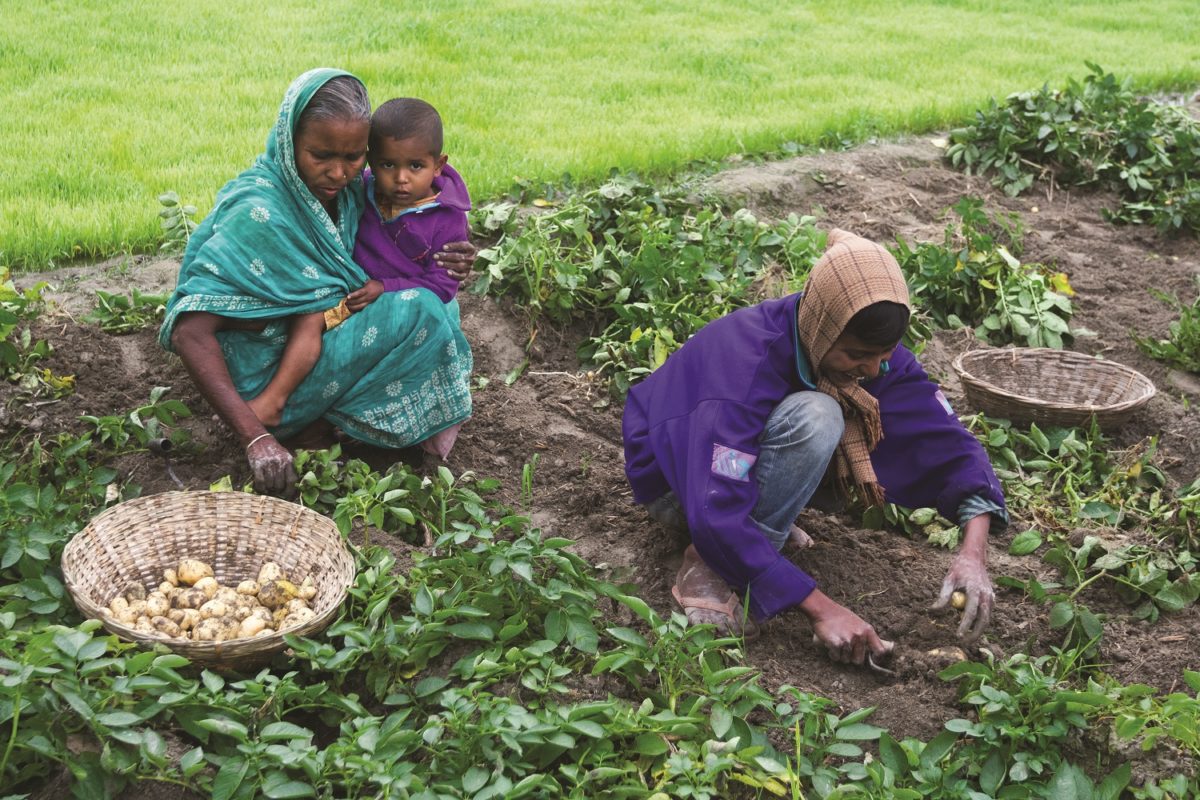
Around the world, counseling and training helps provide women with the knowledge they need to understand what foods are healthy and safe for them and their families. In Uganda, biofortification programs like those run by HarvestPlus and World Vision help rural families grow nutrient rich foods and also teach communities about the benefits. Mothers like Esther are now able to give their children a healthy start with nutritious foods like her homegrown sweet potatoes.

To ensure that infant and toddler foods are as safe as possible we must create and enforce stronger food safety regulations. Organizations like the World Health Organization, the U.S. Food and Drug Administration and Codex must continue their work on food safety.

“Parent should be focused on getting the most nutritious food for their child. They should not have to worry about contaminants such as lead, inorganic arsenic, perchlorate and phthalates in their children’s food.”
– Tom Neltner, Chemicals Policy Director for Environmental Defense Fund

ALL families need support in accessing safe, affordable and nutritious food – and that starts with empowering moms with information to make healthy choices for their families. Join the #Marchis4Nutrition conversation on Facebook and Twitter this month and tell us what you think: What does the world look like if moms and young children had access to safe, affordable and nutritious food?

Guest Post: Conquering Nutrition Myths in Myanmar – Access to Nutritious Foods #Marchis4Nutrition

In honor of National Nutrition Month in March, 1,000 Days is amplifying the critical role the world’s mothers play in nourishing the next generation through our annual online #Marchis4Nutrition campaign. Throughout the month, we will also be highlighting stories from our partners. Follow along and get involved on Twitter and Facebook with the hashtag #Marchis4Nutrition.

Save the Children believes every child deserves a future. They work in 120 countries around the world to give children a healthy start in life, the opportunity to learn and protection from harm. Save the Children does whatever it takes for children – every day and in times of crisis – transforming their lives and the future we share.

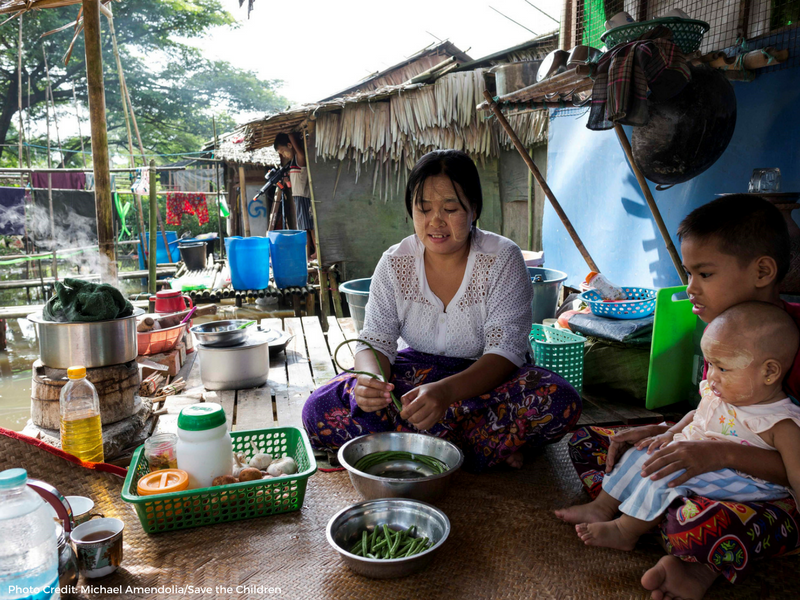
Save the Children works in many communities with mothers such as Mya Cherry to provide robust health and nutrition programs that save children’s lives and ensure they grow up healthy.

This is Mya Cherry’s story from Shwe Pyi Thar, Myanmar.

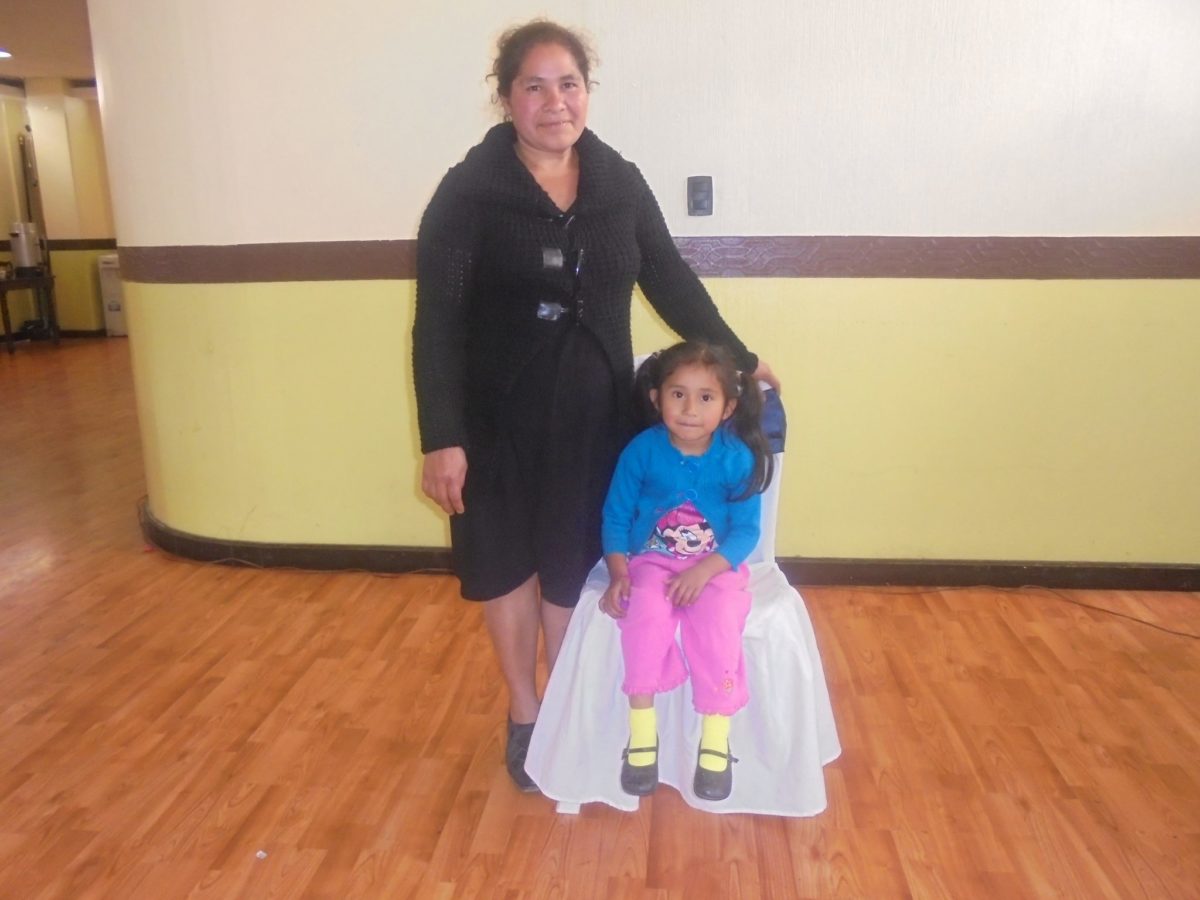
When I became pregnant with my fifth child, I received nutrition knowledge training from Save the Children. I realized how to make children physically and mentally well developed during their first 1,000 days. Save the Children also provides cash transfers for pregnant women and for women with children under 2-years. It significantly solves the financial problem of our family.

Regarding the nutrition, I have changed some old myths. In the past, my elders told me not to have green vegetables and bananas during the pregnancy as it would make the babe stronger. Actually it was wrong. Now, after receiving the nutrition knowledge training, I try to eat everything I like.

When my elder babies reached 45 days, I fed them foods whether they wanted it or not. I thought that it would make them healthy. At night, they could not sleep but vomited because of the food. They also got sick very easily. Now, I can nurture very well to my youngest baby thanks to the nutrition training from Save the Children. I fed my youngest child only after 6 months. Her appetite is also very good. Her health is also good compared to her elders. My eldest son is suffering from malnutrition. He is much shorter and smaller compared to his age. Not to be like her brother, I am taking care of my youngest daughter according to the training instruction from Save the Children. I attended the nutrition and financial education training together with my husband. He understands and supports me well.
Even though my husband and I have only primary education, we have tried our best during the training. I have received these training when I had 6-month pregnancy. I had followed the pregnancy instructions since then. I delivered my elder babies with the midwife before. With my fifth pregnancy, I had changed. I had received the proper pregnancy care from the local hospital. Therefore, I had a smooth labor with my fifth baby.

Guest Post: Fighting for the Health of Women, Children and Community in Guatemala – Access to Health Care #Marchis4Nutrition

In honor of National Nutrition Month in March, 1,000 Days is amplifying the critical role the world’s mothers play in nourishing the next generation through our annual online #Marchis4Nutrition campaign. Throughout the month, we will also be highlighting stories from our partners. Follow along and get involved on Twitter and Facebook with the hashtag #Marchis4Nutrition.

The National Alliance of Indigenous Women for Reproductive Health (ALIANMISAR) consists of more than 90 organizations and actively participates in citizen monitoring, advocacy, and policy dialogue to promote better, more culturally-appropriate health services that are accessible to the indigenous populations, especially those living in rural areas and in poverty.

Vitalina de Leon Santos is a member of ALIANMISAR in Guatemala. This is her story.

My name is Vitalina de León Santos, I am 45 years old, married to Miguel Ajxup, a construction laborer, I live in the municipality of Momostenango, department of Totonicapán, Guatemala. I am the mother of two girls and a boy. The health of my children is my priority and although my family have scarce resources, I try to give them as much care as possible following the recommendations of the health services.

In 2012, municipality residents encouraged me to join the National Alliance of Indigenous Women for Reproductive Health (ALIANMISAR), which supports the HP+ project with USAID funds, to fight for our reproductive rights. In this organization, I have been involved in the training process that helped me to become aware, first of all, of the need to value myself as a woman and of the importance of my children’s health care. Since I became pregnant with my last daughter, Astrid Mireya Yulisa Ajxup de León 5 years ago, I took everything I learned into account and during my pregnancy I attended the health center to receive prenatal care where I was provided with iron and folic acid which I consumed with full knowledge of its importance. After the birth of Astrid, I gave her exclusive breastfeeding from the first hour of birth until she was 6 months old. I fed myself with cereals and stimulating herbs so that I had enough milk and my daughter was well nourished. After the six months, I have always tried to give her a healthy and nutritious diet.  I also attended the Health Center so that my daughter had her complete immunization schedule, vitamins and deworming medications.

My daughter is 4 years old now and I am very proud because I believe that these efforts have results in her good health, since she has not been malnourished and has not become ill, despite the fact that in my community many children are suffering malnutrition (The chronic malnutrition rate in children under 5 is 52% in Momostenango Municipality, one of the highest in the country).

Now, as ALIANMISAR municipal coordinator, I participate in the meetings of the Municipal Commission for Food and Nutritional Security of Children and Adolescents, as well as the Municipal Development Council, which allows us to advocate for the approval of projects that benefit the health of our people.   This is the case of the extension of the municipal capital health center for weight and height monitoring, which was requested to the municipality in 2017 and is currently being built.

I have also become a counselor about the upbringing and feeding of children in my community, visiting mothers to share the knowledge acquired in ALIANMISAR.

The ALIANMISAR is an organization of indigenous women that ensures compliance with reproductive rights and nutrition, with cultural relevance, through advocacy, monitoring and policy dialogue to promote the formulation and implementation of public policies that contribute to reducing maternal mortality and chronic malnutrition in Guatemala.

#Marchis4Nutrition: What if moms had access to quality and comprehensive healthcare?

In honor of National Nutrition Month, 1,000 Days is running its annual #Marchis4Nutrition campaign to amplify the critical role the world’s mothers play in nourishing the next generation. During the coming weeks, we will be imagining a world in which moms have the support they need to give their children a healthy start to life. This week we’re asking:

What if moms had access to quality and comprehensive healthcare (before, during and after pregnancy)?

A world in which moms have access to quality and comprehensive healthcare is one where every child and mother survives and thrives.

Without comprehensive coverage that includes, maternity care, childbirth and pediatric services, a woman and her baby do not receive the health services they need. In turn, they are put at greater risk for serious problems including low birthweight, preterm birth, and even death.

In the U.S. and around the world, access to healthcare is vital to reduce the number of deaths related to childbirth. The United States has the worst rate of maternal deaths among wealthy countries. According to a joint ProPublica and NPR investigation, between 700-900 women in America die each year from childbirth or pregnancy related conditions. Sadly, many of these deaths could have been prevented with better care.

In low- and middle-income countries, 1 in 5 babies is born too small (with a low birth weight) resulting in 20% of newborn deaths. Again, having access to proper healthcare before, during and after pregnancy could reduce the infant death rate.

“If moms had access to affordable and quality prenatal care, more moms would survive childbirth and be free from lifelong injuries.”
David Beckmann, President of Bread for the World

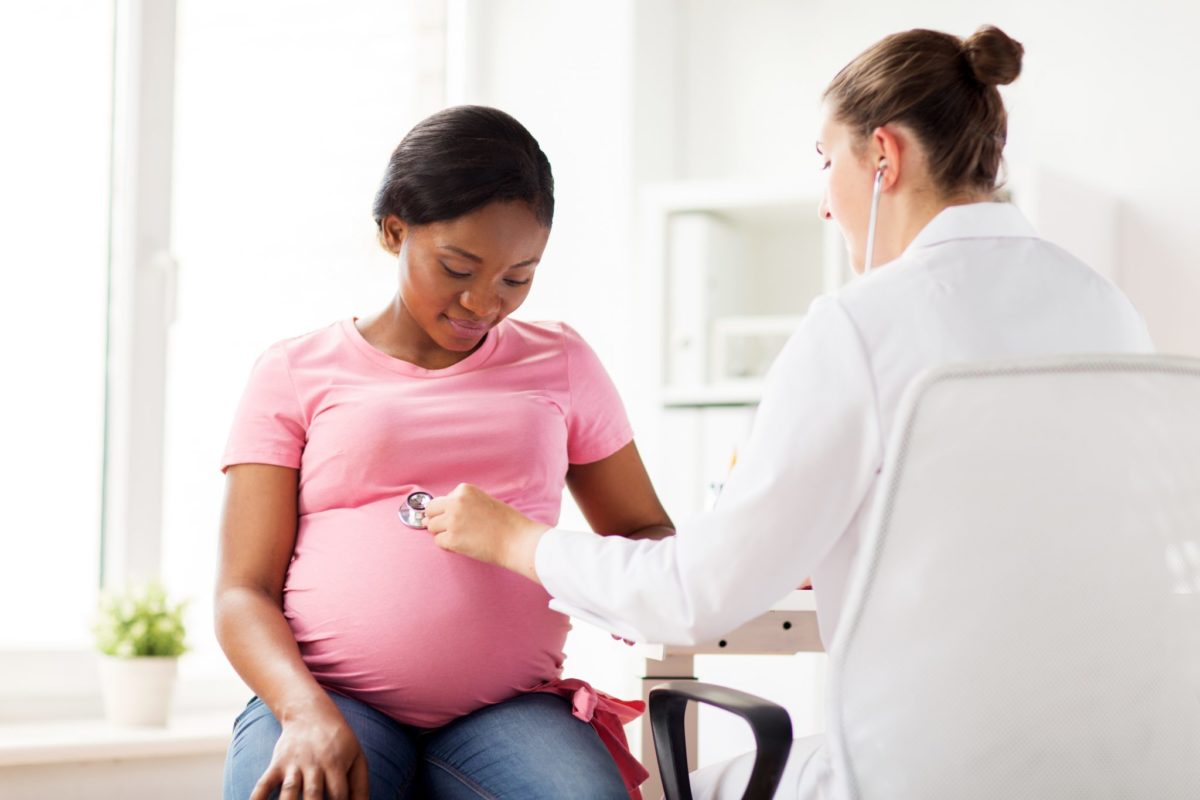
Whether they are expecting a baby or not, all women and their families need comprehensive healthcare from a hospital, healthcare provider or community health center. Once a woman becomes pregnant she also needs healthcare coverage for maternity care, breastfeeding services (including counseling and supplies), nutrition education, folic acid supplements and weight management during pregnancy, as well as health screenings for conditions such as anemia, gestational diabetes and post-partum depression.

“Since I became pregnant with my last daughter… I took everything I learned into account and during my pregnancy I attended the health center to receive prenatal care where I was provided with iron and folic acid which I consumed with full knowledge of its importance,”
Vitalina de Leon Santos, ALIANMISAR in Guatemala, read her full story here.

We also need to invest in ensuring healthcare is high-quality and meeting the needs of a community. More trained healthcare workers and better facilities save lives. This requires national policies and guidelines and strong leadership at country-level to prioritize the strengthening of health systems. This also requires healthcare to be affordable. Each year, nearly 100 million people worldwide are pushed into extreme poverty because they must pay for health expenses out of their own pockets.

Moms shouldn’t have to choose between health or poverty. They shouldn’t have to choose between their own health or their child’s health. They shouldn’t have to choose between seeking health treatment or eating nutritious foods. In a world where moms have access to high-quality and comprehensive healthcare (before, during and after pregnancy), these are not choices that they would have to make.

Join the #Marchis4Nutrition conversation on Facebook and Twitter this month and tell us what you think: What does the world look like if moms have access to quality and comprehensive healthcare?

#Marchis4Nutrition: What if moms had access to quality and comprehensive healthcare?

In honor of National Nutrition Month, 1,000 Days is running its annual #Marchis4Nutrition campaign to amplify the critical role the world’s mothers play in nourishing the next generation. During the coming weeks, we will be imagining a world in which moms have the support they need to give their children a healthy start to life. This week we’re asking:

What if moms had access to quality and comprehensive healthcare (before, during and after pregnancy)?

A world in which moms have access to quality and comprehensive healthcare is one where every child and mother survives and thrives.

Without comprehensive coverage that includes, maternity care, childbirth and pediatric services, a woman and her baby do not receive the health services they need. In turn, they are put at greater risk for serious problems including low birthweight, preterm birth, and even death.

In the U.S. and around the world, access to healthcare is vital to reduce the number of deaths related to childbirth. The United States has the worst rate of maternal deaths among wealthy countries. According to a joint ProPublica and NPR investigation, between 700-900 women in America die each year from childbirth or pregnancy related conditions. Sadly, many of these deaths could have been prevented with better care.

In low- and middle-income countries, 1 in 5 babies is born too small (with a low birth weight) resulting in 20% of newborn deaths. Again, having access to proper healthcare before, during and after pregnancy could reduce the infant death rate.

“If moms had access to affordable and quality prenatal care, more moms would survive childbirth and be free from lifelong injuries.”
David Beckmann, President of Bread for the World

Whether they are expecting a baby or not, all women and their families need comprehensive healthcare from a hospital, healthcare provider or community health center. Once a woman becomes pregnant she also needs healthcare coverage for maternity care, breastfeeding services (including counseling and supplies), nutrition education, folic acid supplements and weight management during pregnancy, as well as health screenings for conditions such as anemia, gestational diabetes and post-partum depression.

“Since I became pregnant with my last daughter… I took everything I learned into account and during my pregnancy I attended the health center to receive prenatal care where I was provided with iron and folic acid which I consumed with full knowledge of its importance,”
Vitalina de Leon Santos, ALIANMISAR in Guatemala, read her full story here.

We also need to invest in ensuring healthcare is high-quality and meeting the needs of a community. More trained healthcare workers and better facilities save lives. This requires national policies and guidelines and strong leadership at country-level to prioritize the strengthening of health systems. This also requires healthcare to be affordable. Each year, nearly 100 million people worldwide are pushed into extreme poverty because they must pay for health expenses out of their own pockets.

Moms shouldn’t have to choose between health or poverty. They shouldn’t have to choose between their own health or their child’s health. They shouldn’t have to choose between seeking health treatment or eating nutritious foods. In a world where moms have access to high-quality and comprehensive healthcare (before, during and after pregnancy), these are not choices that they would have to make.

Join the #Marchis4Nutrition conversation on Facebook and Twitter this month and tell us what you think: What does the world look like if moms have access to quality and comprehensive healthcare?

Guest Post: Fighting for the Health of Women, Children and Community in Guatemala – Access to Health Care #Marchis4Nutrition

In honor of National Nutrition Month in March, 1,000 Days is amplifying the critical role the world’s mothers play in nourishing the next generation through our annual online #Marchis4Nutrition campaign. Throughout the month, we will also be highlighting stories from our partners. Follow along and get involved on Twitter and Facebook with the hashtag #Marchis4Nutrition.

The National Alliance of Indigenous Women for Reproductive Health (ALIANMISAR) consists of more than 90 organizations and actively participates in citizen monitoring, advocacy, and policy dialogue to promote better, more culturally-appropriate health services that are accessible to the indigenous populations, especially those living in rural areas and in poverty.

Vitalina de Leon Santos is a member of ALIANMISAR in Guatemala. This is her story.

My name is Vitalina de León Santos, I am 45 years old, married to Miguel Ajxup, a construction laborer, I live in the municipality of Momostenango, department of Totonicapán, Guatemala. I am the mother of two girls and a boy. The health of my children is my priority and although my family have scarce resources, I try to give them as much care as possible following the recommendations of the health services.

In 2012, municipality residents encouraged me to join the National Alliance of Indigenous Women for Reproductive Health (ALIANMISAR), which supports the HP+ project with USAID funds, to fight for our reproductive rights. In this organization, I have been involved in the training process that helped me to become aware, first of all, of the need to value myself as a woman and of the importance of my children’s health care. Since I became pregnant with my last daughter, Astrid Mireya Yulisa Ajxup de León 5 years ago, I took everything I learned into account and during my pregnancy I attended the health center to receive prenatal care where I was provided with iron and folic acid which I consumed with full knowledge of its importance. After the birth of Astrid, I gave her exclusive breastfeeding from the first hour of birth until she was 6 months old. I fed myself with cereals and stimulating herbs so that I had enough milk and my daughter was well nourished. After the six months, I have always tried to give her a healthy and nutritious diet.  I also attended the Health Center so that my daughter had her complete immunization schedule, vitamins and deworming medications.

My daughter is 4 years old now and I am very proud because I believe that these efforts have results in her good health, since she has not been malnourished and has not become ill, despite the fact that in my community many children are suffering malnutrition (The chronic malnutrition rate in children under 5 is 52% in Momostenango Municipality, one of the highest in the country).

Now, as ALIANMISAR municipal coordinator, I participate in the meetings of the Municipal Commission for Food and Nutritional Security of Children and Adolescents, as well as the Municipal Development Council, which allows us to advocate for the approval of projects that benefit the health of our people.   This is the case of the extension of the municipal capital health center for weight and height monitoring, which was requested to the municipality in 2017 and is currently being built.

I have also become a counselor about the upbringing and feeding of children in my community, visiting mothers to share the knowledge acquired in ALIANMISAR.

The ALIANMISAR is an organization of indigenous women that ensures compliance with reproductive rights and nutrition, with cultural relevance, through advocacy, monitoring and policy dialogue to promote the formulation and implementation of public policies that contribute to reducing maternal mortality and chronic malnutrition in Guatemala.

Imagining bold. Imagining better.

This International Women’s Day will see no shortage of bold women speaking out and speaking up for change. And as we know from the headlines and hashtags, there is so much that needs to change: from sexual harassment and discrimination, to harmful cultural norms like child marriage and female genital mutilation, to unjust and unequal practices that penalize working women.

But changing the world as it is requires imagining the world as it should be–a world where women have the same economic, political, and social status as men. It’s the kind of world I want to live in and that I want my two pre-school aged daughters to grow up in. But more importantly, it is a world where fewer children die of preventable causes like malnutrition and more of them get a stronger start to life.

We know this because a woman’s status affects how well she and her children fare. It affects whether she and her children have enough to eat, whether she can get the care she and her children need and whether she and her children will have a healthy future. I would argue, a woman’s status in society affects the kind of future we will all have.

Too many women—whether they work harvesting crops in rural Kenya or stocking store shelves in rural Kentucky—struggle to earn enough to feed their families. In a world where women are paid fairly for their work and have the same economic opportunities as men, there would be fewer children suffering from hunger. This is born out in the research that shows that if women farmers in Africa had the same rights to land as men and equal access to markets, training and other resources, there would be between 100 and 150 million fewer people going hungry. Studies also show that that men and women use household resources differently with women typically spending more on children’s nutrition, health care and education.

A woman who is herself healthy and empowered is better able to give her child a strong start to life. In many of the poorer parts of the world, young children who are malnourished are very often born to women or girls who themselves are malnourished. This intergenerational cycle–wherein malnourished girls become malnourished mothers who give birth to babies who are malnourished, born too small or born too soon–is hard to break without greater attention to the health, nutrition and well-being of girls and women. Breaking the cycle also requires that the pernicious practice of child marriage, which deprives girls of their potential, is ended once and for all.

A society that values women as it does men would not think twice about ensuring a woman’s health care needs are met. Pregnancy would not be something health insurers could charge women more for or could use to deny women coverage. In fact, prenatal, childbirth and post-partum services would be considered absolutely essential—because they are, and not just for women themselves. A world where women have access to comprehensive health services before, during and after the birth of a child is a better world for everybody. There would be fewer babies born prematurely or at a low birth weight—conditions which put children at a developmental and health disadvantage and cost health systems billions of dollars each year. Maternal mortality rates, which remain unacceptably high in the U.S. and in many parts of the world, would drop. With fewer women dying in childbirth and suffering from childbirth-related complications, more children would thrive. Women would have support to start out breastfeeding—a practice considered so critical that UNICEF recently highlighted it as the most important way to improve child survival.  And they would be able to get the help they need to deal with depression and other serious mental health conditions that can have a devastating effect on women and their families. Emerging research shows a strong link between depression in mothers and stunted development in young children, which in turn has a lasting impact on children’s ability to learn and rise out of poverty.

When women have the same power and status as men, caring for children becomes a shared responsibility that society values. Generous paid leave policies for by both mothers and fathers working outside the home would become the norm. With job-protected paid time off to care for their babies, women who choose to breastfeed are able to do so for longer. This means more children get the unique and powerful brain-building and immunological benefits of breastmilk and more mothers have a lower risk of developing ovarian cancer, breast cancer, heart disease and other chronic conditions. There is a preponderance of evidence showing that breastfeeding saves lives, gives women and children a healthier future, and saves countries billions of dollars in health care costs. Yet most countries lack sufficient paid parental leave, policies to protect breastfeeding, and investments in healthcare systems support for nursing mothers, and thus fail to value and support women’s decision to breastfeed.

There is no question in my mind that a world where women enjoy the same rights and status as men would be a healthier and more just world. With fresh urgency and new-found fierceness, the global movement for women’s rights and equality can reshape the world as we know it into a place where every child—regardless of whether they are born a boy or a girl—has an equal chance of reaching their full potential.