Feeding & Nutrition Tips: Your 2-Year-Old
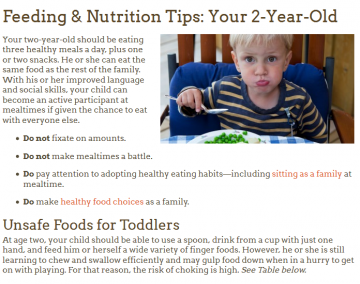
Tips on toddler diets including unsafe foods for toddlers, healthly eating basics and picky eaters and supplementation for some children.
Tips on toddler diets including unsafe foods for toddlers, healthly eating basics and picky eaters and supplementation for some children.
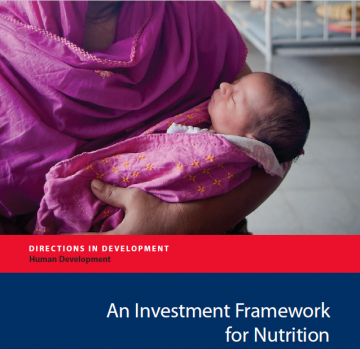
In 2012—in an effort to rally the international community around improving nutrition—the 176 members of the World Health Assembly endorsed the first-ever global nutrition targets, focusing on six areas: stunting, anemia, low birthweight, childhood overweight, breastfeeding, and wasting. These targets aim to boost investments in cost-effective interventions, spearhead better implementation practices, and catalyze progress toward decreasing malnutrition.
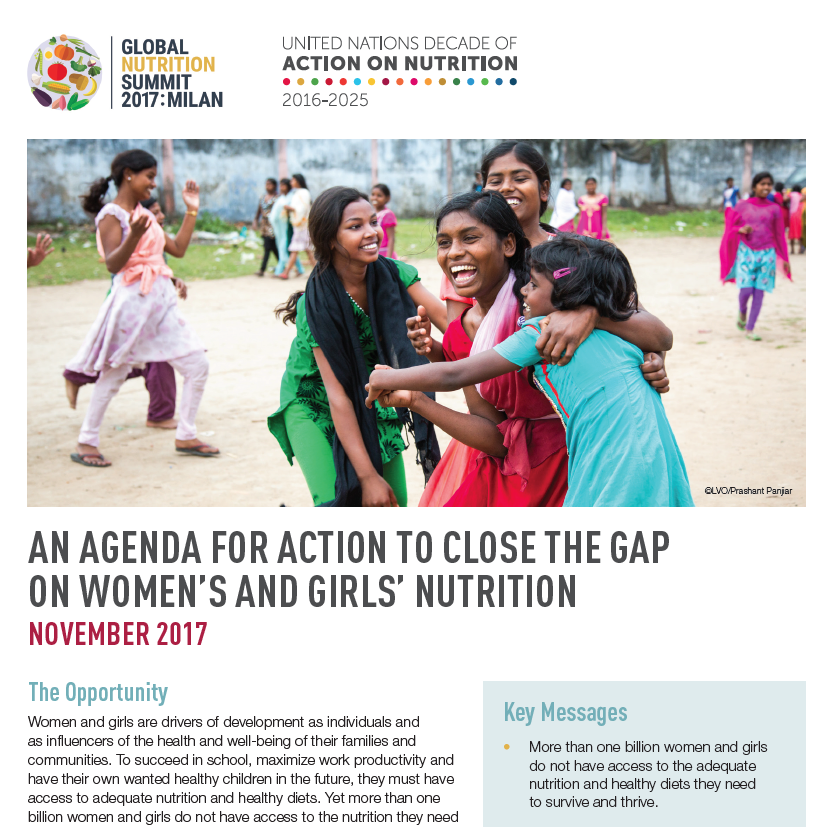
This action agenda aims to increase attention to and investment in action for women’s and girls’ nutrition by empowering women and girls to take control over their nutrition and overall health. Women and girls represent a substantial portion of the malnutrition burden; focused attention will drive strategic and rapid progress towards the agreed World Health Assembly nutrition targets, SDG 2.2 (ending all forms of malnutrition), and other global goals linked to women’s and girls’ nutrition.
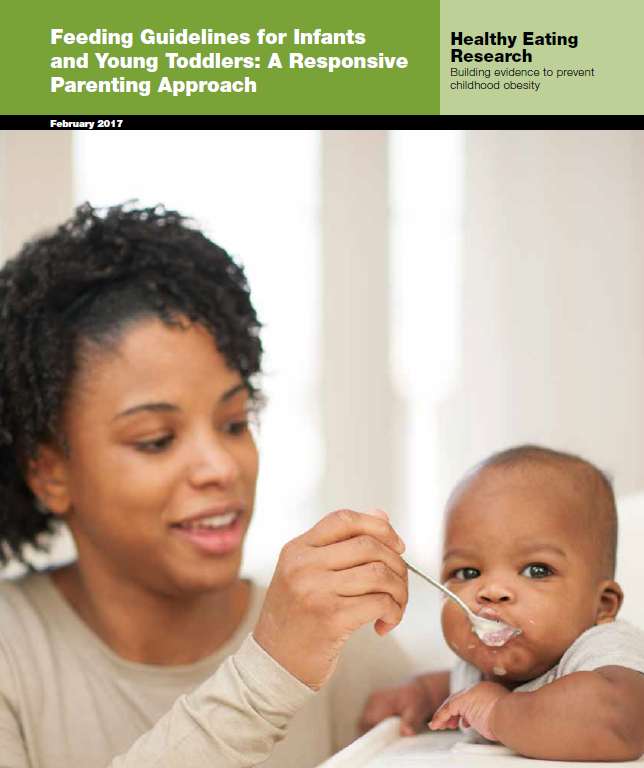
Early life diet and feeding behaviors play an important role in establishing healthy food preferences and behaviors and are crucial for preventing childhood overweight and obesity. This report presents evidence-based recommendations for promoting healthy nutrition and feeding patterns for infants and toddlers from birth to 24 months, with an emphasis on dietary quality, portion sizes, and mealtime environment. Physical activity, soothing, and sleep are also discussed in the report, as they have also been shown to influence early life feeding behaviors and weight outcomes. These guidelines were developed by an expert panel convened by Healthy Eating Research, a national program of the Robert Wood Johnson Foundation. They are based on current scientific evidence related to responsive parenting practices. The aim of the guidelines is to empower caregivers to address the nutrition and well-being of infants and toddlers by offering them healthier food and beverage options in response to their behavioral cues. The guidelines can be used by parents and caregivers in the home, as well as be applied in child-care settings where many infants and toddlers are served.
Malnutrition kills millions of children every year and robs millions more of the opportunity to reach their full potential. This global crisis requires global action in order to give every child a fair start to life.
In 2012, world leaders committed to reaching six global nutrition targets by 2025. Yet, reaching these targets in the next decade will require significant investment. World leaders must act now to fulfill their promises and save millions of lives.
The World Bank, Results for Development Institute, and 1,000 Days – with support from the Bill & Melinda Gates Foundation and the Children’s Investment Fund Foundation – conducted an in-depth analysis of how much it will cost to meet four of the six global nutrition targets, and how to pay for it. Download the report to learn more.
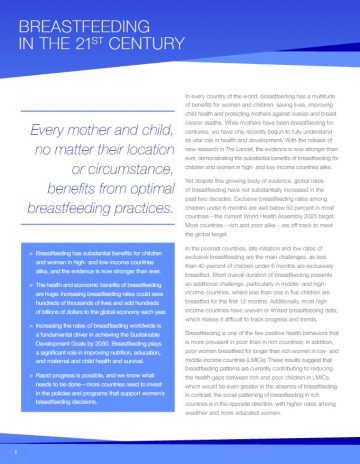
Released January 2016, The Lancet Breastfeeding Series highlights the significant economic and health benefits for both rich and poor countries alike when governments support breastfeeding through meaningful investments and programs. Based on a growing body of evidence, the Series finds the global costs of lower cognitive ability associated with not breastfeeding amount to more than $300 billion each year, a figure comparable to the entire global pharmaceutical market. Moreover, 820,000 children’s lives could be saved annually with increased breastfeeding rates, a nearly 13 percent reduction in all under-5 child deaths.
In September 2015, world leaders agreed to a historic goal: end malnutrition by 2030. In order to meet this target, governments around the globe must make nutrition a funding priority. The Call to Action to End Malnutrition—signed by more than 80 leading international organizations—urges leaders to increase investments to end malnutrition.
Translations: French, Spanish and Brazilian Portuguese.
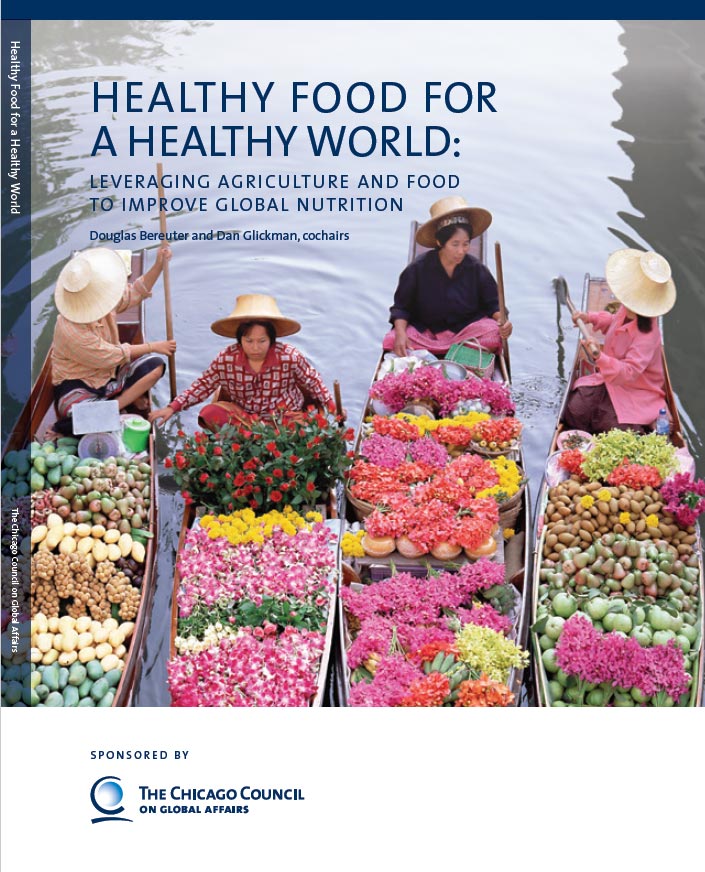
On April 16, 2015, The Chicago Council on Global Affairs released a report calling on the United States to use the power of the agriculture and food sector to reduce the reality and risks of malnutrition globally. Malnutrition – from undernourishment to obesity – is a global challenge affecting every country on earth. Given that nutrition is driven largely by the food people eat, making nutrition a priority in developing our global food system could give billions more people access to the healthy foods they need to thrive. In light of these challenges and opportunities, the Chicago Councils report “Healthy Food for a Healthy World” recommends that:
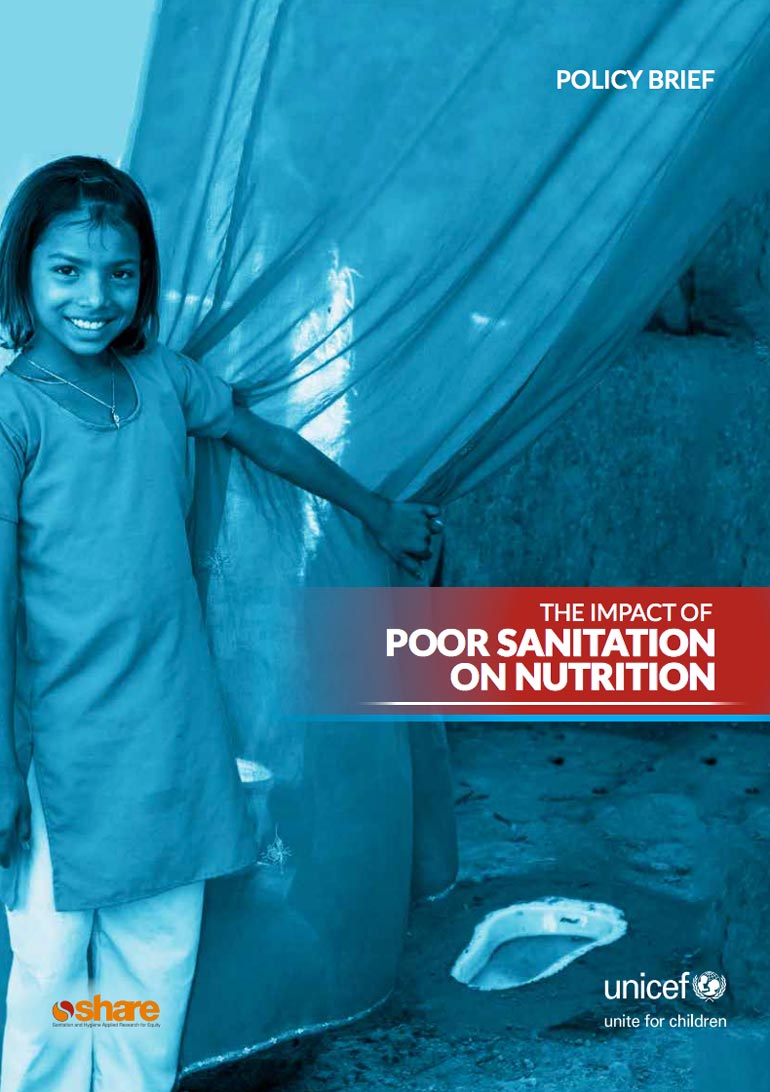
The intersection between nutrition and WASH (water, sanitation and hygiene) continues to garner attention, however much work remains to be done. SHARE and UNICEF recently released a policy brief that summarizes the evidence the evidence for the impact of poor sanitation on nutritional outcomes and highlights the potential offered by greater integration of WASH within nutrition policy and programs. Key recommendations include:
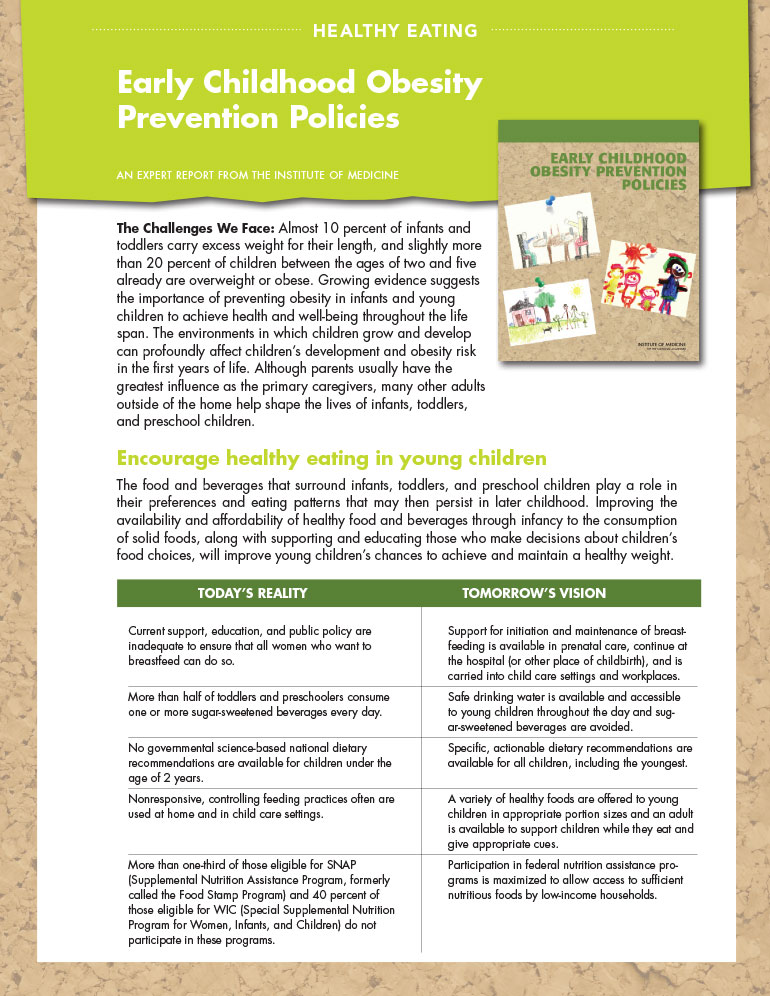
Even the youngest children in the United States are at risk of becoming obese. In response, the Institute of Medicine (IOM) reviewed factors related to overweight and obesity from birth to age five and develop this report which recommends actions that healthcare professionals, caregivers, and policymakers can take to prevent obesity in young children.