Workers in Pennsylvania Deserve Paid Leave
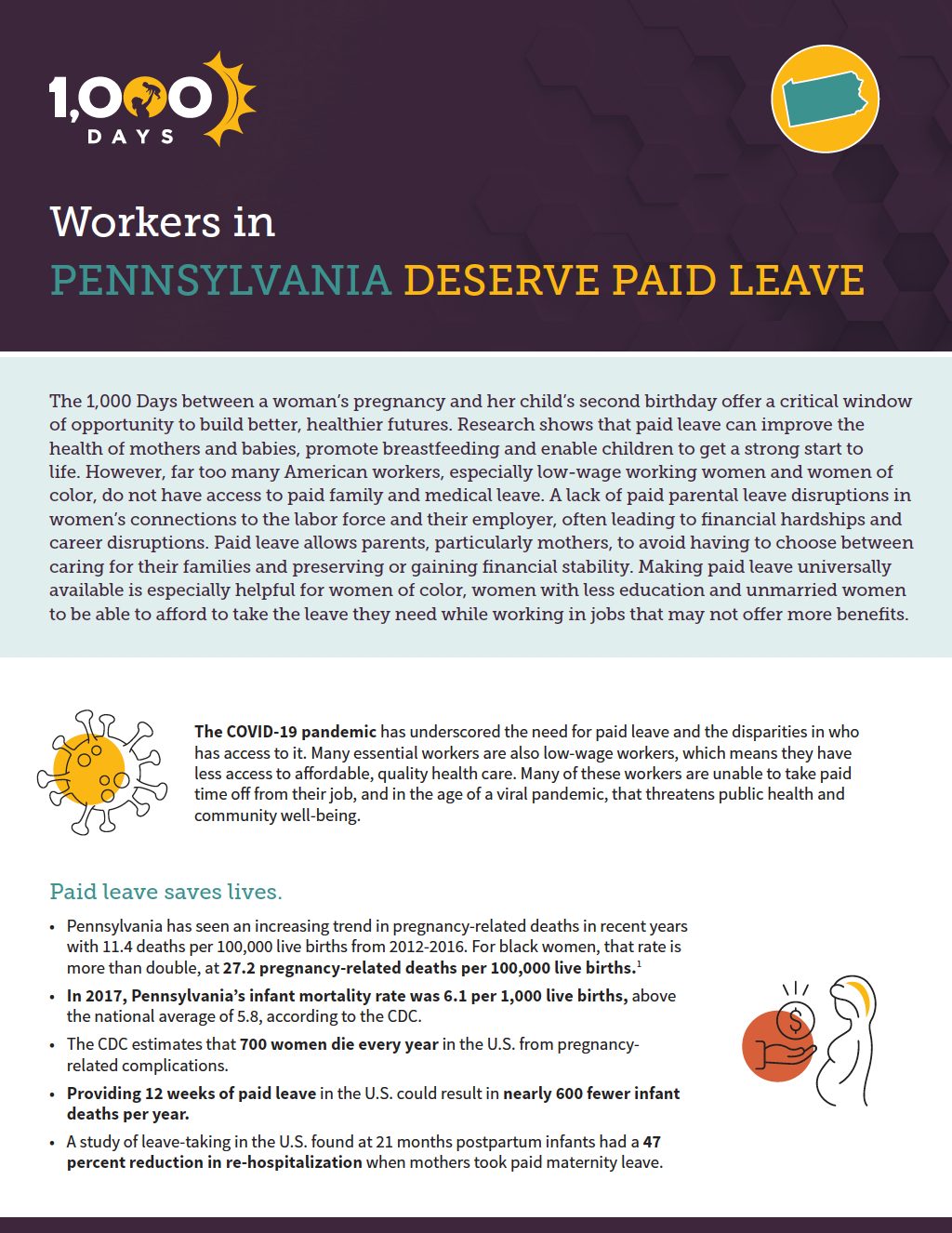
We conducted multiple, in-depth interviews with four low-income women in Pennsylvania throughout their pregnancy and postpartum period. Each of these women, who vary in age, race, marital status, educational attainment and occupation, have one key thing in common: they do not have access to paid family and medical leave.

Learn more about what makes paid leave a public health imperative.
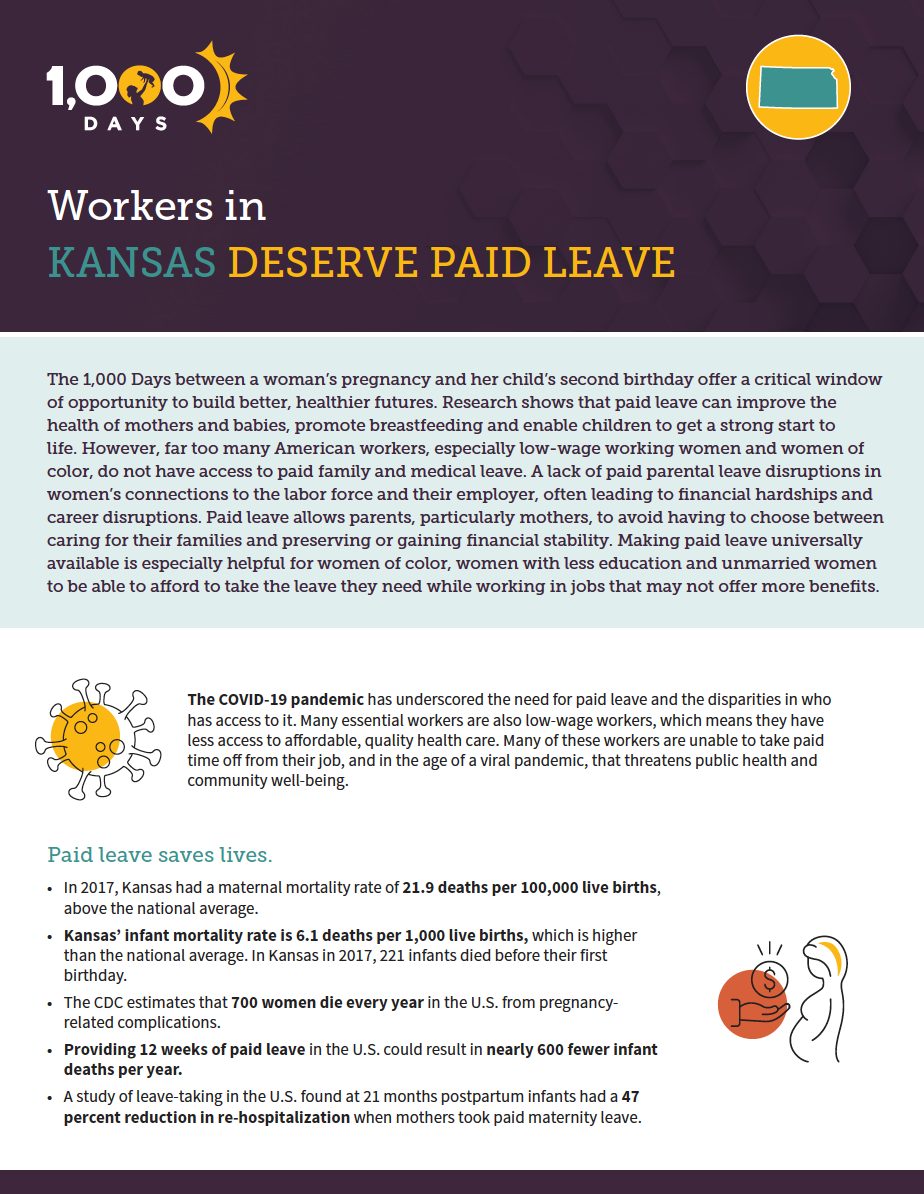
Workers in Kansas Deserve Paid Leave

We conducted multiple, in-depth interviews with four low-income women in Kansas throughout their pregnancy and postpartum period. Each of these women, who vary in age, race, marital status, educational attainment and occupation, have one key thing in common: they do not have access to paid family and medical leave.

Learn more about what makes paid leave a public health imperative.
Workers in Georgia Deserve Paid Leave

We conducted multiple, in-depth interviews with four low-income women in Georgia throughout their pregnancy and postpartum period. Each of these women, who vary in age, race, marital status, educational attainment and occupation, have one key thing in common: they do not have access to paid family and medical leave.

Learn more about what makes paid leave a public health imperative.
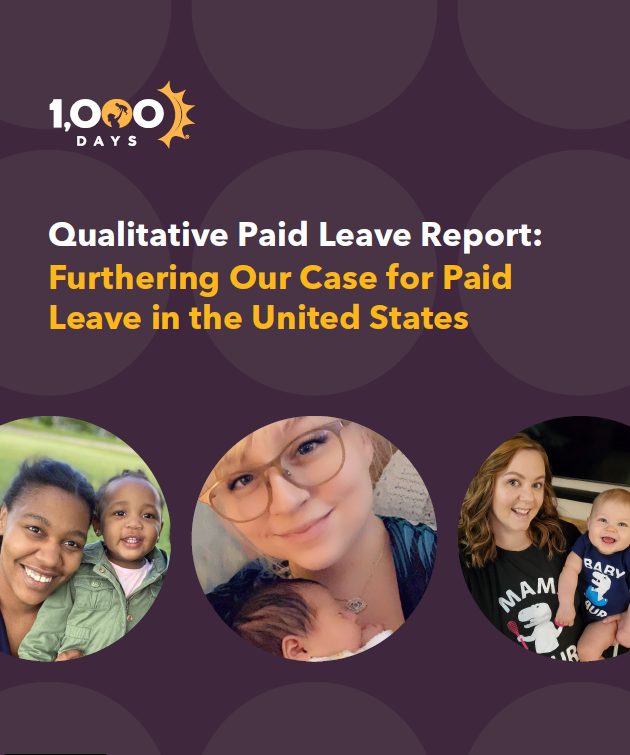
Qualitative Paid Leave Report: Furthering Our Case for Paid Leave in the United States

Our latest report, Qualitative Paid Leave Report: Furthering Our Case for Paid Leave in the United States, is based on a study we commissioned to examine how lack of paid leave affects the well-being of new mothers and their babies, particularly women working in low-wage jobs, and to amplify the experiences of low-wage working mothers in their own words. By interviewing and surveying 20 women in five states that did not require workers to have access to paid leave, we learned about how mothers navigate the experiences, demands and joys of motherhood.

For more about the report, our work with paid leave and how you can help, visit here.

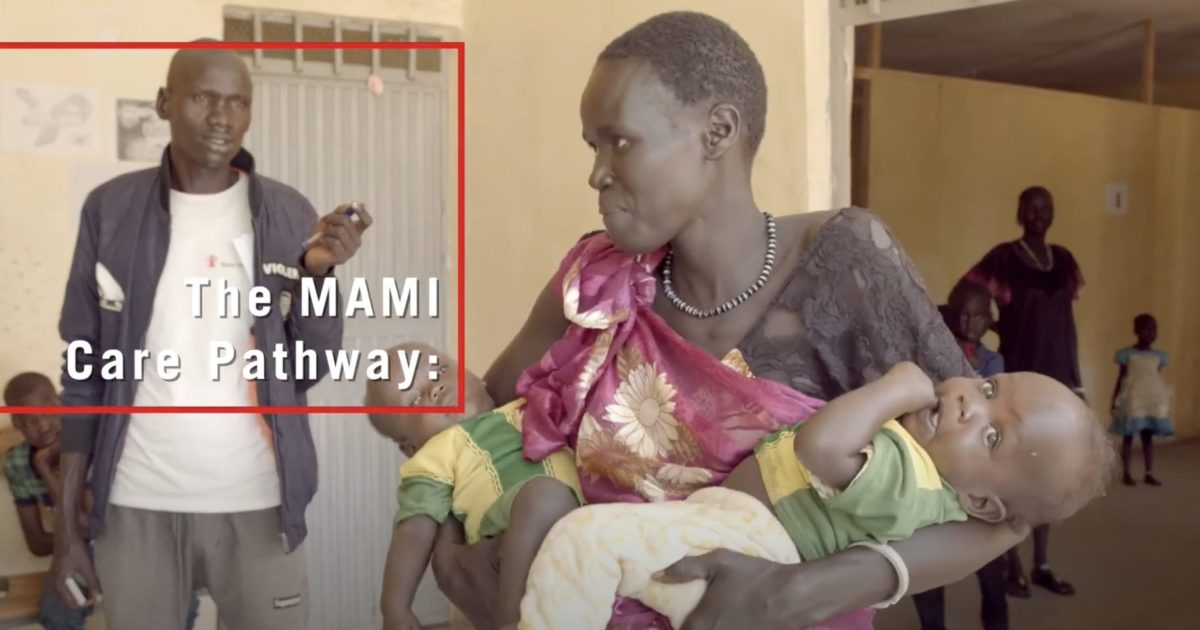
Management of At-risk Mothers and Infants under 6 months (MAMI): experiences from community programming

The vision for MAMI is that every infant under 6 months is nutritionally assessed and appropriately supported to survive and thrive, at every community and health-service contact.

In this short video Save the Children share experiences from the field of utilizing the MAMI Approach in Bangladesh and Ethiopia to save the lives of vulnerable infants who may otherwise be missed. To see the MAMI Tool for programming from Save the Children and GOAL, visit here.

MAMI can help save the lives of vulnerable infants.
But we need your help: To see them. To assess them. To provide support.
Contact: mami@savechildren.org for queries and further support.

This video was developed by Save the Children in collaboration with GOAL, with financial support from Eleanor Crook Foundation (ECF) and technical support from the MAMI Global Network.

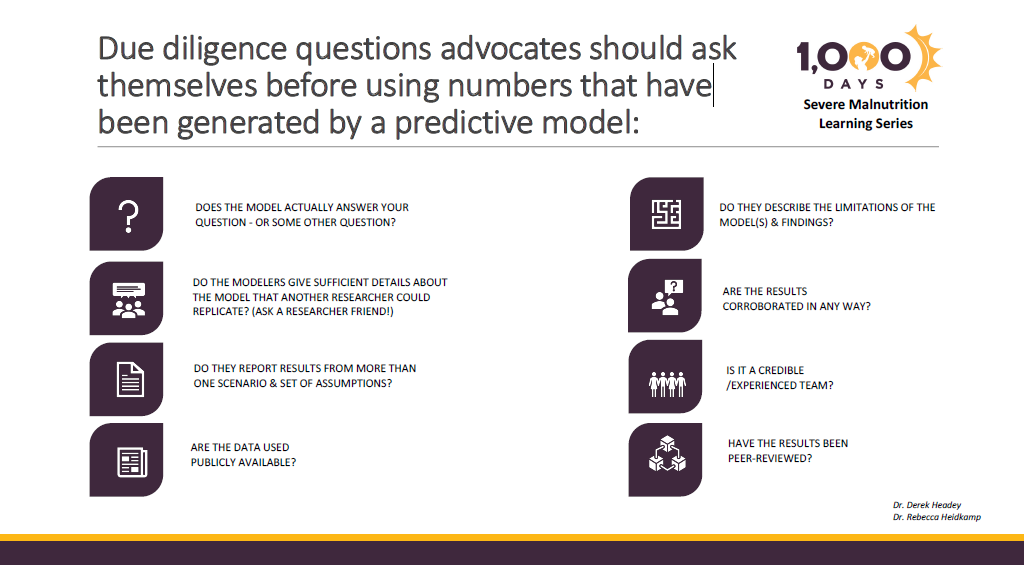
Due Diligence for Predictive Models

A list of questions advocates should ask themselves before using numbers that have been generated by a predictive model. The information came from a 1,000 Days Severe Malnutrition Learning Series webinar “Predictive Modelling for Nutrition: Using Projections to Enhance Advocacy” and was provided by speakers Dr. Derek Headey, Senior Research Fellow in the Poverty, Health and Nutrition Division at the International Food Policy Research Institute (IFPRI) – Myanmar and Dr. Rebecca Heidkamp, faculty member in the Center for Human Nutrition, Department of International Health at the Johns Hopkins University (JHU) Bloomberg School of Public Health.

Reflections on the UN Global Action Plan (GAP) on Child Wasting: How can the GAP on Child Wasting address gaps in continuity of care?

The release of Field Exchange 60 coincided with UN Agencies global initiative to determine how they could provide a more unified response to care for wasted children. In March 2020, five UN agencies (UNICEF, WFP, WHO, UNHCR, FAO) published the Global Action Plan (GAP) on Child Wasting: A Framework for Action (see box 2). In May 2020, the Field Exchange Team reviewed the Field Exchange 60 priority actions relative to the GAP Framework. This brief outlines findings to help inform next steps in the development and finalisation of the GAP on Child Wasting.

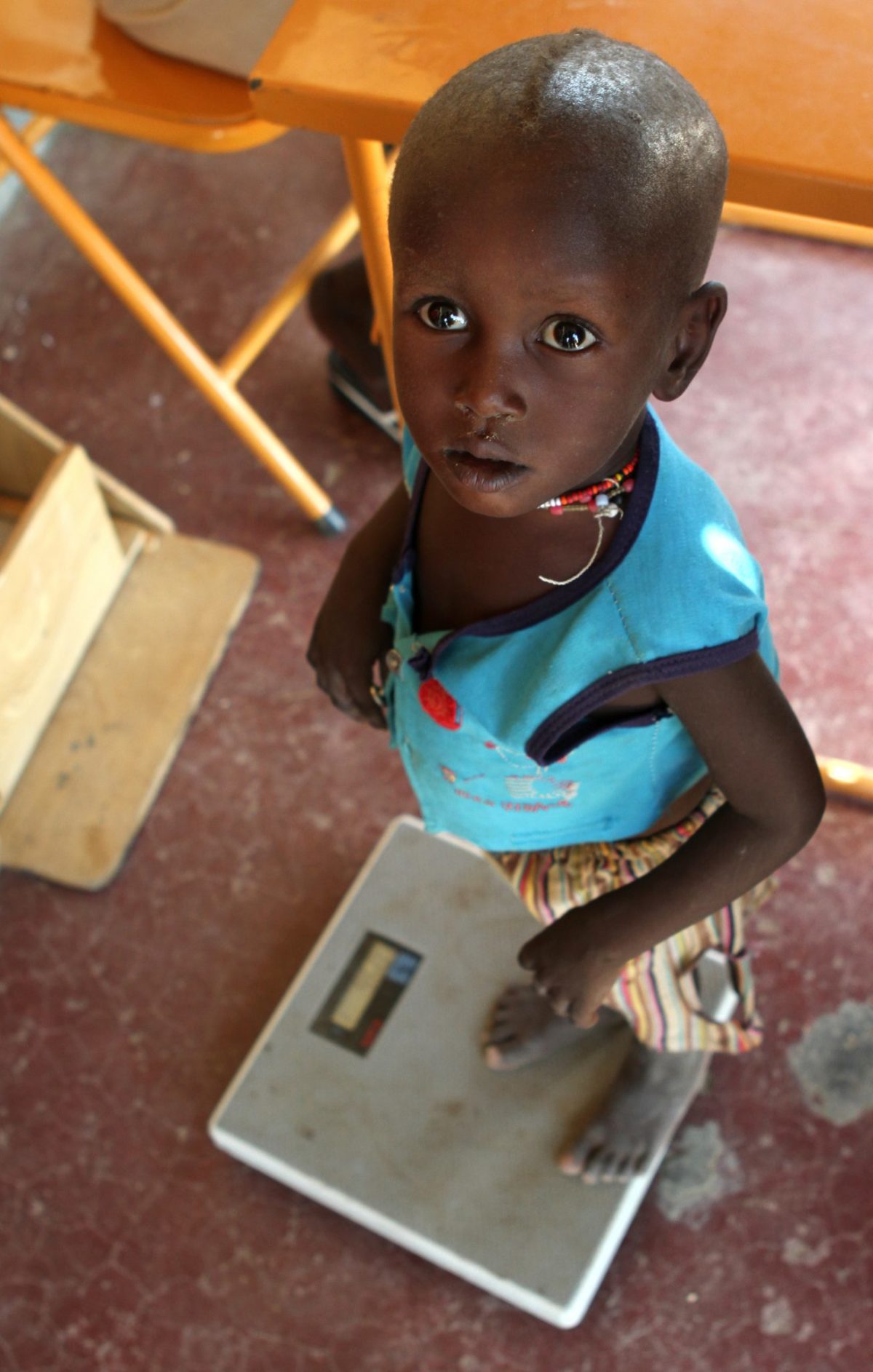
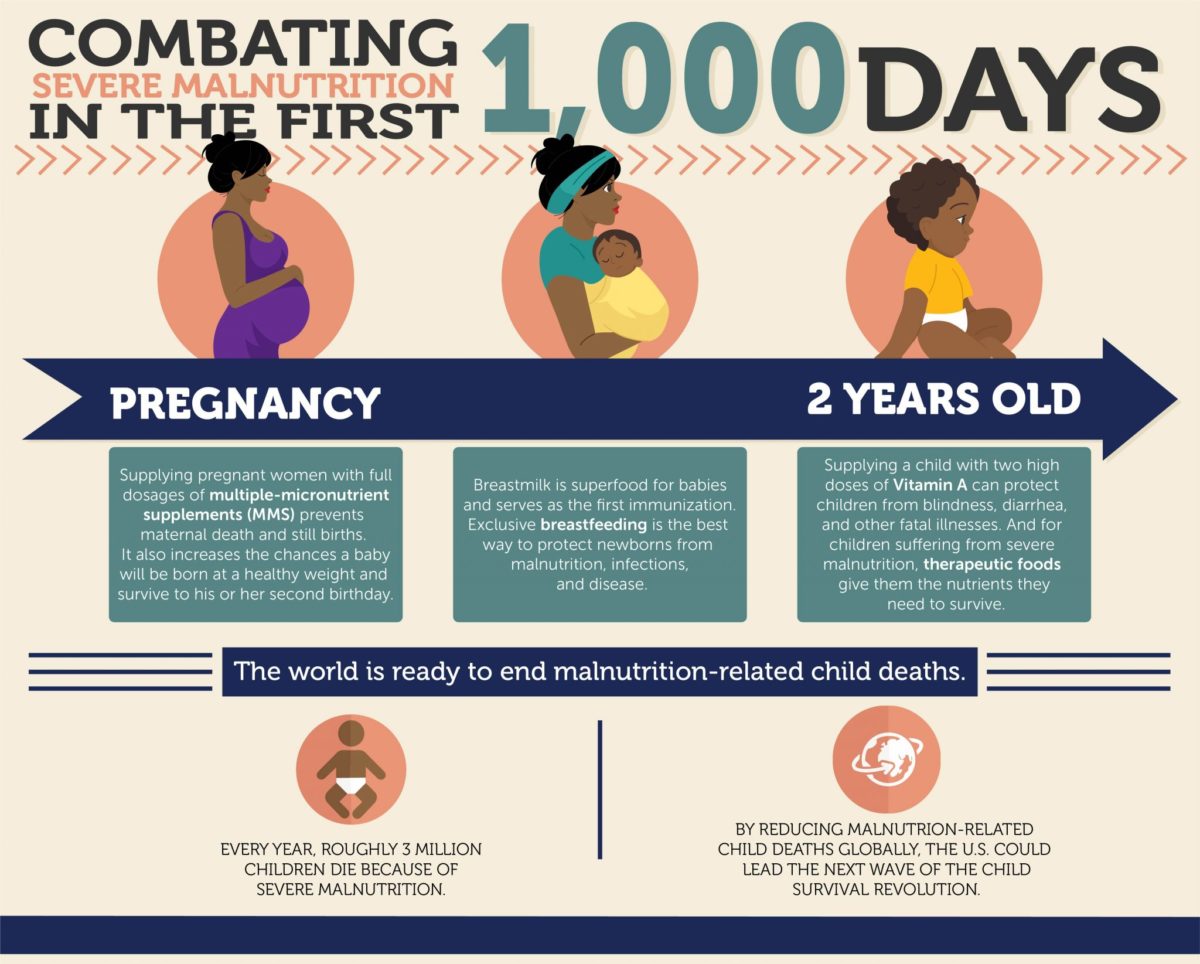
Combating Severe Malnutrition in the First 1,000 Days

This infographic shows specific nutrition interventions that span the course of the critical 1,000-day period between a woman’s pregnancy and a child’s second birthday when there is a unique window of opportunity to build healthier and more prosperous futures for mothers and their babies.

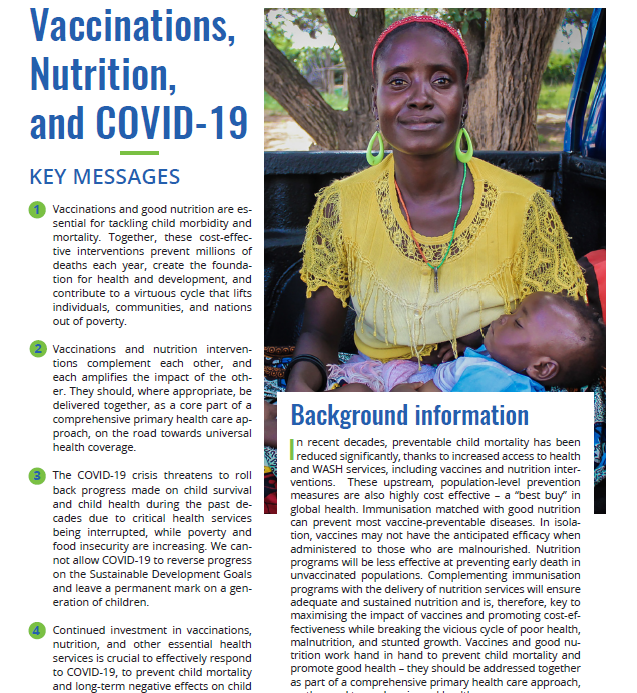
Vaccinations, Nutrition, and COVID-19

Key messages about how vaccinations, nutrition, and COVID-19 are connected. The following organizations contributed to this messaging: Scaling Up Nutrition (SUN), 1,000 Days, ACTION Global Health Advocacy Partnership, HarvestPlus/IFPRI, Save the Children Japan, Save the Children UK, Eleanor Crook Foundation, Power of Nutrition, RESULTS UK, and Nutrition International.