
15 Years of Change: Opening the Window of Opportunity for Mothers and Children
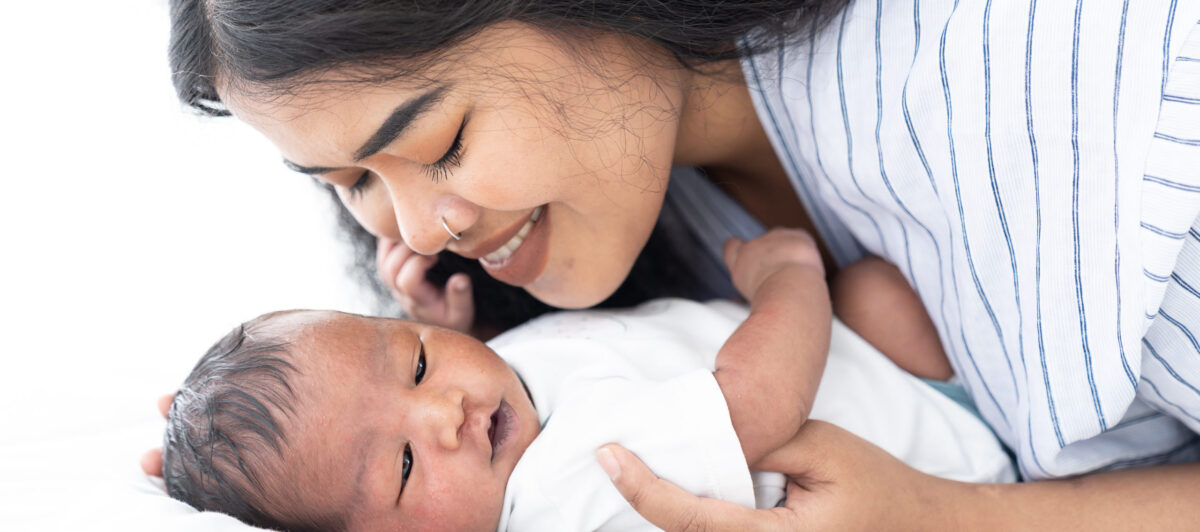
This year, 1,000 Days celebrates 15 years of advocacy, impact, and progress. We’ve spent a decade and a half protecting the first 1,000 days—a window of opportunity that shapes lifelong health and equity. Read through our timeline of key moments and big wins in nutrition advocacy and celebrate with us.
2008
- The Lancet publishes its first series on Maternal and Child Undernutrition and brings attention to the power of nutrition for maternal and infant health.
2010
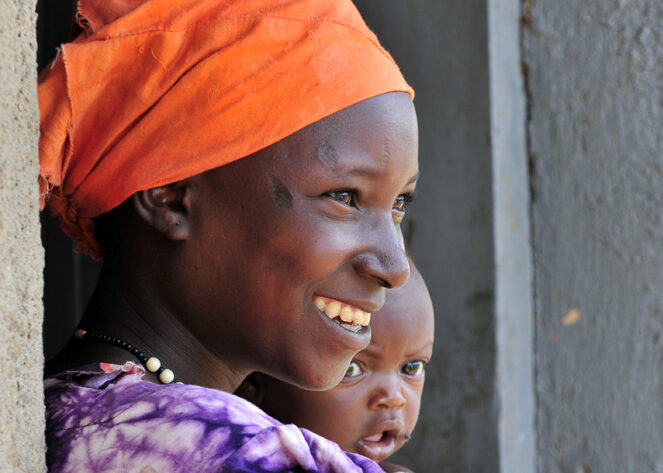
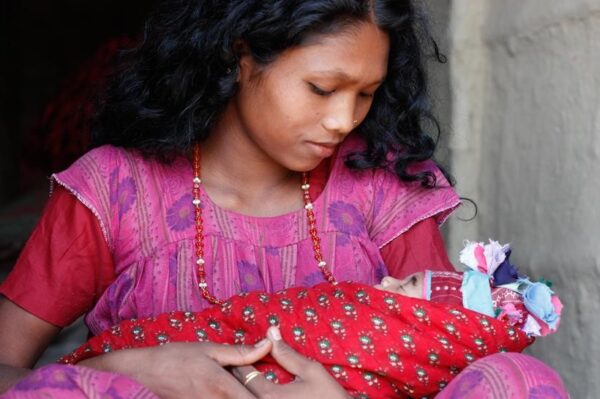
- 1,000 Days, the organization, is born.
2012
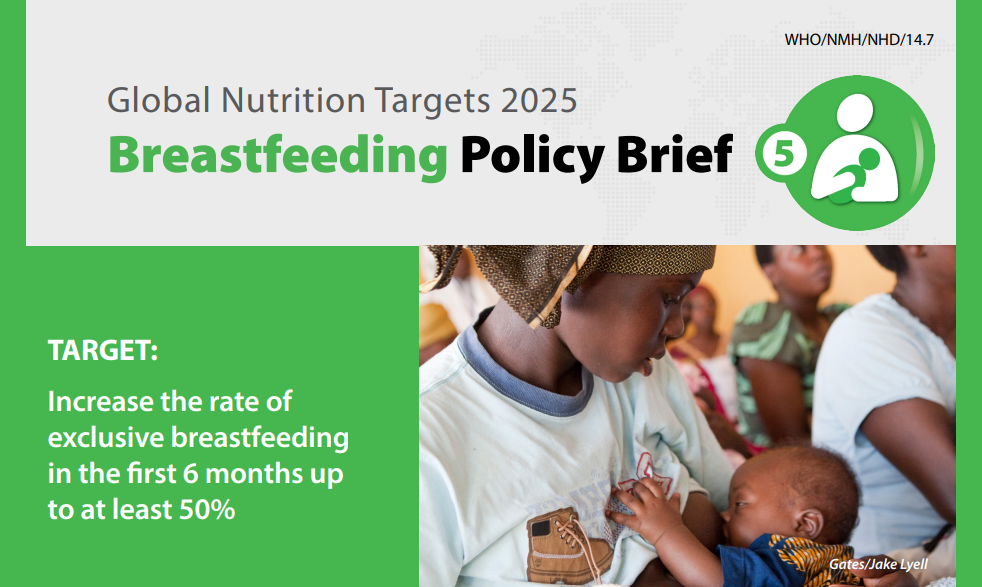
- The World Health Assembly sets six targets to accelerate global action on malnutrition. 1,000 Days goes on to partner with the World Bank to promote these targets through a series of iconic images and infographics.

2013
- The first Nutrition for Growth Summit (N4G) is held in London. 100 stakeholders endorse the Global N4G Compact and pledge more than $23 billion.
- In a landmark follow up to its 2008 publication, The Lancet releases an updated series on maternal and child nutrition, revealing that malnutrition is responsible for nearly half of all child deaths each year—3 million children under age 5—and is the single greatest threat to child survival.
- What to Expect® creator Heidi Murkoff teams up with 1,000 Days to raise awareness and advocate on behalf of women and children worldwide.
2014
- 1,000 Days launches The International Coalition for Advocacy on Nutrition (ICAN) to mobilize more and better resources and policies for nutrition while also holding N4G commitment makers, especially donor countries, accountable for their pledges.
- The Global Nutrition Report (GNR) is established to track progress against global nutrition targets and the commitments made to reach them. 1,000 Days goes on to help produce the GNR in the years to come.
2015
- 1,000 Days expands its focus to include issues that impact the nutrition and well-being of mothers, babies and toddlers in the United States.
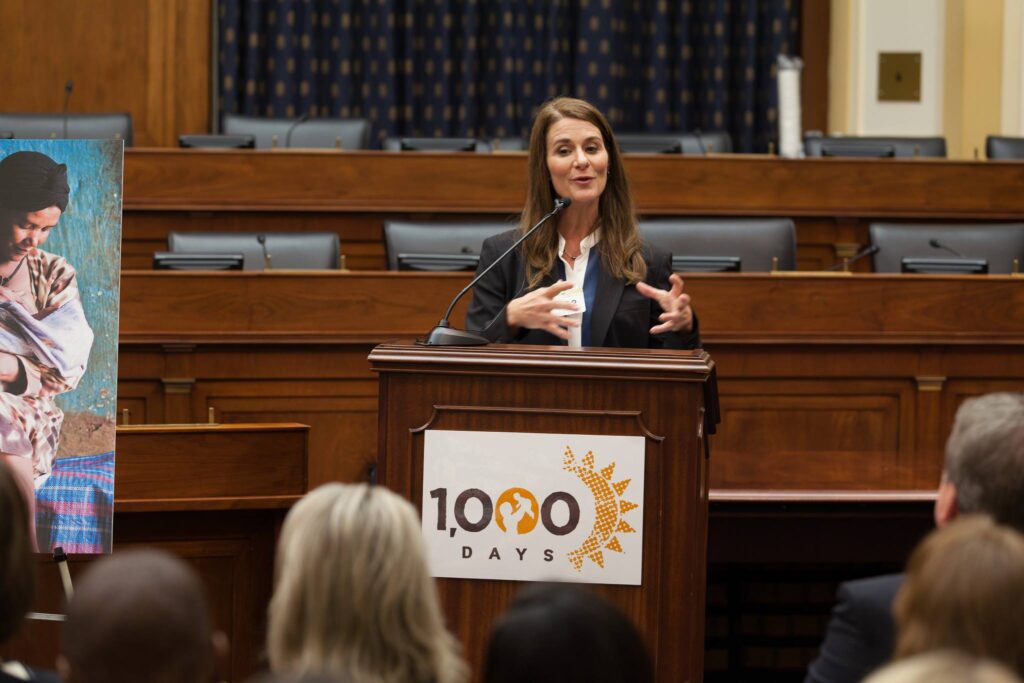
- 1,000 Days hosts nutrition leaders and advocates, including Melinda Gates, on Capitol Hill to “light the torch” for nutrition in advance of the 2016 Summer Olympics in Brazil.
2016
- Award-winning journalist and anti-hunger advocate Roger Thurow publishes The First 1,000 Days: A Crucial Time for Mothers and Children — And the World which highlights the personal struggles and triumphs of mothers fighting to make sure their children get the nutrition they need to thrive.
- 1,000 Days, the World Bank, and Results for Development Institute, launch the first ever Investment Framework for Nutrition which estimates financing needed to reach four of the six WHA nutrition targets.
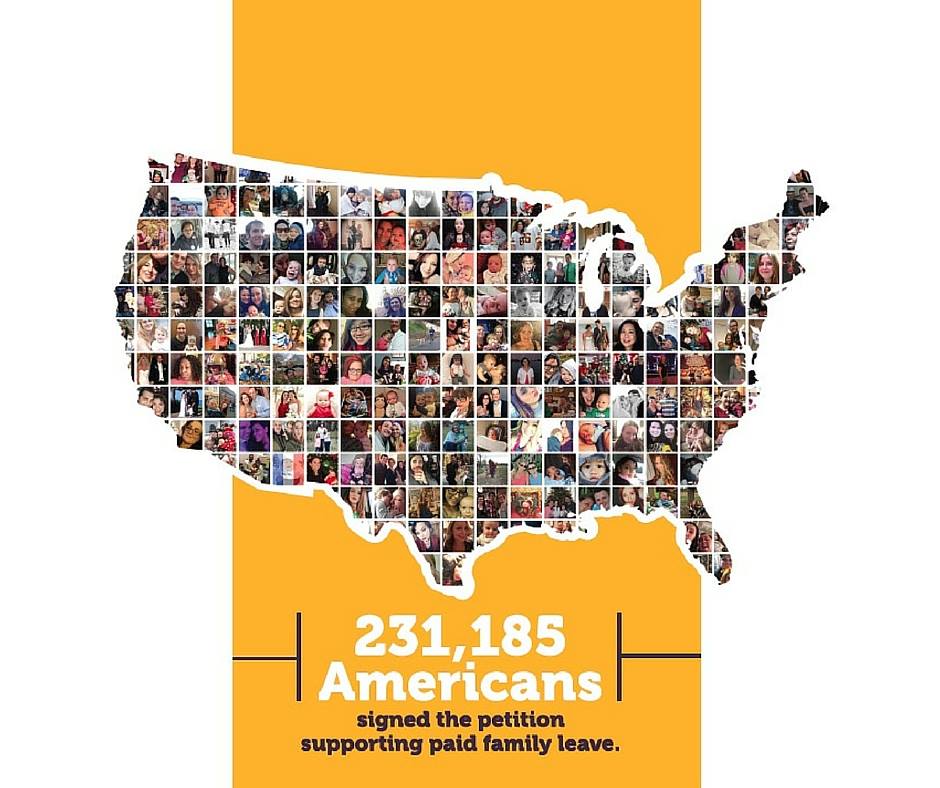
- 1,000 Days and the National Partnership for Women & Families organize a petition in support of paid leave and deliver over 230,000 signatures from all 50 states to Congress.
2017
- The 2017 Nutrition for Growth Summit in Milan continues to highlight the importance and cost-effectiveness of good nutrition to save and improve lives.
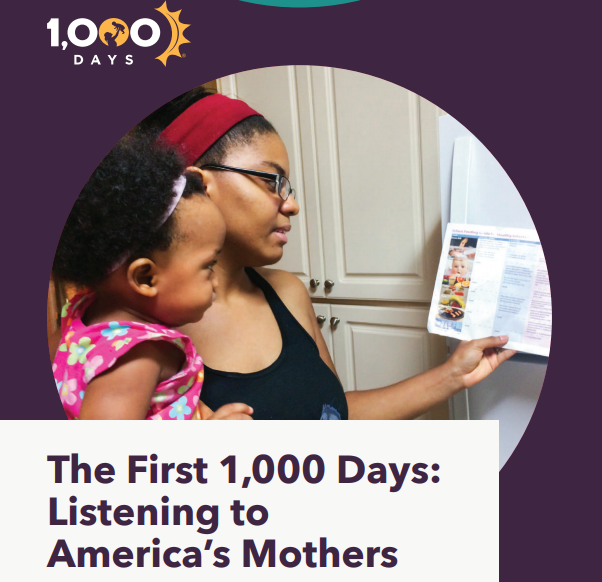
- 1,000 Days conducts in-depth interviews with nearly 60 mothers of young children and releases The First 1,000 Days: Listening to America’s Mothers to lift up the voices and stories of moms across the country.
2018
- We launch our first set of parent education videos in partnership with the CDC on infant and toddler feeding, reaching millions of parents across the country.


2019
- We publish The First 1,000 Days: The Case for Paid Leave in America report highlighting paid leave as a public health imperative.
- 1,000 Days hosts The State of Moms and Babies, a Congressional briefing on the importance of health and nutrition for mothers, babies and young children.
2020
- We join FHI 360, an international nonprofit working to improve the health and well-being of people in the United States and around the world.
- For the first time ever, the 2020-2025 Dietary Guidelines for Americans provide advice by life stage, including specific recommendations for infants, toddlers, and pregnant and lactating women in the first 1,000 days.
- 1,000 Days, Bread for the World, and The Chicago Council on Global Affairs host a virtual dialogue on the impact of COVID-19 on global malnutrition.
2021
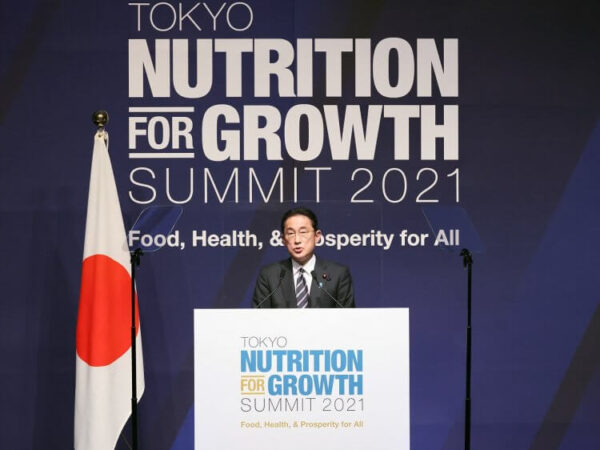
- 1,000 Days and the 1,000 Days Advocacy Working Group continue to advocate for the U.S Government to invest in global nutrition and are thrilled to see the U.S. Government commit US$11 billion to global nutrition over a 3-year period at the 2021 Nutrition for Growth Summit in Tokyo.
- Recognizing the need for a streamlined advocacy narrative on malnutrition, 1,000 Days launched the Severe Malnutrition Learning Hub and branded the Power 4 nutrition interventions.
- The Lancet publishes its most recent Series on Maternal and Child Undernutrition, underlining the ongoing importance of key nutrition investments. 1,000 Days co-hosts the series launch and creates comprehensive communications materials to disseminate the findings.
2022
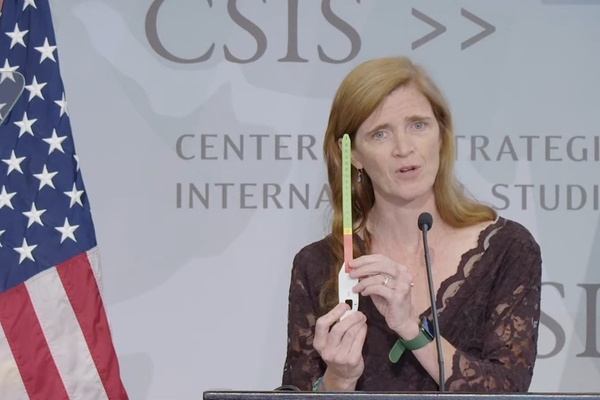
- The American government announces that the United States will provide UNICEF with an additional $200 million to procure and distribute ready-to-use therapeutic foods (RUTF). The announcement is the most significant commitment that has ever been made to treat wasted children and the largest leap in coverage on record.
- The Global Malnutrition and Prevention Act is signed into law, streamlining U.S. government efforts to scale up the prevention and treatment of global malnutrition.
- Partnering with 1,000 Days, The American Journal of Public Health releases a special supplement on Nutrition in the First 1,000 Days in the United States.

2023
- 1,000 Days surveys and interviews 224 Black pregnant and postpartum moms in the United States to better understand the perceptions and attitudes around the nutritional information they receive before, during, and after pregnancy.
2024
- 1,000 Days and FHI 360 launch Closing the Gender Nutrition Gap: An Action Agenda for Women and Girls, a global framework of concrete actions to improve women and girls rights, advance gender equality, and improve their nutrition.
- 1,000 Days co-hosts Lasting Nutrition for Moms and Babies, a congressional briefing focused on how the U.S. Government and its global partners are coming together to improve nutrition outcomes and uplift mothers and babies around the world.

2025
- Global leaders come together at the Paris Nutrition for Growth Summit to pledge action towards the challenge of malnutrition and pledge almost $28 billion in nutrition funding.
- 1,000 Days celebrates 15 years of advocacy, impact, and progress. We’ve spent a decade and a half protecting the first 1,000 days—a window of opportunity that shapes lifelong health and equity. We’re excited to see what we can accomplish next!